|
Messerschmitt Bf 109 G-5 / G-6
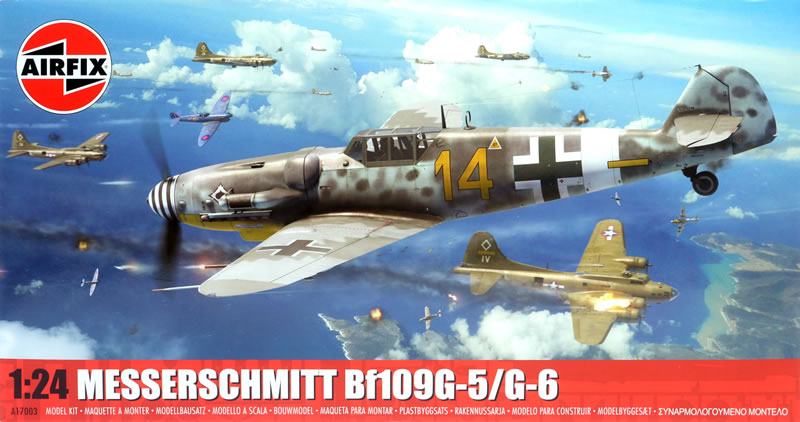
Airfix 1/24 scale
S
u m m a r y |
| Description and Catalogue Number: |
Airfix Kit No. A17003 - Messerschmitt Bf 109 G-5 / G-6 |
| Scale: |
1/24 |
| Contents and Media: |
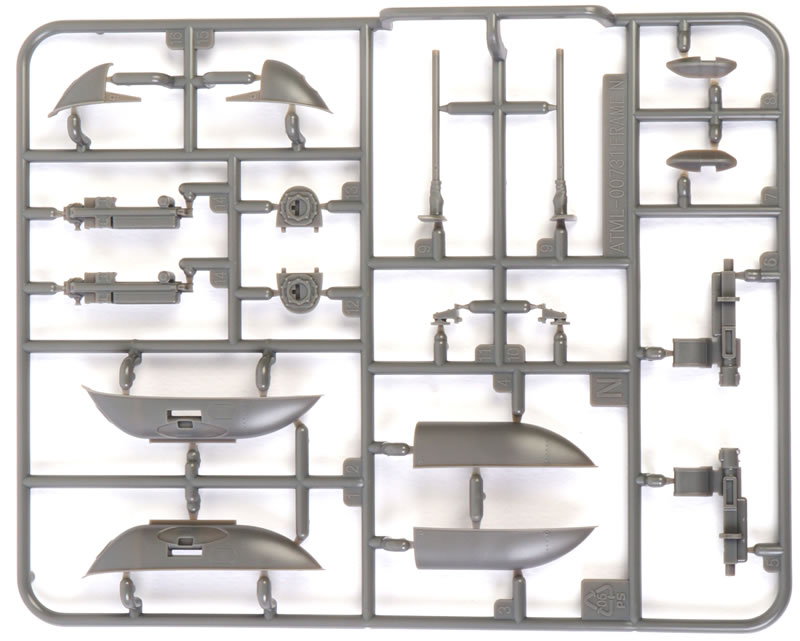
393 medium grey plastic parts, 22 clear parts, self-adhesive die-cut masks, decals for five marking options, glossy colour and markings guide and a 44 page, A4 instruction book. |
| Price: |
£99.99 EU Price (£83.32 Export Price) plus shipping available online from Hannants |
| Review Type: |
FirstLook |
| Advantages: |
Very high level of detail; high quality plastic; perfect moulding; lovely surface textures; clever parts breakdown; useful options; quality decals. |
| Disadvantages: |
Slight warpage on the trailing edge of one aileron. |
| Conclusion: |
The new Airfix 1:24 scale Messerschmitt Bf 109 G-6 is an impressive achievement—ambitious in scope, lavish in detail and cleverly engineered throughout.
The combination of fine surface textures, thoughtful parts breakdown and the level of cockpit and engine detail places this firmly amongst the best large-scale models Airfix has ever produced. Choosing your engine and cowling configuration early on is the only significant planning requirement, but the instructions guide the modeller with clarity.
Whether displayed buttoned-up as a sleek Gustav or opened to reveal its highly detailed DB 605A, this kit delivers a rewarding build and a truly imposing finished model. Airfix has not only raised the bar for their 1:24 series—they’ve set a new benchmark for large-scale WWII fighters.
Highly Recommended. |
Reviewed by Brett Green

By early 1943, the Messerschmitt Bf 109 had long been the backbone of the Jagdwaffe, but the pace of aerial tactics was accelerating. Larger Allied bomber streams, more capable escort fighters, and the growing emphasis on high-altitude interception demanded yet another round of refinements. The result was the Gustav series—a broad and sometimes bewildering family of sub-variants that would become both the most numerous and the most diverse of all Bf 109s.
The Messerschmitt Bf 109 G-5 was the first of this new generation to reach production. Externally similar to earlier Gustavs, the G-5 introduced a pressurised cockpit to improve pilot endurance during high-altitude interception missions. Retaining the DB 605A engine, which later gained MW 50 boost for short-duration power increases, the G-5 incorporated reinforced canopy framing, updated radio equipment and subtle fuselage adjustments to support its specialised role. Production began in early 1943, although total numbers remained modest due to manufacturing complexity and shifting Luftwaffe priorities.
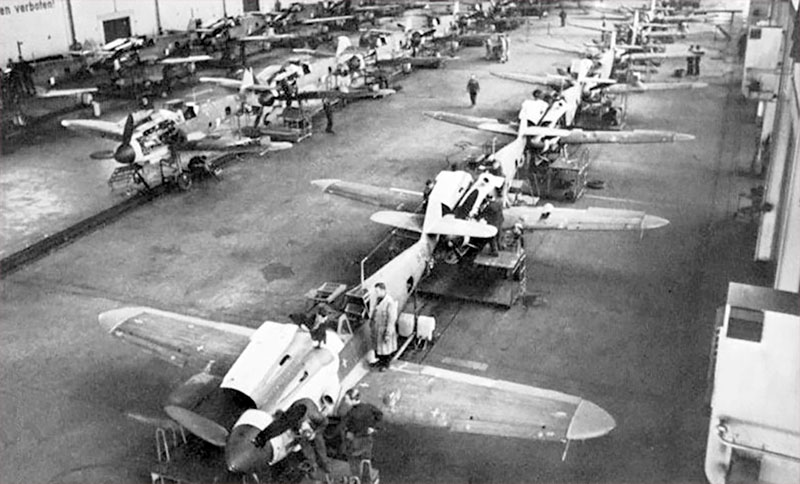
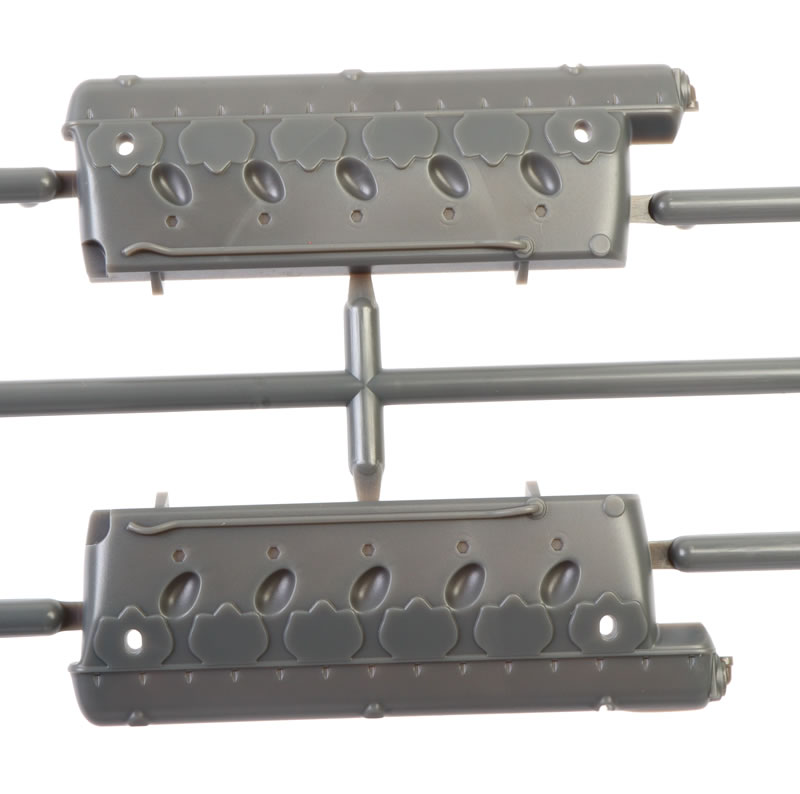
It was the Bf 109 G-6—entering full production shortly afterward—that became the definitive Gustav. The G-6 featured the distinctive “Beule” cowling bulges required to house the heavier 13 mm MG 131 machine guns, significantly increasing firepower at the expense of aerodynamic cleanliness. Factories across Germany and occupied Europe produced the G-6 in staggering quantities, spawning a multitude of role-specific sub-variants covering everything from pure fighter and bomber interceptor to reconnaissance and fighter-bomber duties.
In service, the G-5 equipped specialist high-altitude units such as JG 1 and JG 11, where its pressurised cockpit offered a genuine advantage. The G-6, by contrast, was the workhorse of the Jagdwaffe, fighting across every major front. It duelled with USAAF bomber formations over Germany, contested Soviet fighters across the Eastern Front and supported Luftwaffe operations in the Mediterranean and Balkans. Although increasingly outclassed by newer Allied types later in the war, experienced pilots continued to extract impressive performance from the G-6 right through to 1945.
Effectiveness Against Contemporary Allied Fighters
By the time the Messerschmitt Bf 109 G-6 entered mass service, the balance of air power had begun to shift decisively in the Allies’ favour. Although still formidable, the G-6 struggled to maintain parity with the latest enemy fighters.
In the West, the most immediate threat was the Spitfire Mk.IX. Its superb balance of manoeuvrability, climb and high-altitude performance gave it an edge in most regimes. While the Bf 109 retained an excellent rate of climb and potent armament, the added weight and drag of the MG 131 installation degraded acceleration and agility. Luftwaffe pilots typically relied on disciplined energy tactics and the Bf 109’s strong vertical manoeuvre performance to remain competitive.
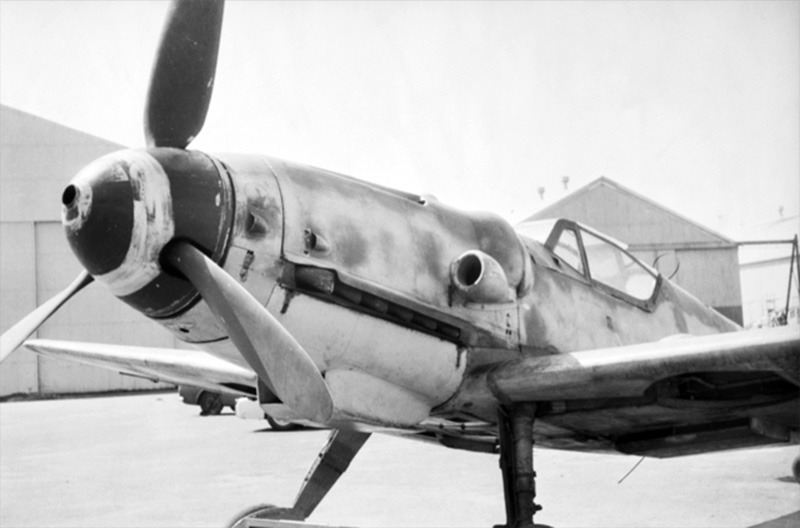
The arrival of the P-51 Mustang further eroded the G-6’s standing. The Mustang’s outstanding long range, high-altitude ability and excellent handling meant it could dictate the terms of engagement. By comparison, the G-6’s narrow undercarriage, cramped cockpit and short range—all acceptable compromises earlier in the war—had become real operational disadvantages.
On the Eastern Front, performance comparisons were more favourable. The Bf 109 G-6 proved highly effective against Soviet types such as the Yak-9, La-5FN and La-7, especially at medium to high altitudes where its climb rate and firepower remained decisive. Even so, rapid Soviet aircraft development meant that by late 1944 the Gustav was approaching the limits of its competitiveness here as well.
In the end, the G-6 remained dangerous when flown by an expert and supported by sound tactics. Yet as Allied designs surged ahead in speed, range and handling, the Gustav’s continued relevance became increasingly dependent on pilot skill rather than inherent technological superiority.
That Other Airfix 1:24 scale Messerschmitt Bf 109
Airfix’s classic 1:24 scale Messerschmitt Bf 109 E, first released in 1970, was one of the most desirable large-scale kits of its era.
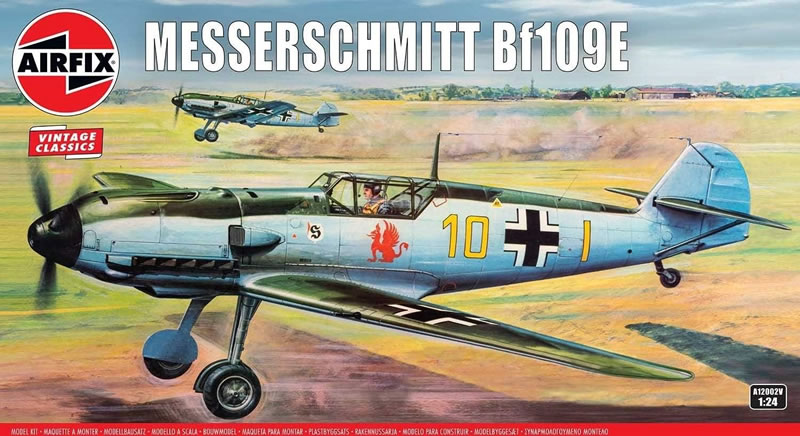
Although undeniably dated by modern standards, it still eminates a certain charm that helped define Airfix’s early foray into “superkits.” Surface detail comprises mainly recessed panel lines and raised rivets, while the cockpit, engine bay and undercarriage reflect the moulding boundaries of the time. Some elements—such as the cockpit and especially the bare wheel wells—benefit from careful refinement or aftermarket help.
Airfix captured the overall proportions and stance with surprising accuracy.
Trumpeter 1:24 scale Messerschmitt Bf 109 G-6
Trumpeter’s 1:24 scale Messerschmitt Bf 109 G-6 Early and G-6 Late kits were released around 2004.
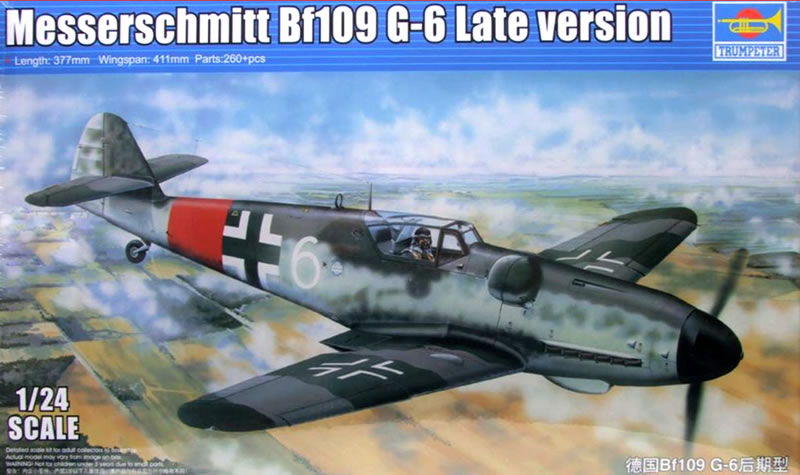
Trumpeter also offered Bf 109 G-2, G-10 and K-4 kits.
These are ambitious models but they also come with some well-known quirks. Trumpeter captures the general lines of the Gustav reasonably well, and the kits benefit from crisply moulded parts, optional open panels and a DB 605 engine. Surface textures are finely rendered, with restrained panel lines and recessed rivet.
However, the kit suffers from some important shortcomings. In particular, the cowling shapes, spinner, oil cooler, wheel hubs and canopy contours are not correct.
After more than twenty years, Gustav aficionados definitely deserve better.
Airfix has just delivered “better” with their brand new 1:24 scale Messerschmitt Bf 109 G-6.
In fact, a whole lot better!
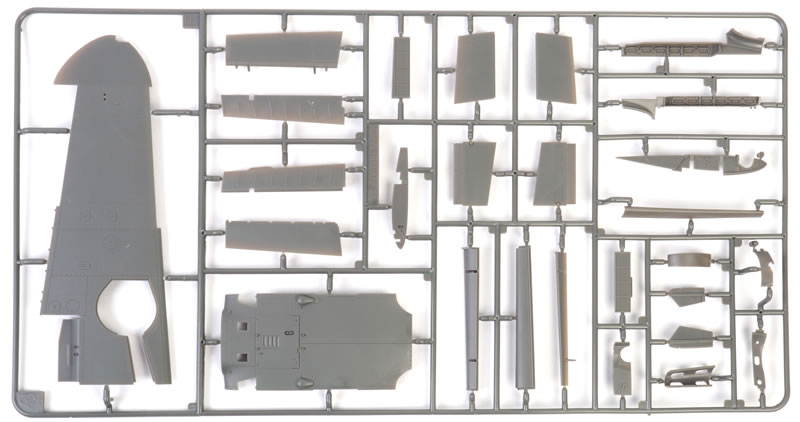
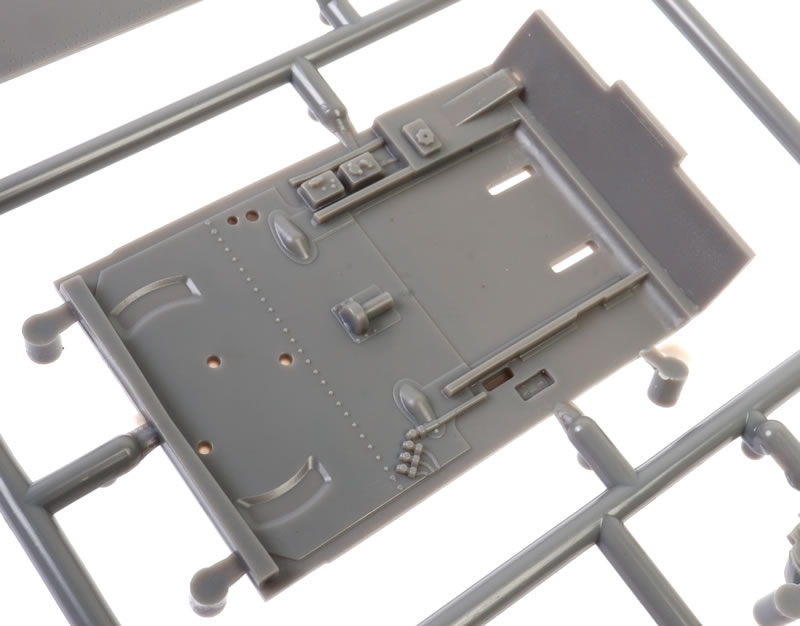
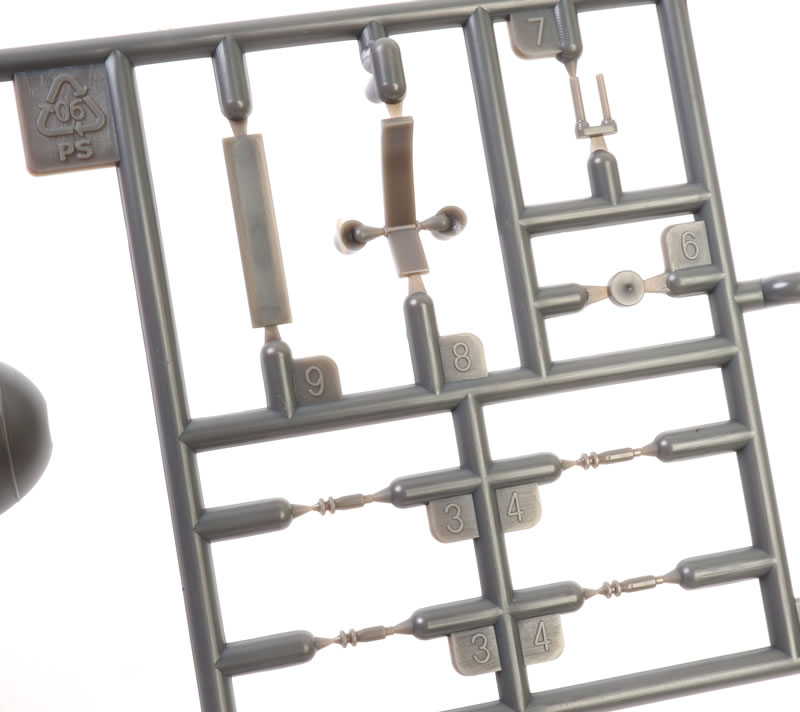
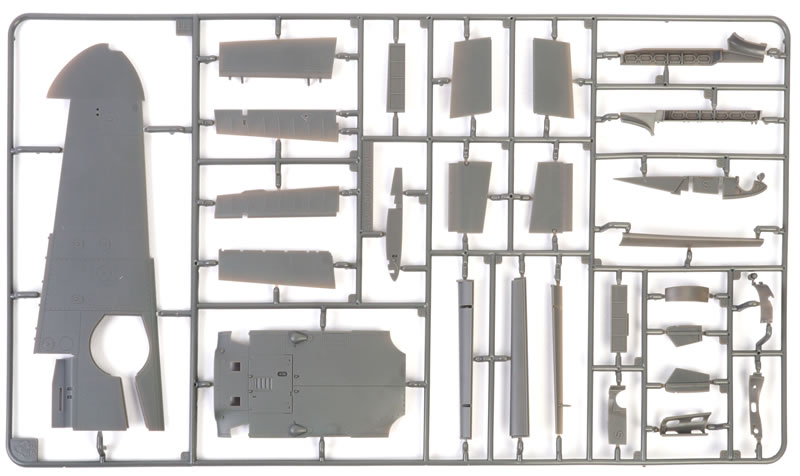
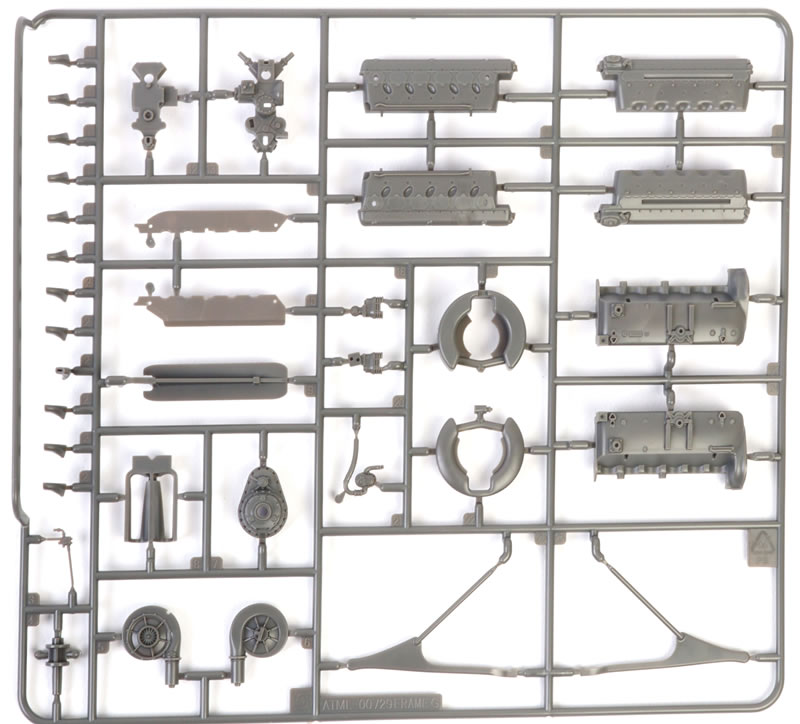
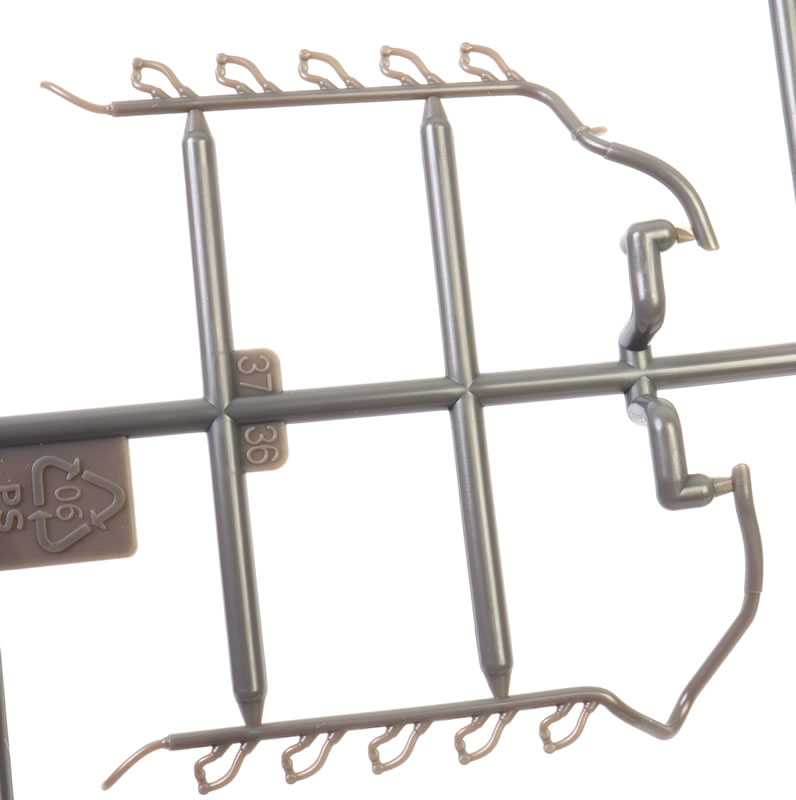
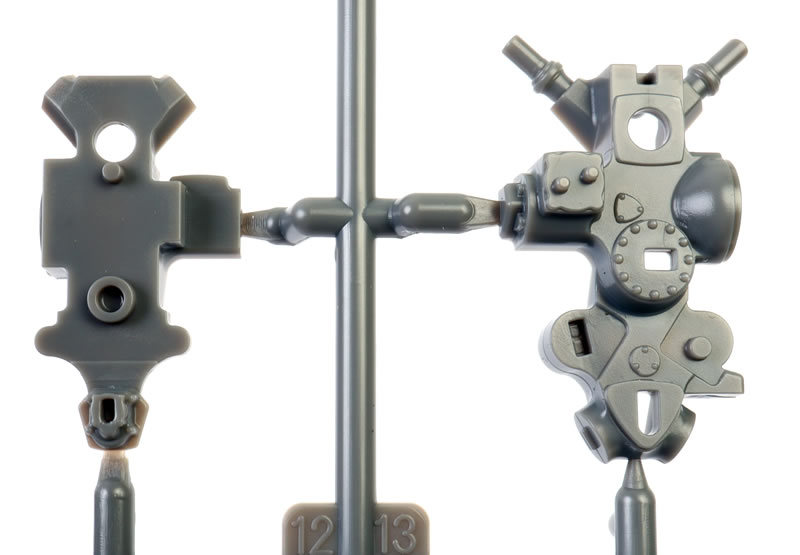
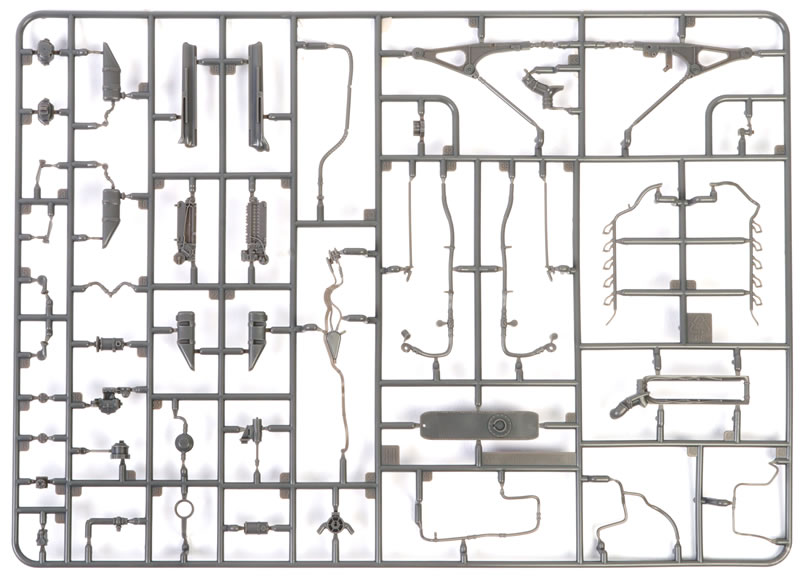
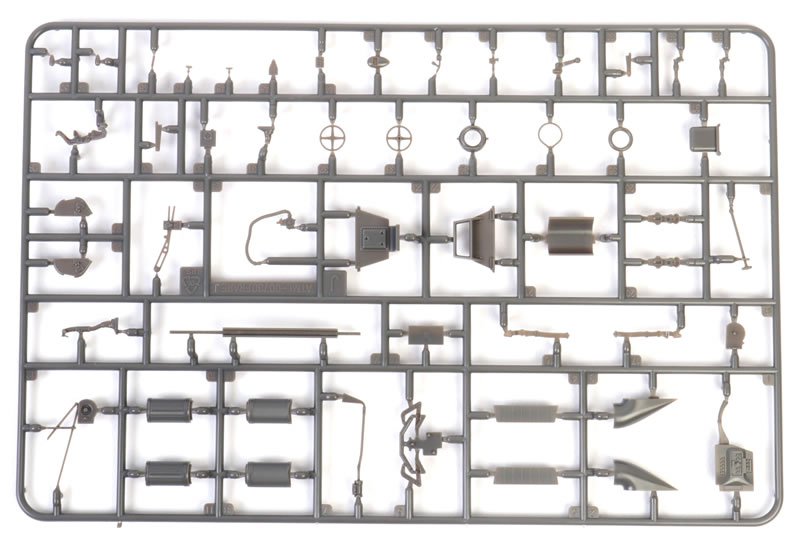
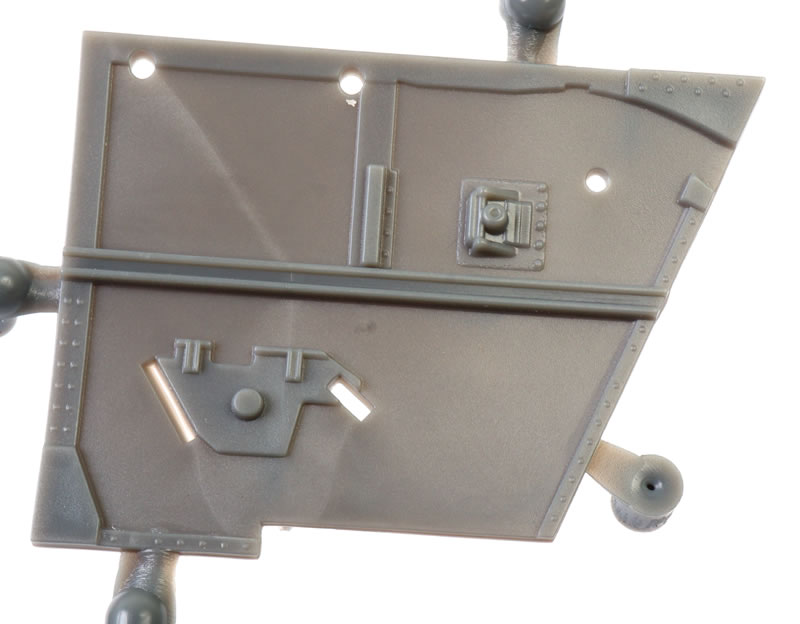
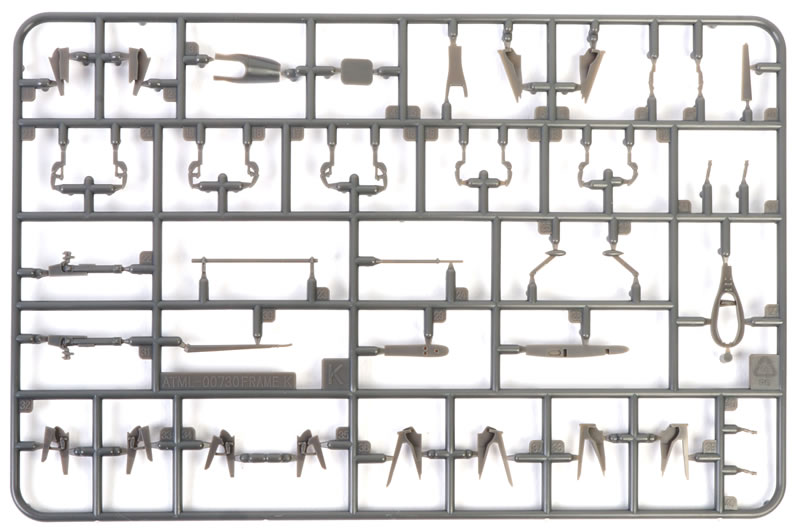
This is an entirely plastic kit—no photo-etch or 3D-printed parts to be found here. The sprues showcase the capabilities of modern 21st-century plastic moulding technology.
The new Airfix 1:24 scale Messerschmitt Bf 109 G-5 / G-6 comprises 393 medium grey plastic parts, 22 clear parts, self-adhesive die-cut masks, decals for five marking options, glossy colour and markings guide and a 44 page A4 instruction book.
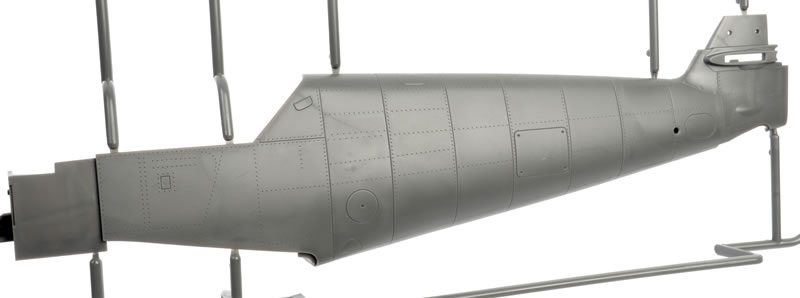
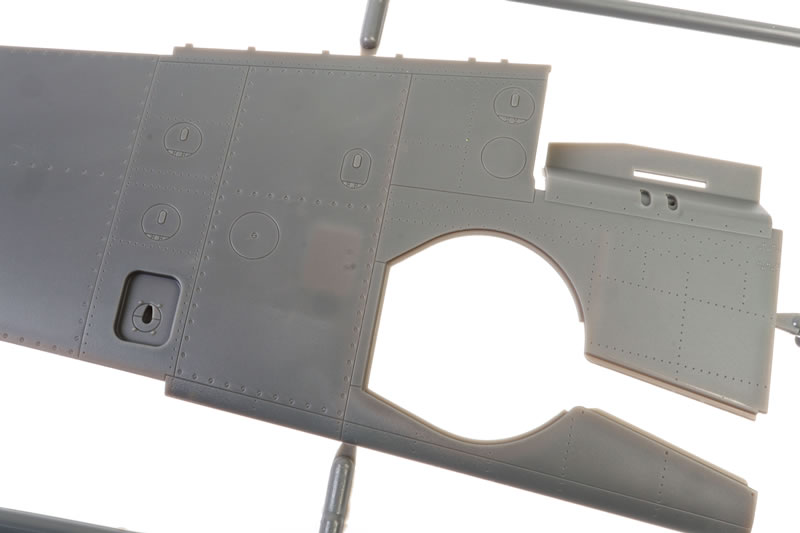
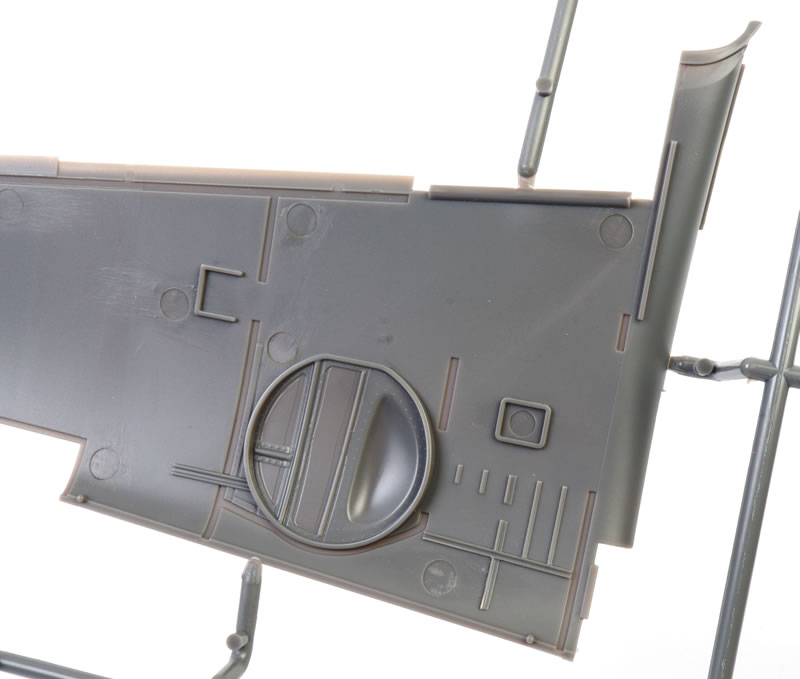
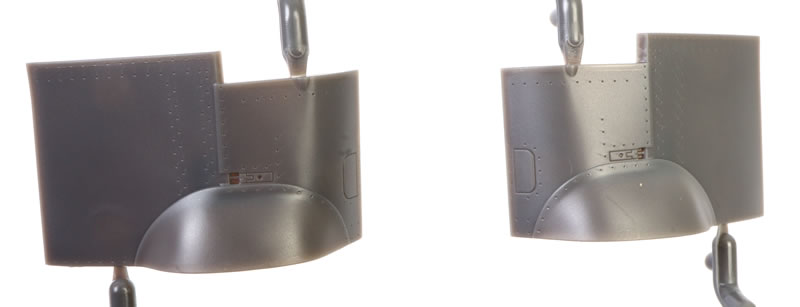
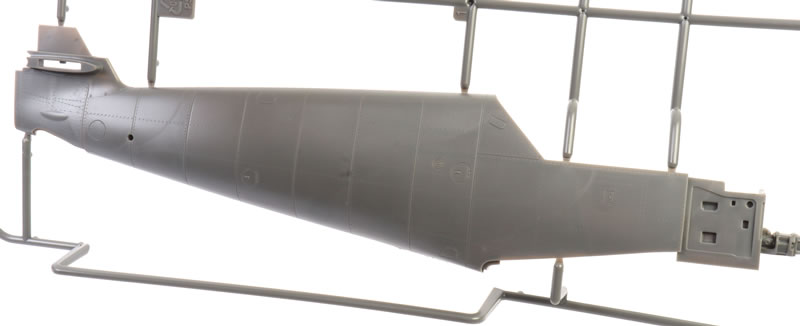
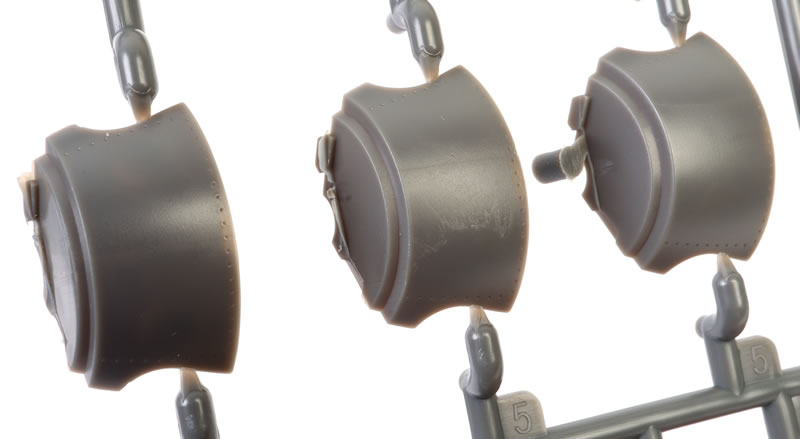
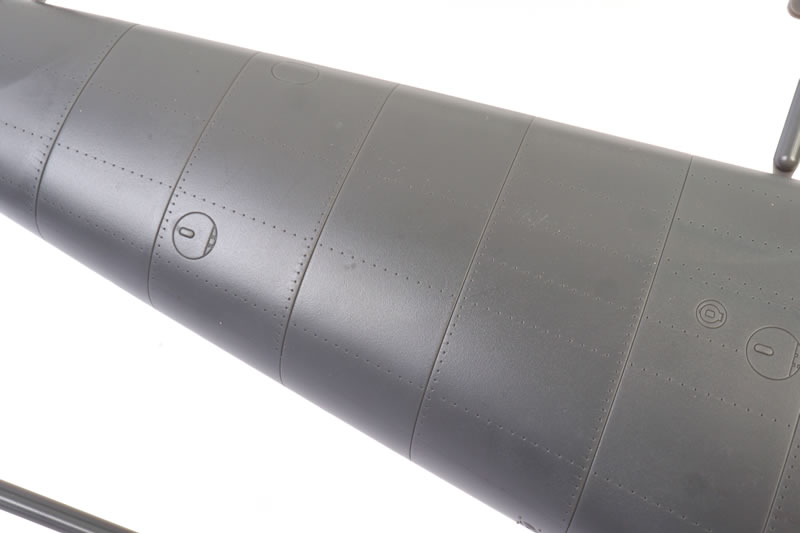
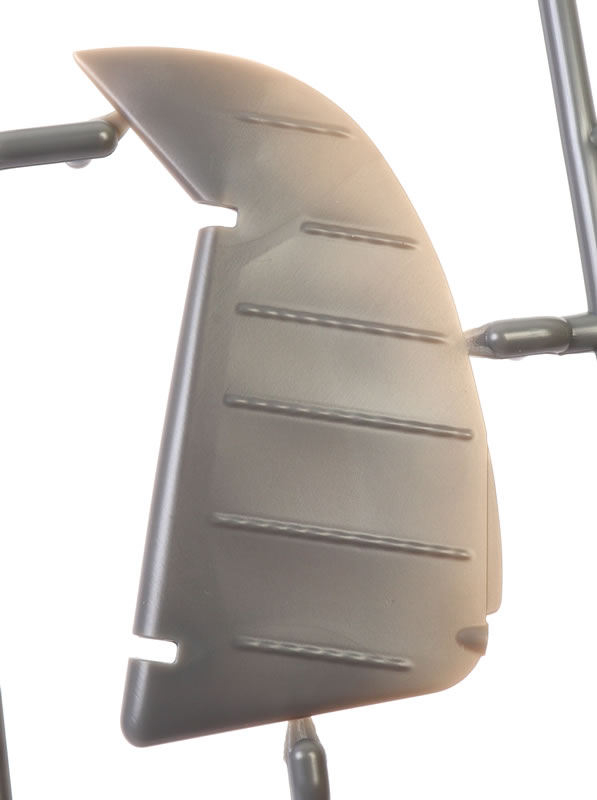
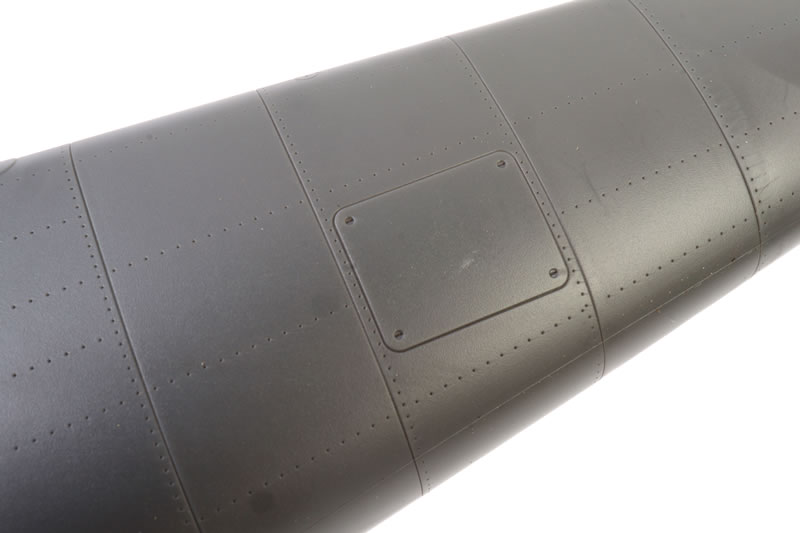
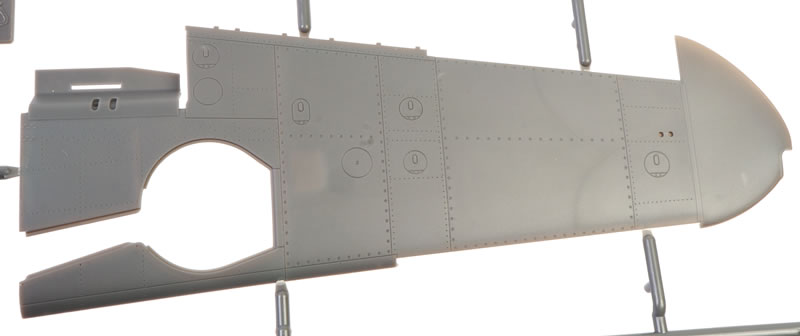
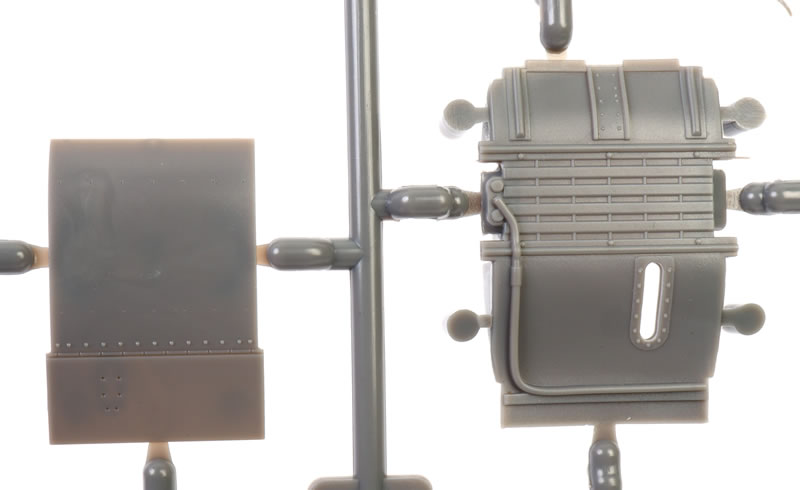
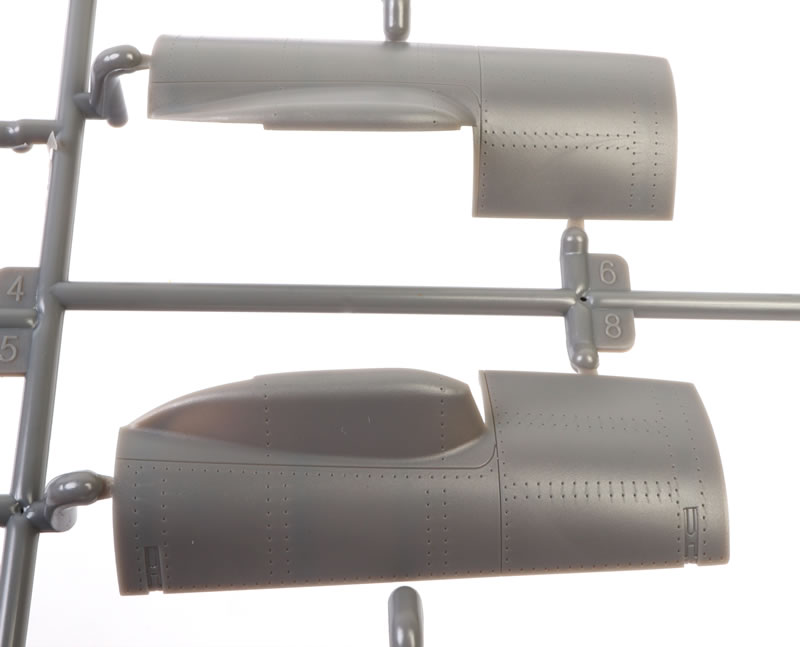
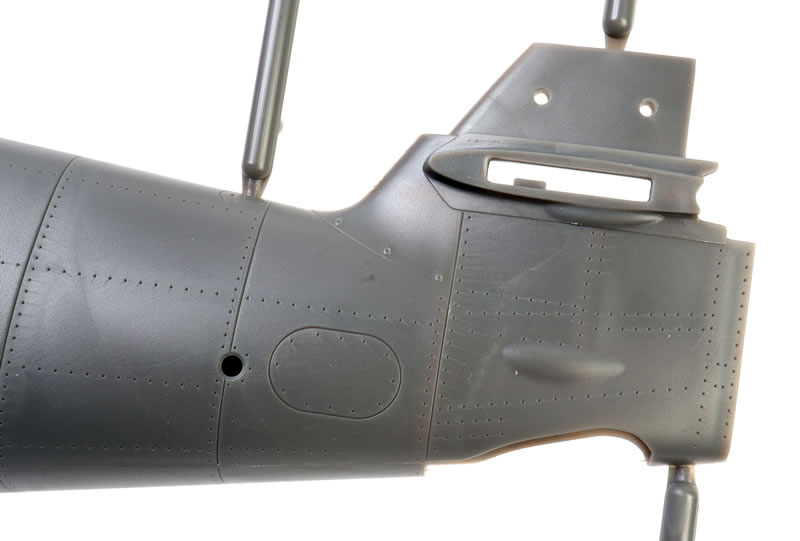
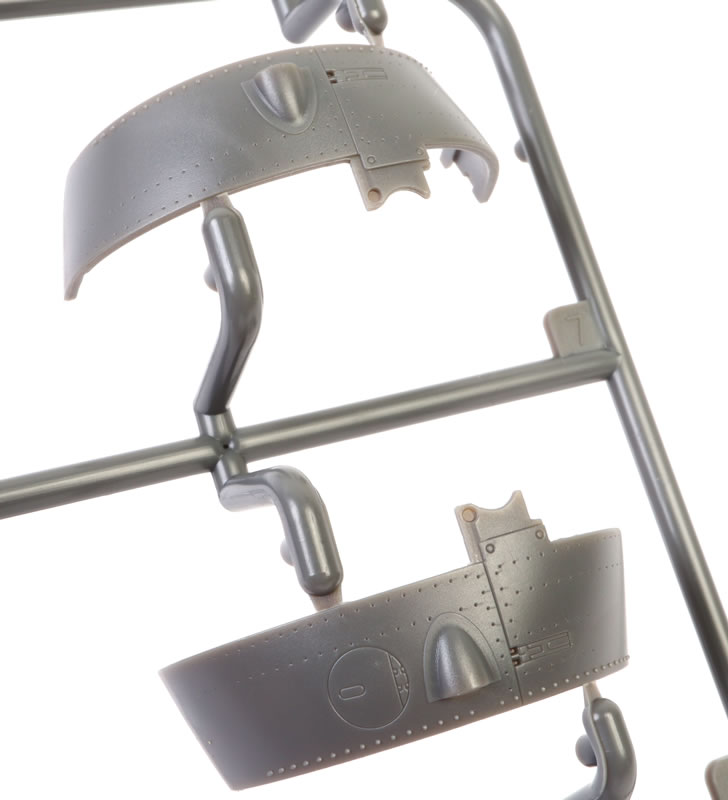
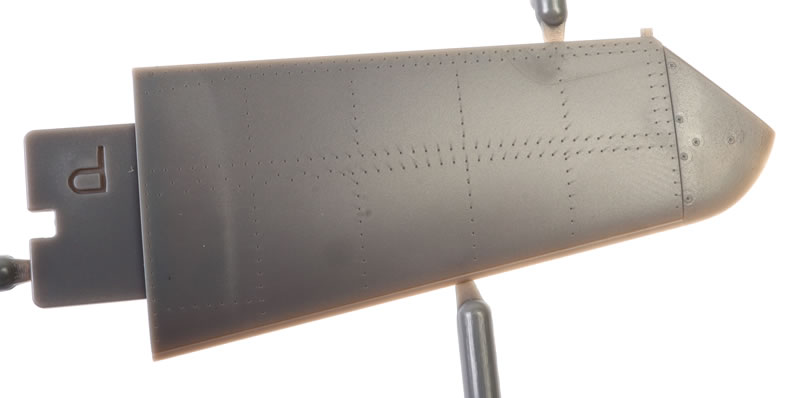
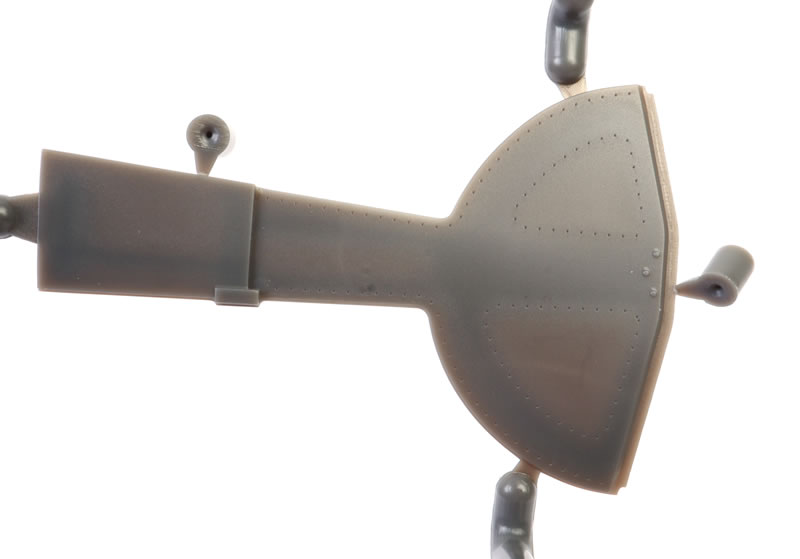
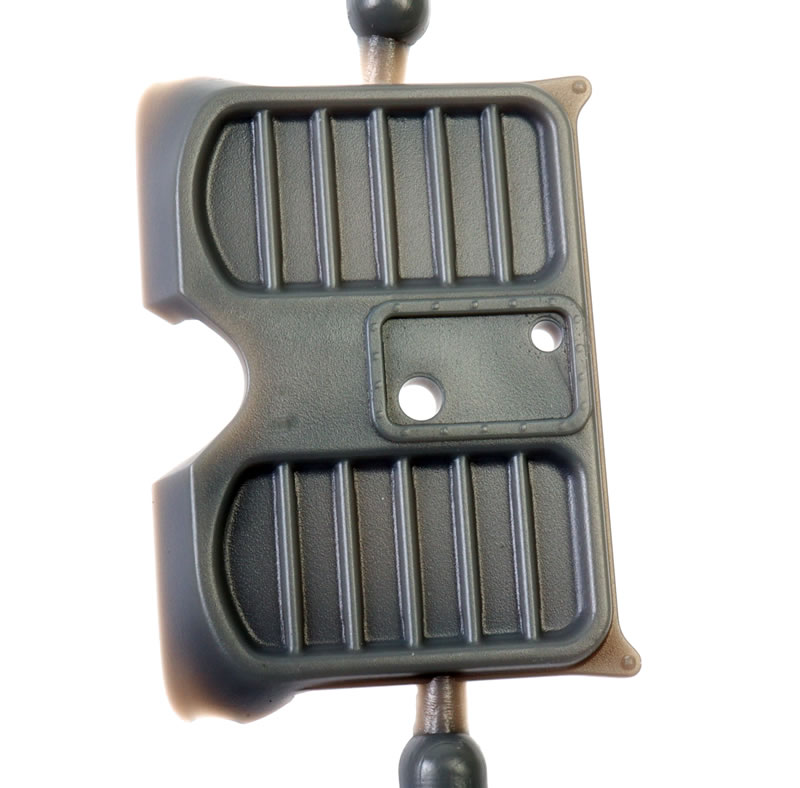
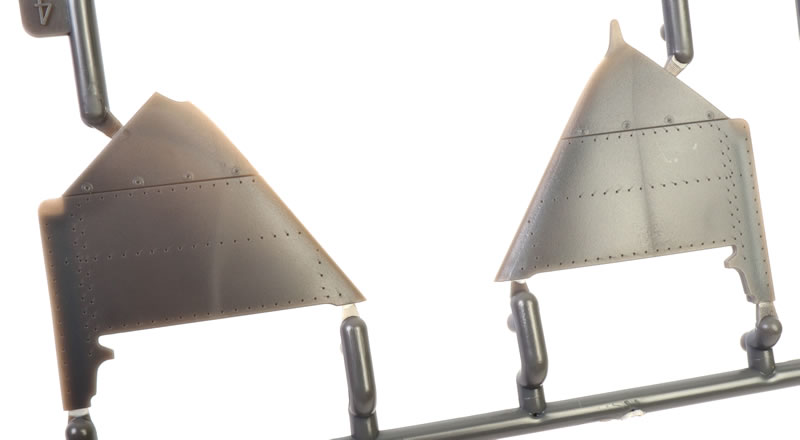
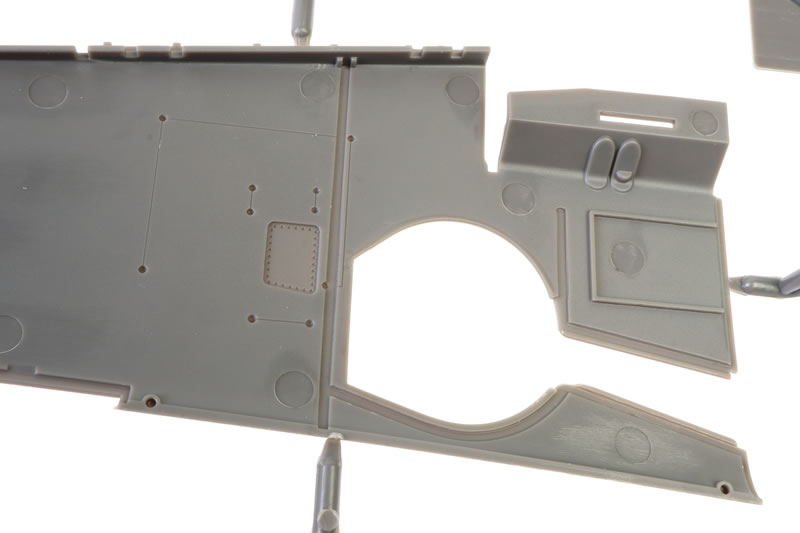
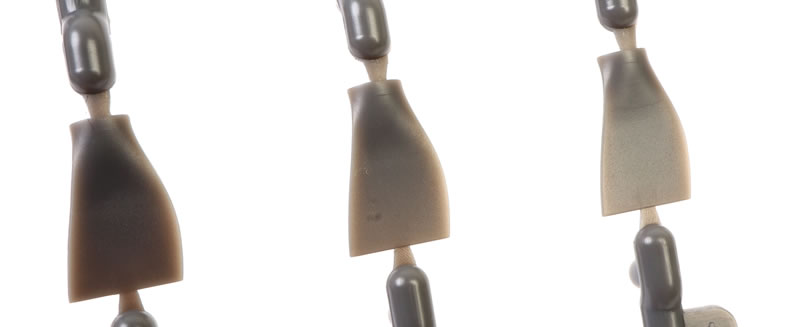
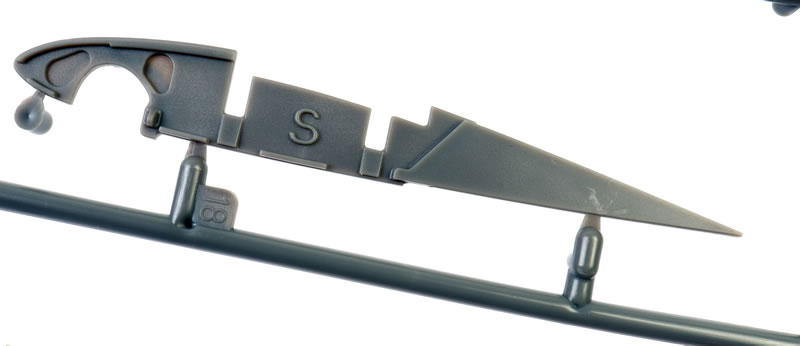
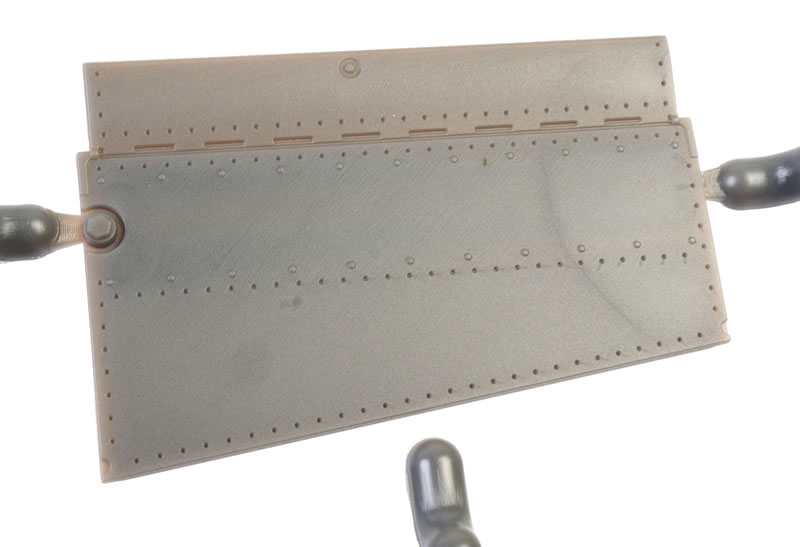
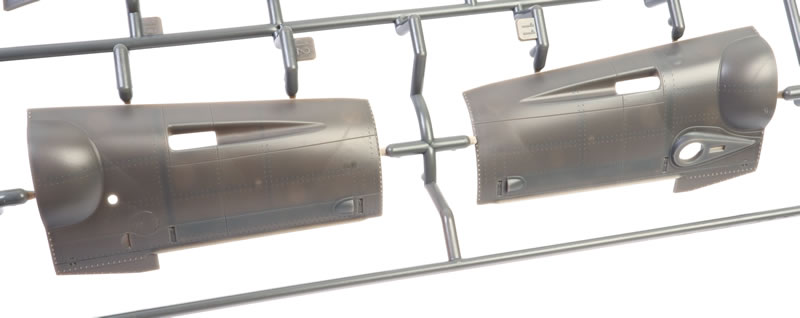
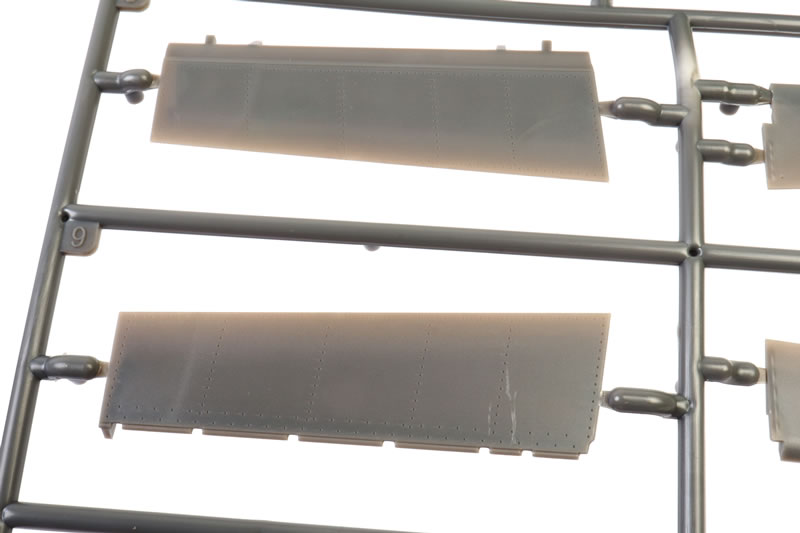
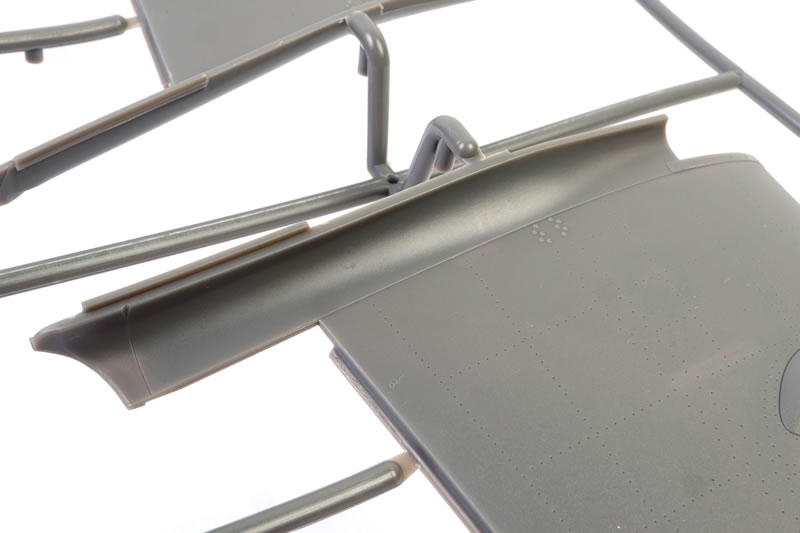
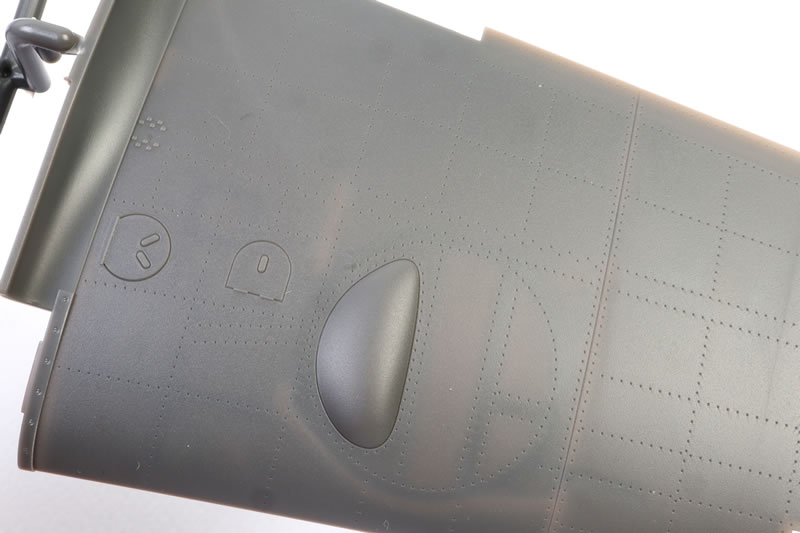
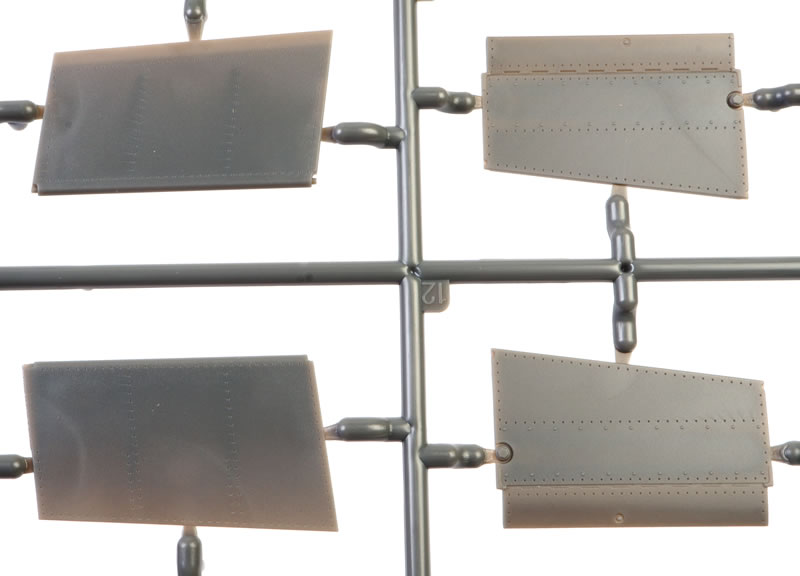
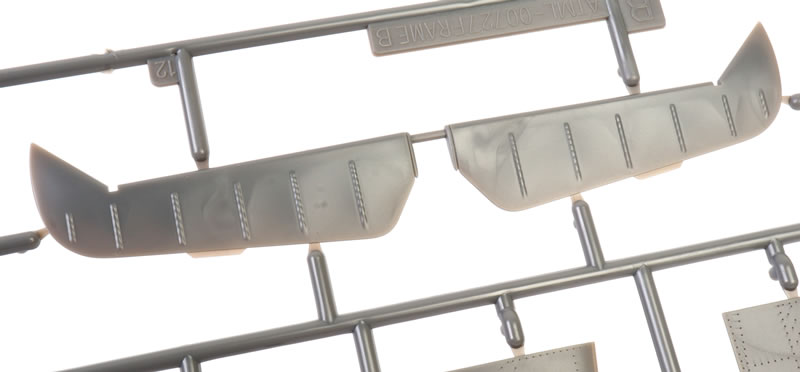
Surface textures are very fine with recessed panel lines and rows of rivets.
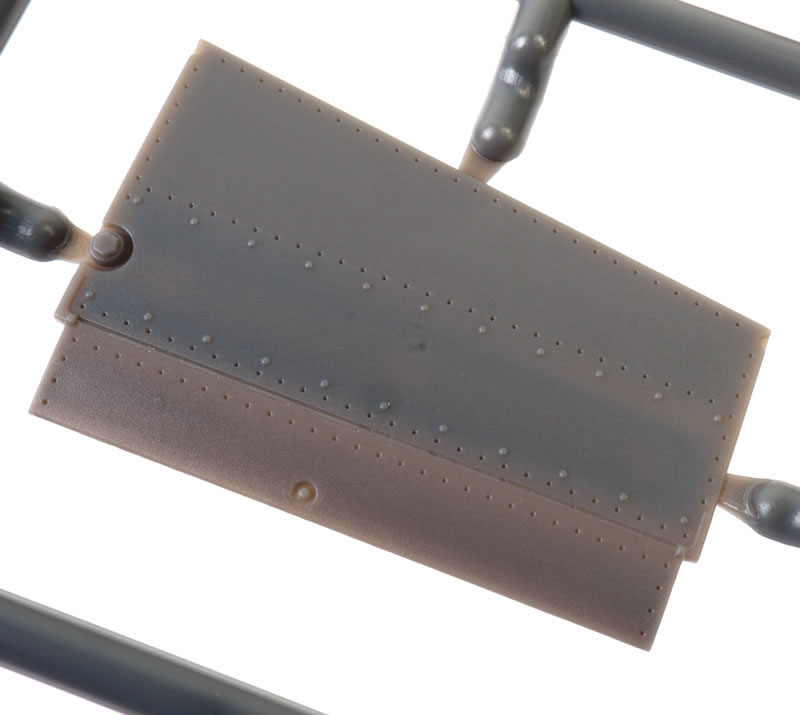
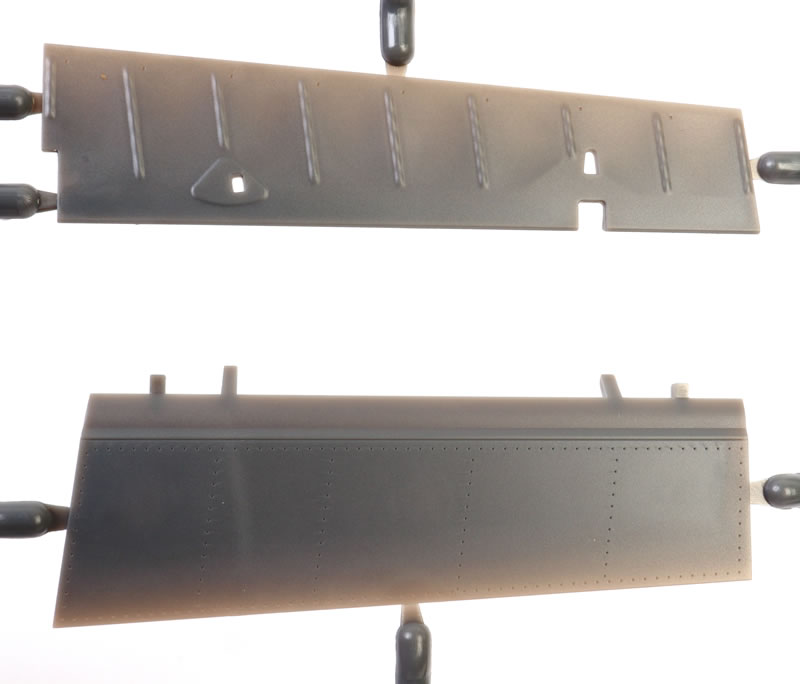
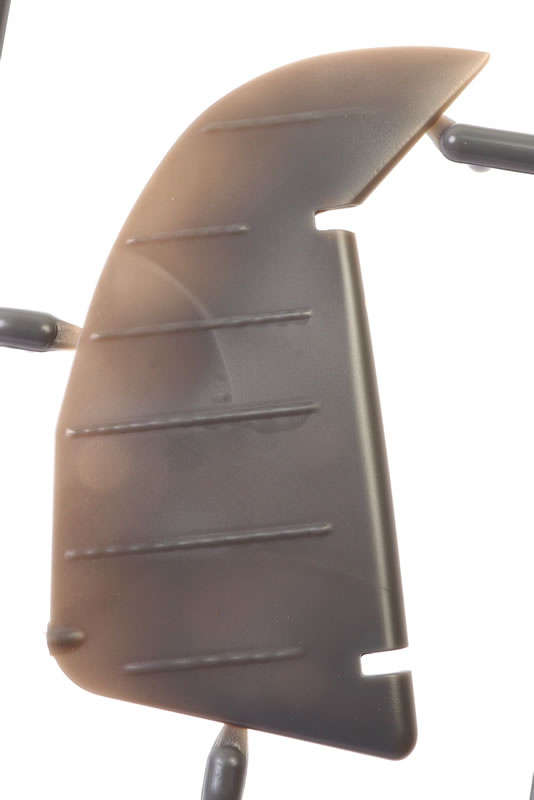
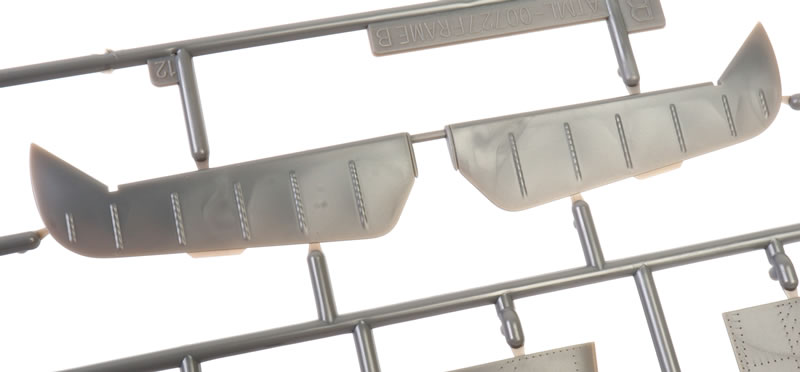
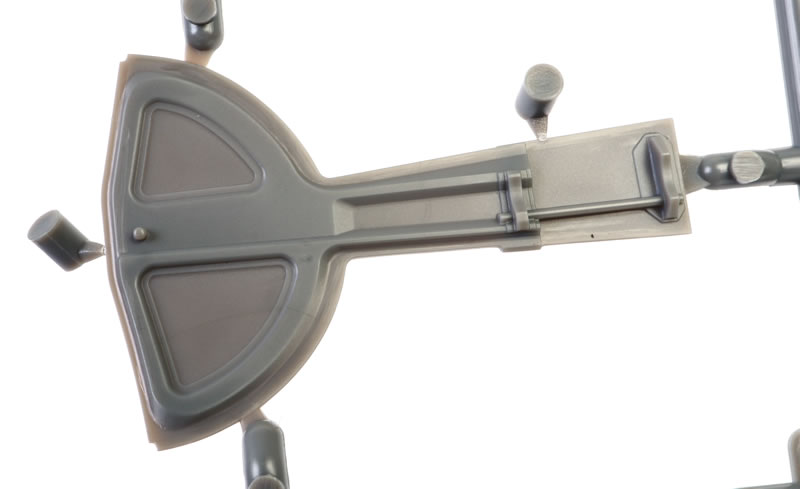
Fabric textures are equally good, with raised stitching and subtle scalloping between ribs.
The kit includes a complete DB 605A engine. Please note that the modeller must choose between displaying the engine or finishing the kit with the engine cowlings buttoned up. To quote the Airfix instructions:
“The model can be built with various engine and radiator cowling parts removed to show the engine and radiator detail underneath. However, it is not possible to fit all of the engine detail parts and then fit the engine and radiator cowling panels on top of the details. The model has not been designed to allow the cowling panels to be taken on and off the completed model. Before you start construction you mush choose which cowling panels you will be fitting”.
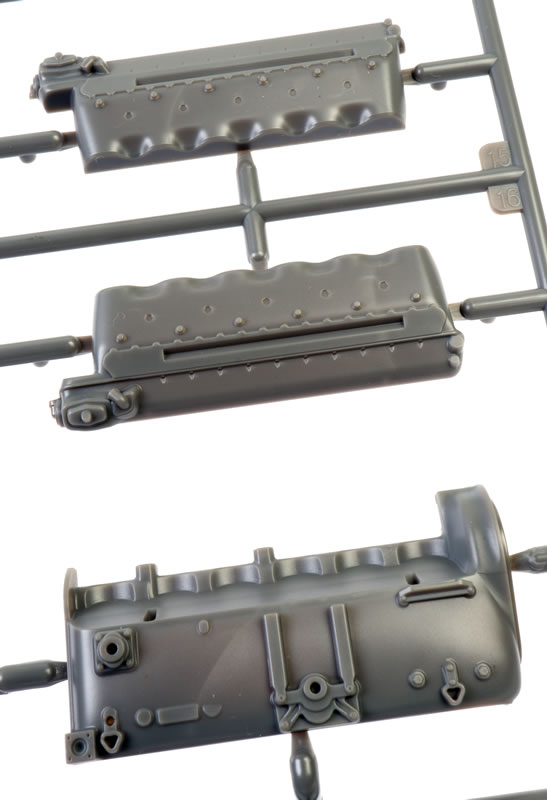
So, before you even snip a single part from the sprues, you will have to choose your preferred cowling and engine configuration. Fortunately, the instructions are quite clear about the options.
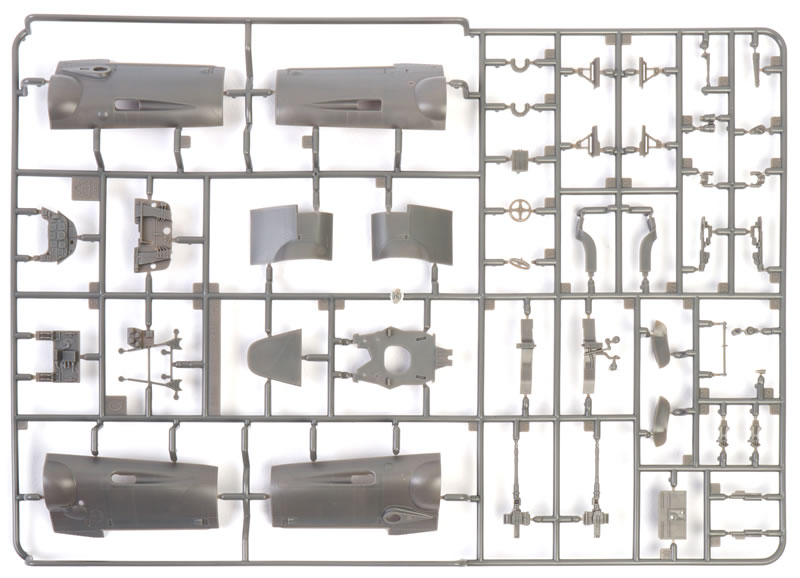
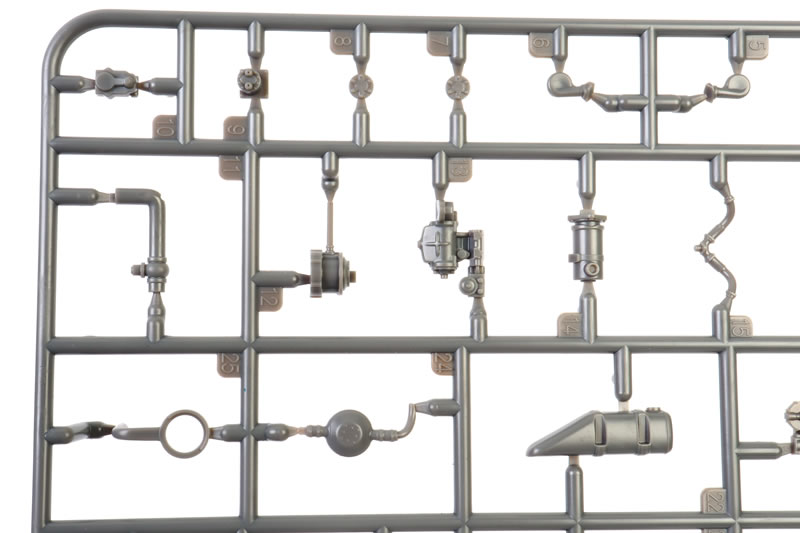
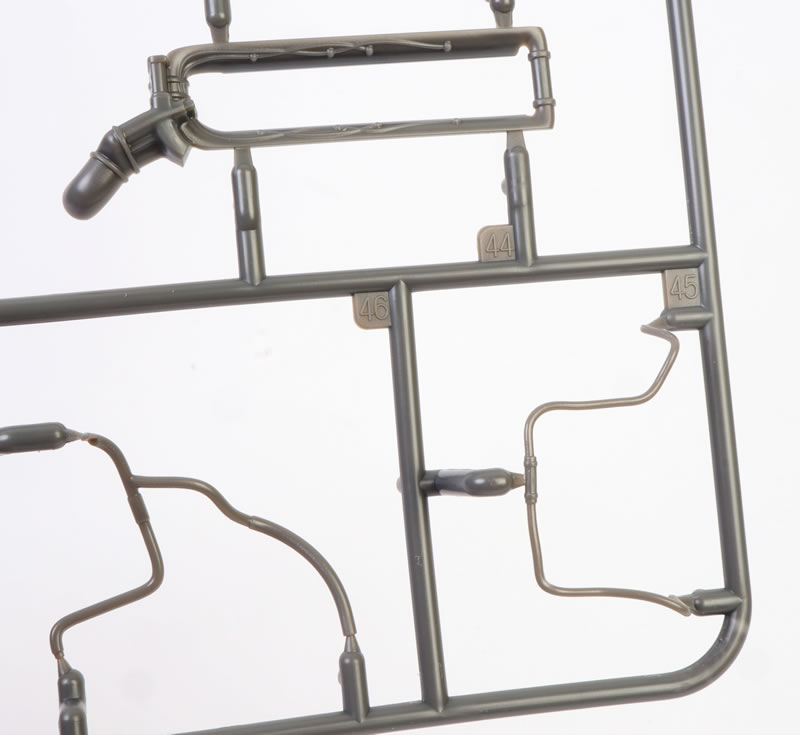
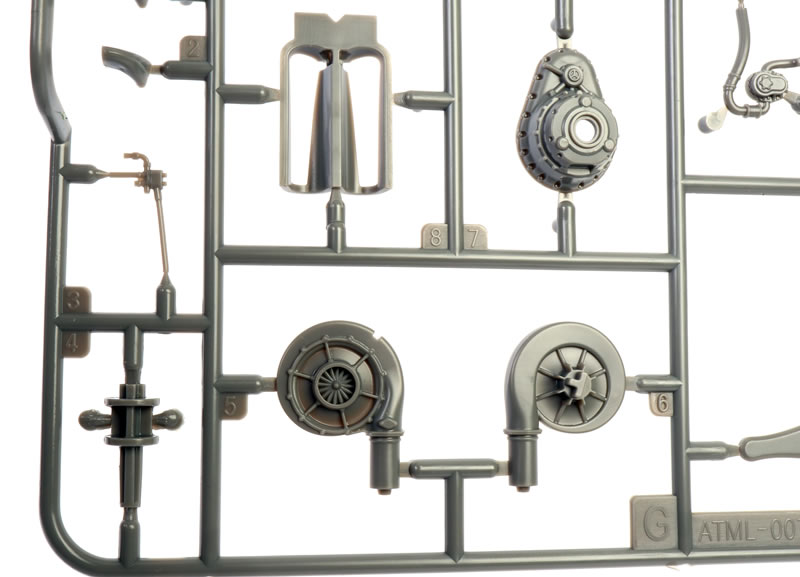
If you choose to display, the complete engine is made up from 81 plastic parts. This does not include cowlings and other external details.
The completed engine should look fantastic with its comprehensive plumbing detail and electrical harnesses, individual hollow-ended exhaust stacks and much more. Airfix also provides a detailed colour guide to painting the engine and its associated sub-assemblies. Seven different colour views are offered.
Airfix also includes decals for the engine block.
If you decide to button up your cowlings, the minimised engine will only require 37 parts, once again not including cowlings and other external details.
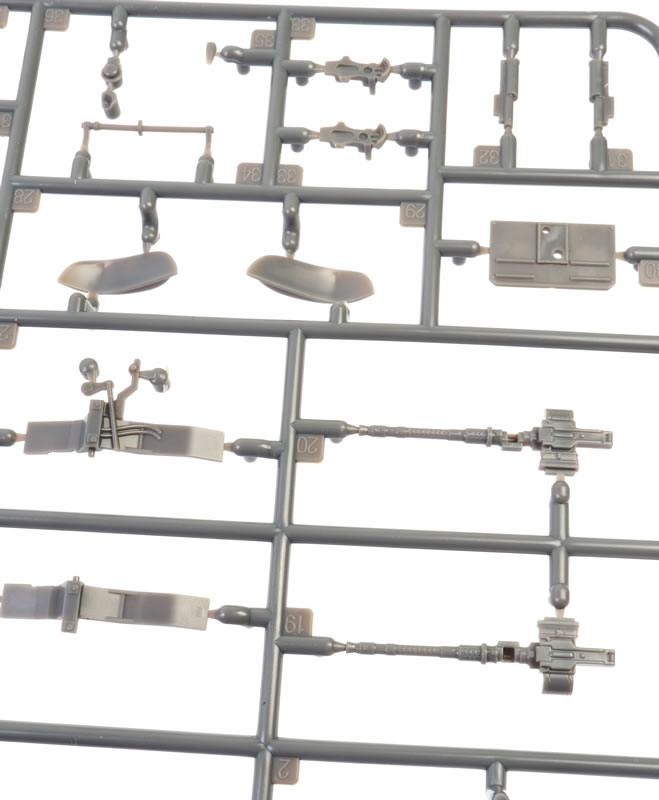
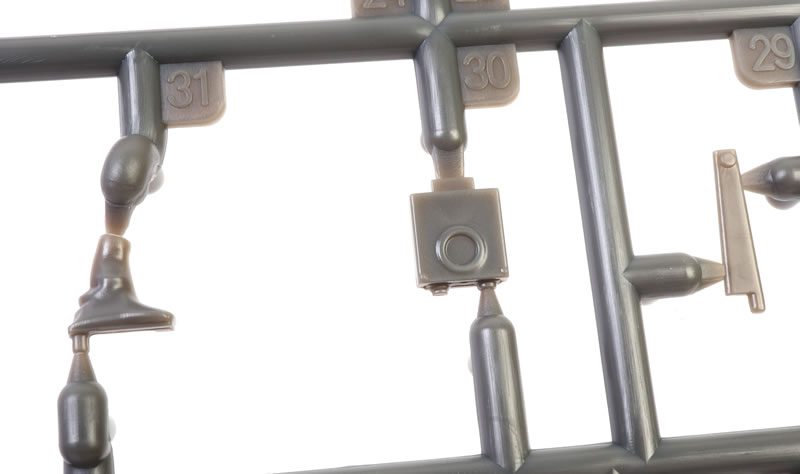
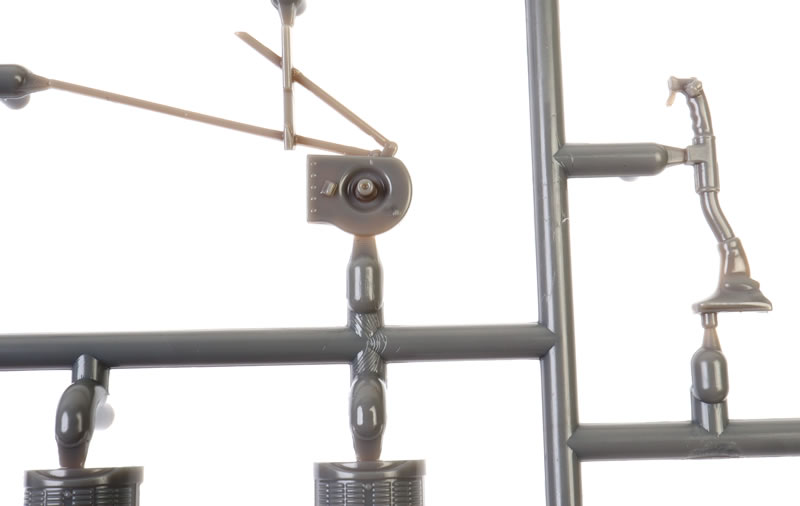
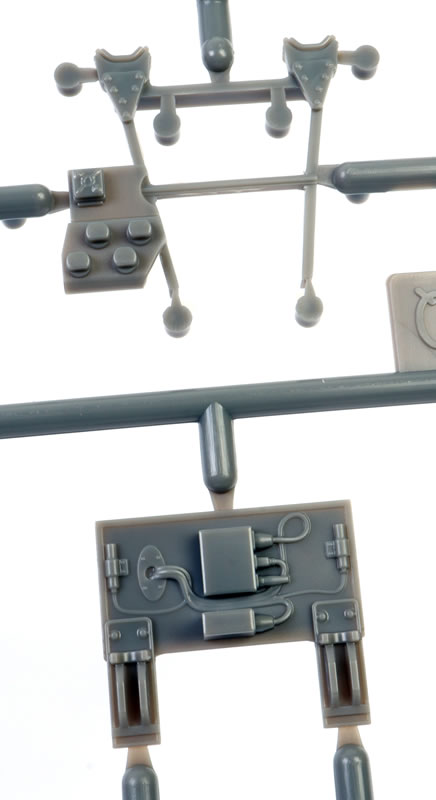
The cockpit comes next. It is bristling with detail. 53 parts are used for the front office.
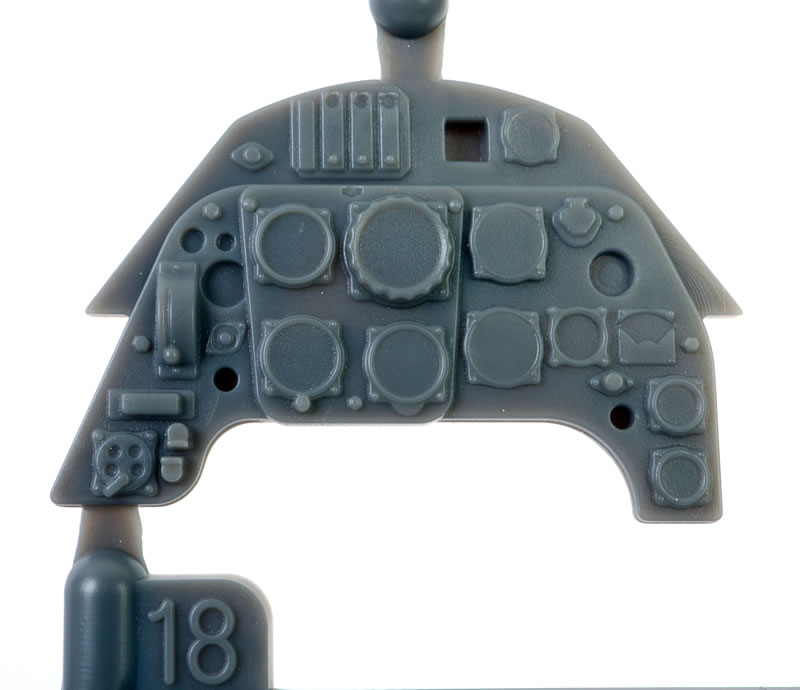
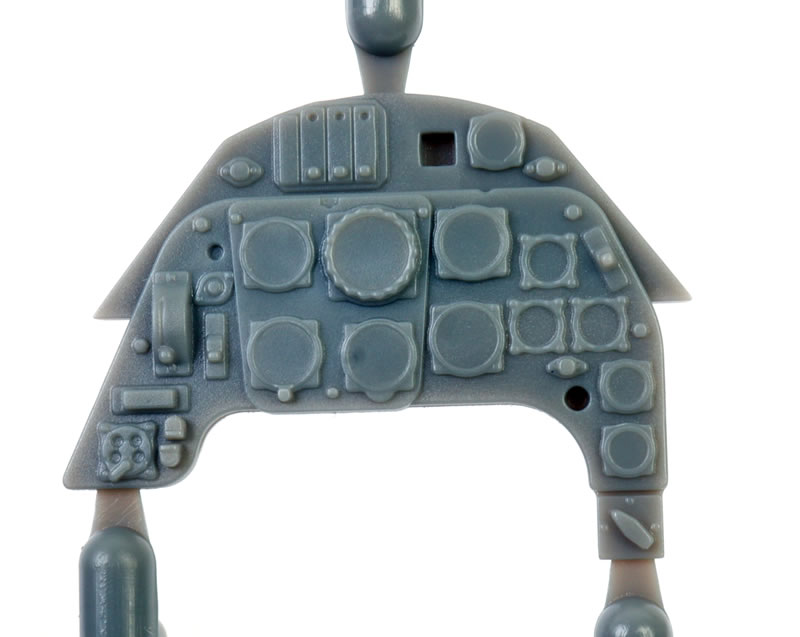
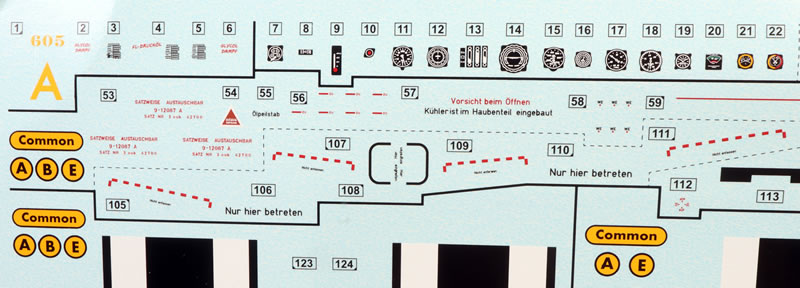
Two styles of instrument panel are supplied – Early and Late. They both have raised bezels and switches with flat circles representing lenses. Individual decals are offered for instrument dials and ammo counters.
A number of interesting cockpit options are available. These include:
- Separate plastic harness straps. These look really good with natural drape.
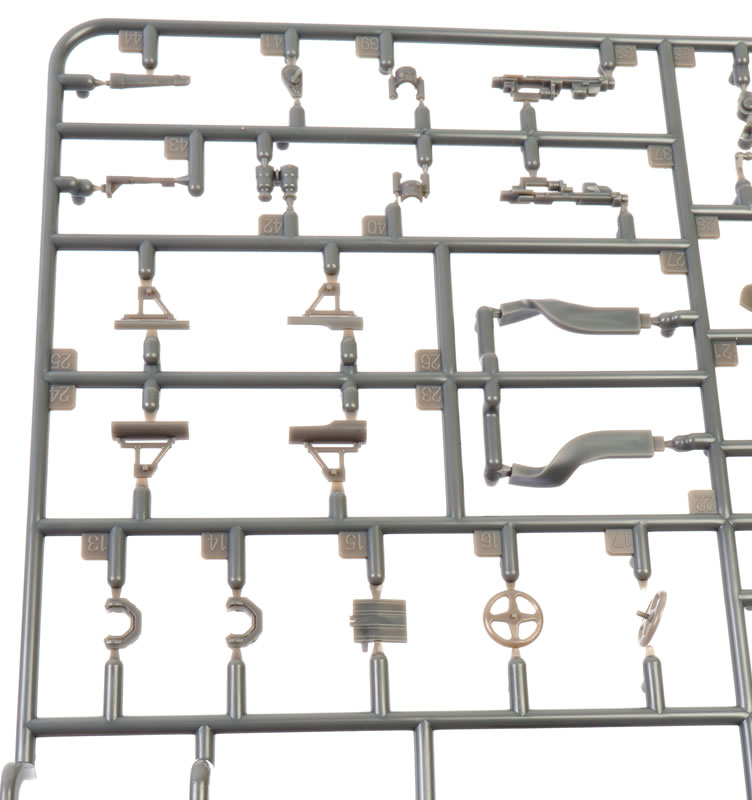
- Optional styles of foot rests on the cockpit floor.
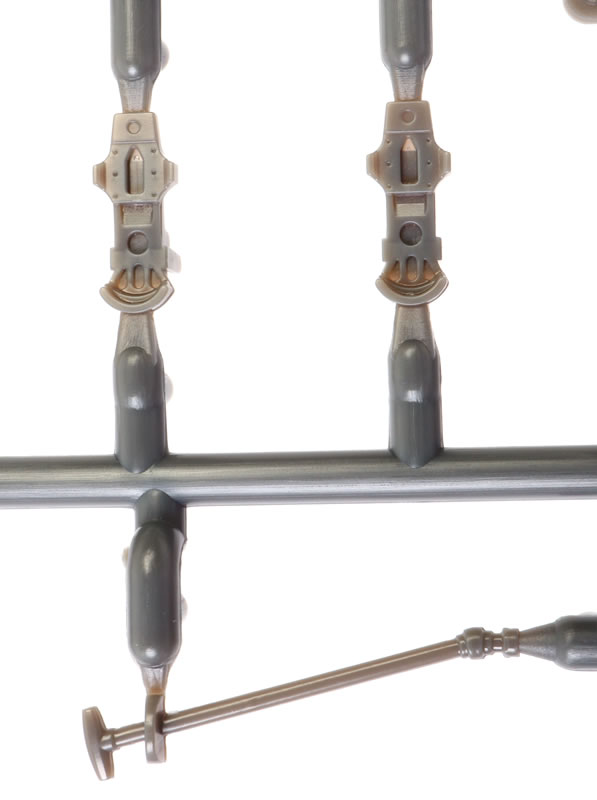
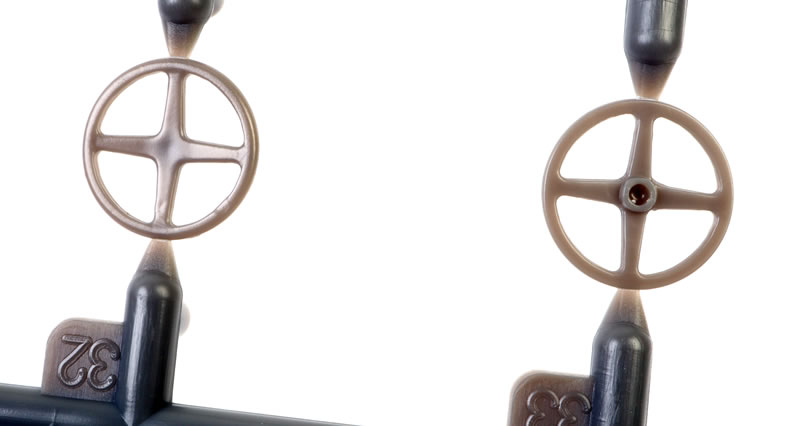
- Two styles of trim wheel.
- Alternative pilot’s stowage.
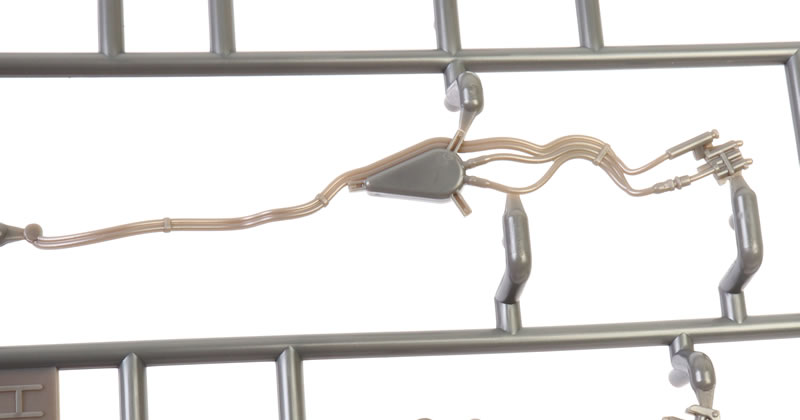
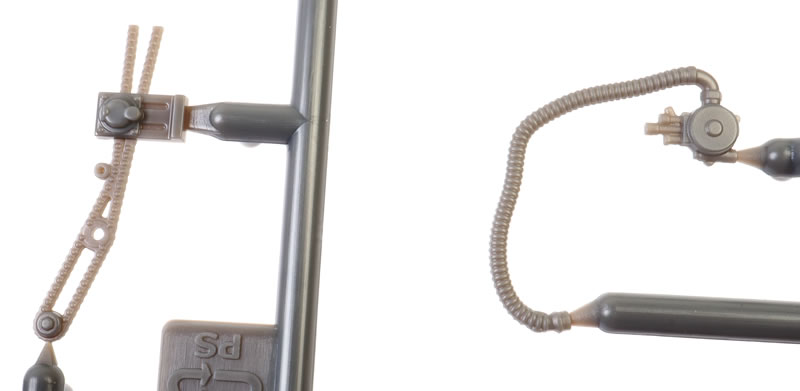
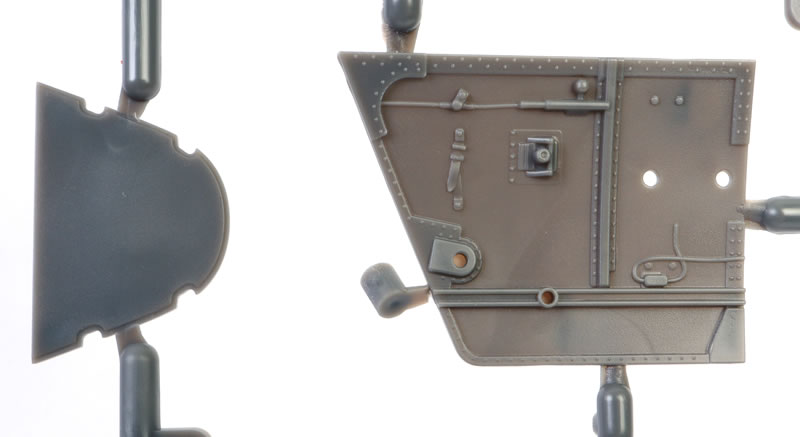
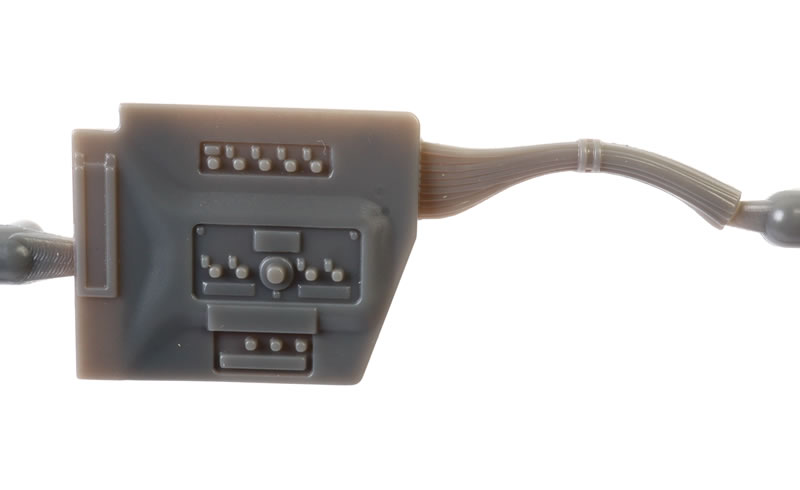
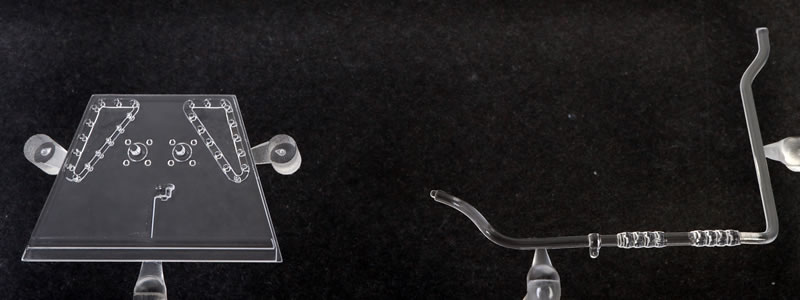
The cockpit sidewalls start out reasonably bare but they will be quickly filled out with layers of detail including the switch box, throttle quadrant, trim wheels and chains, oxygen regulator and hose, supplementary instruments and a clear plastic fuel line on the starboard sidewall.
The fuselage halves will be sealed before assembly of the wings gets underway.
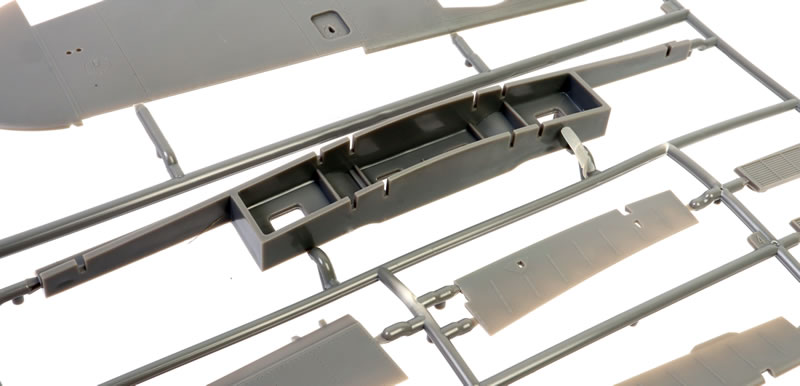
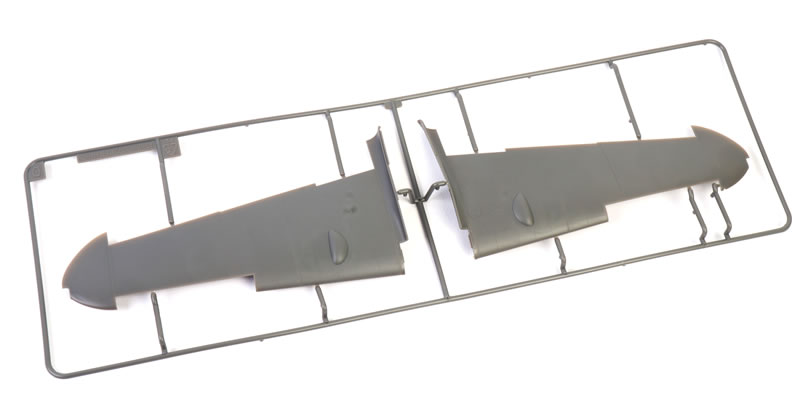
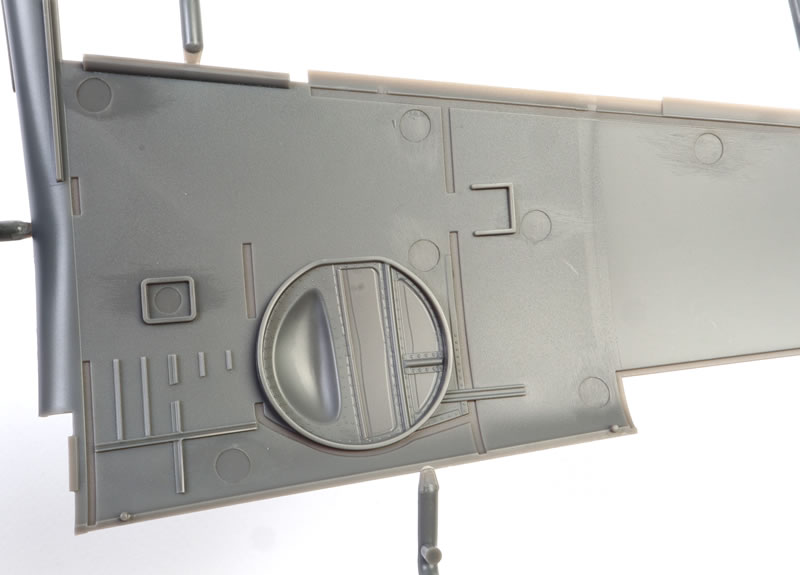
A stout wing spar ensures correct dihedral, reinforced by internal ribs inside each wing.
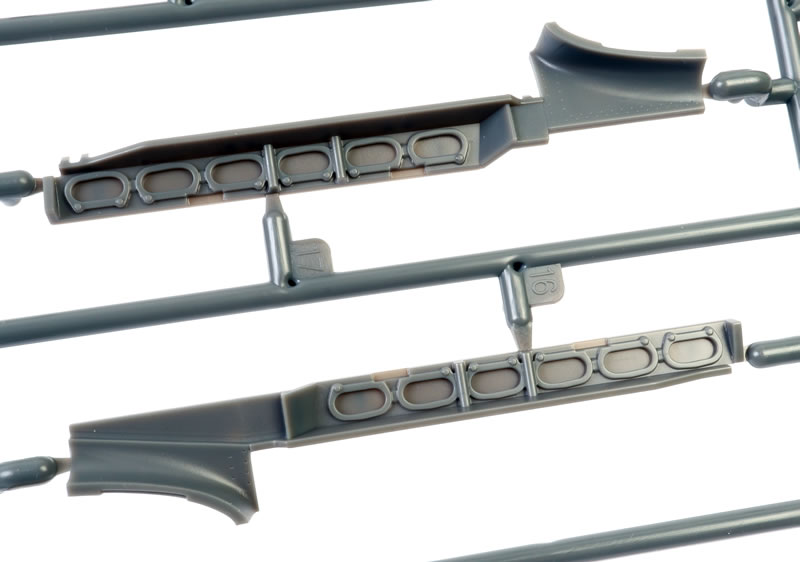
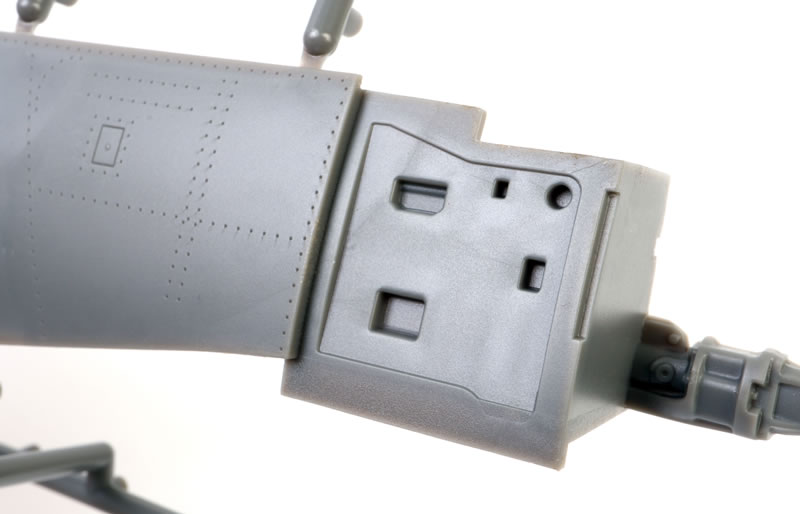
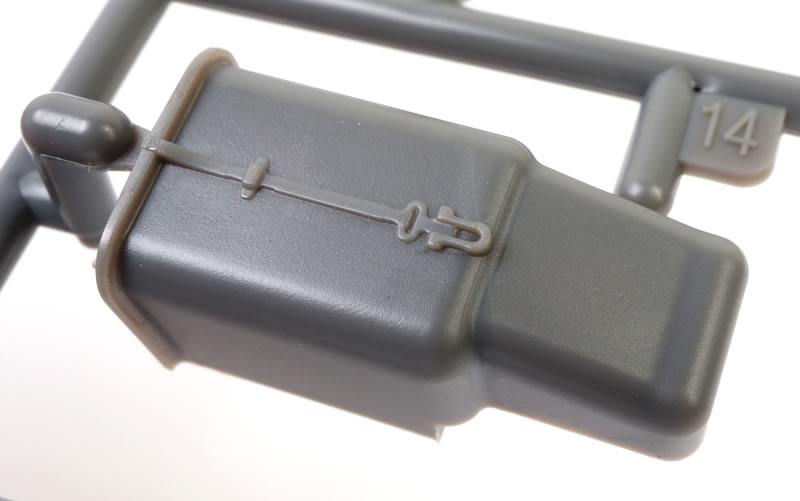
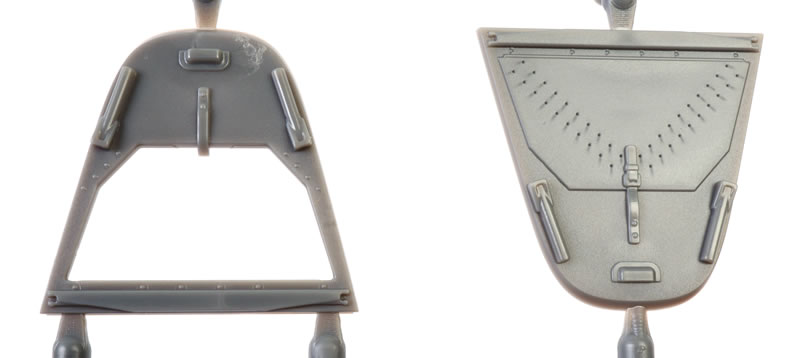
The wheel wells feature deep moulded detail and convincing representations of the zippered dust covers.
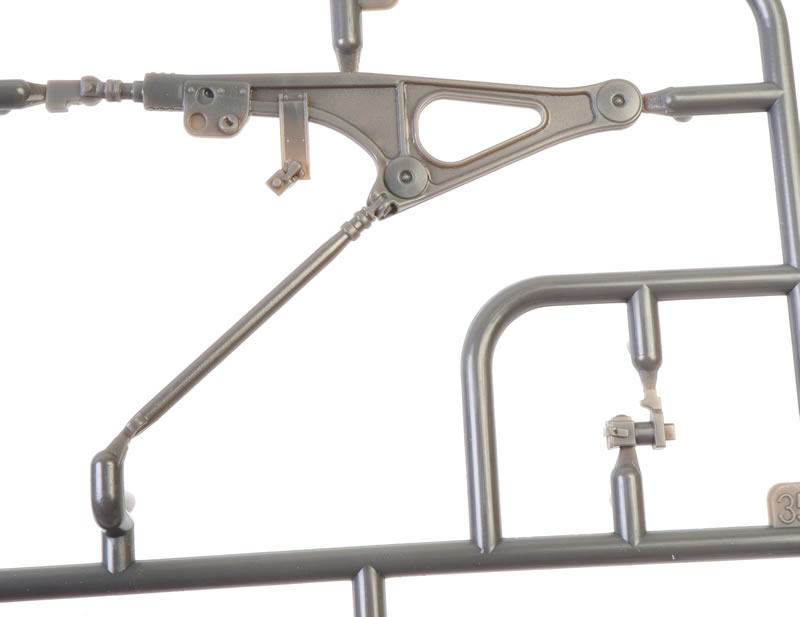
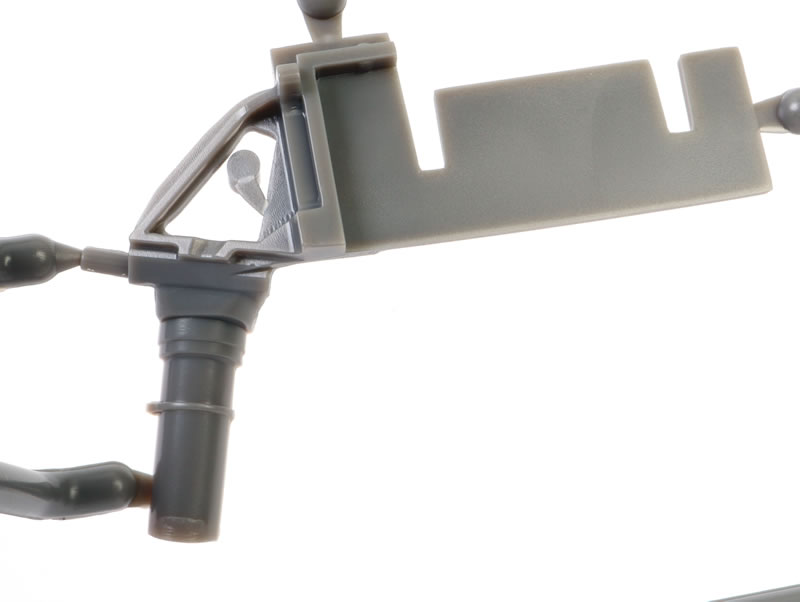
The upper undercarriage leg mounts are installed before closing the wing;. They do not protrude too far and they are robust but they should be handled with care after installation.
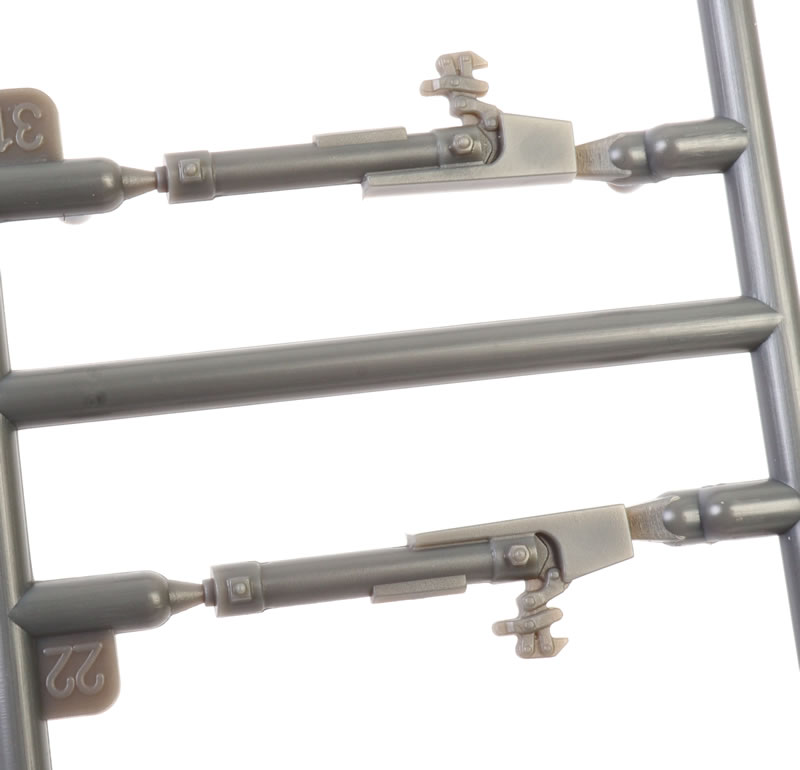
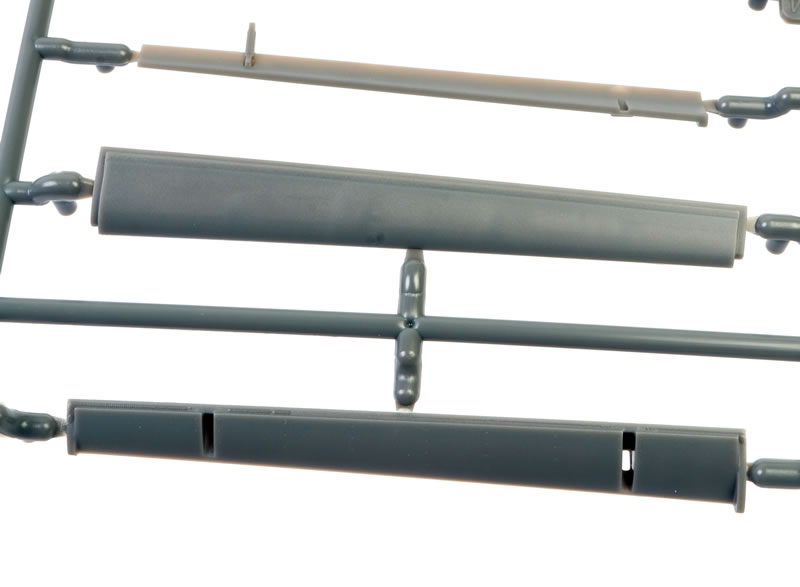
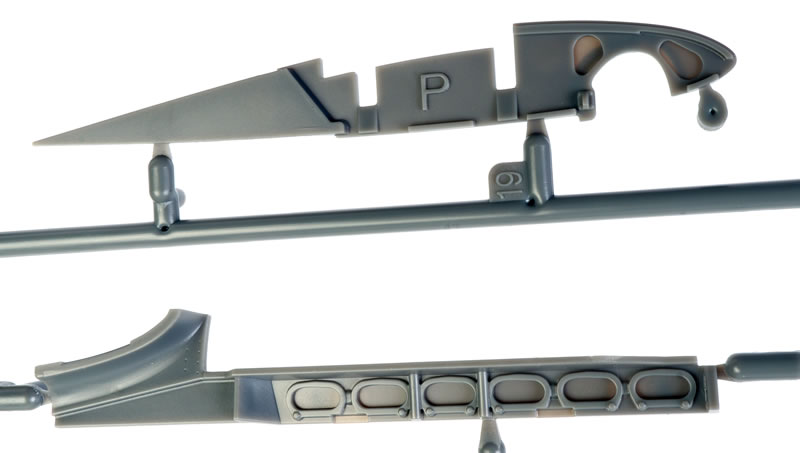
Control surfaces are positionable, while radiator flaps and ailerons may be set at different angles thanks to alternative hinge parts.
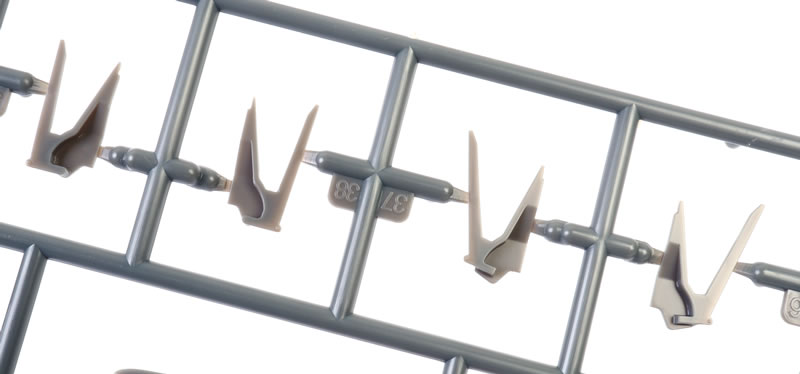
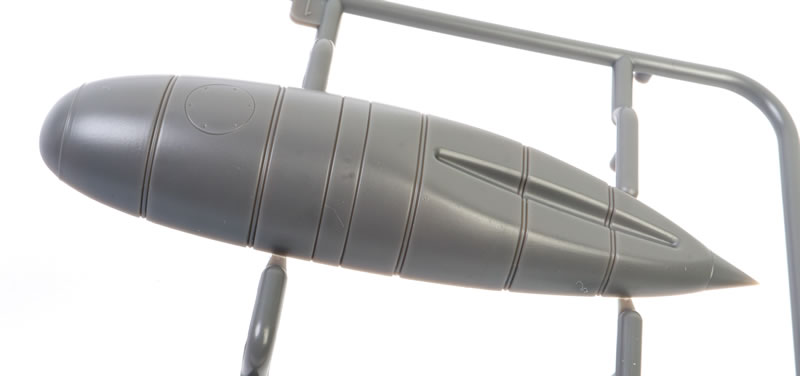
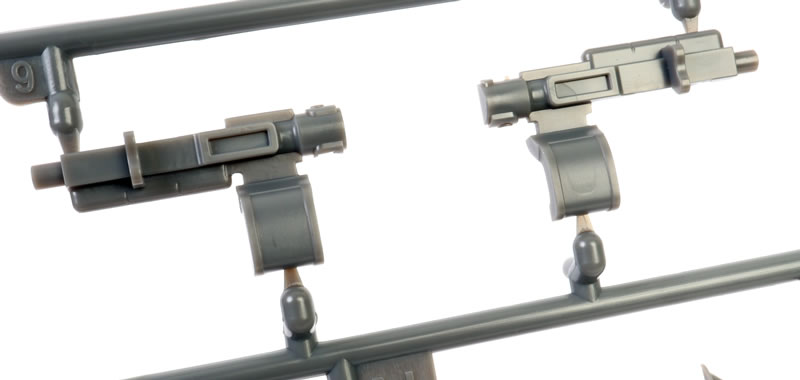
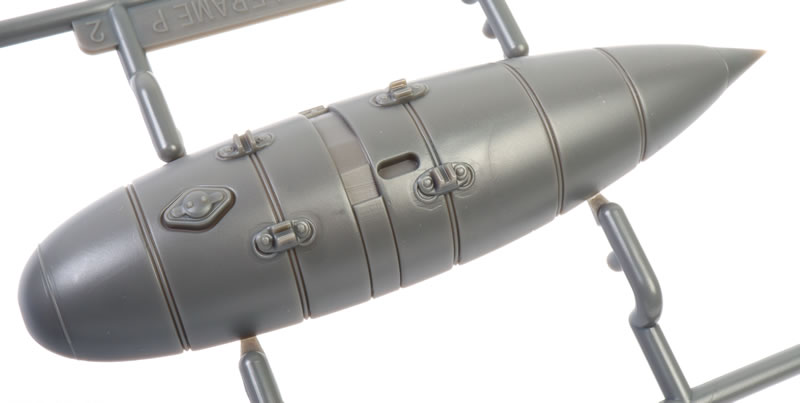
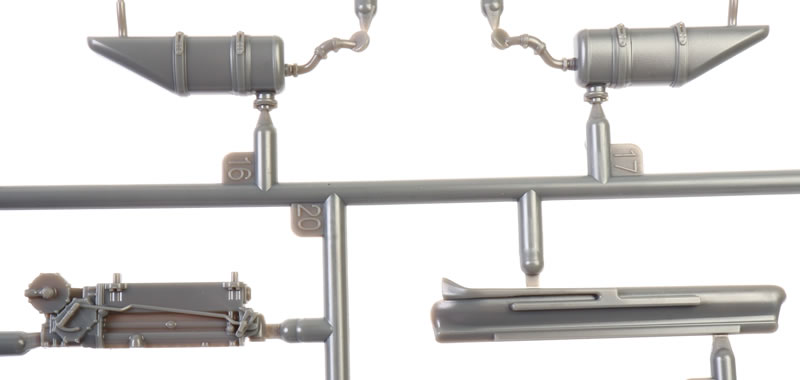
The MG 131 cowl gun assembly and optional under-wing gondolas are crisply detailed.
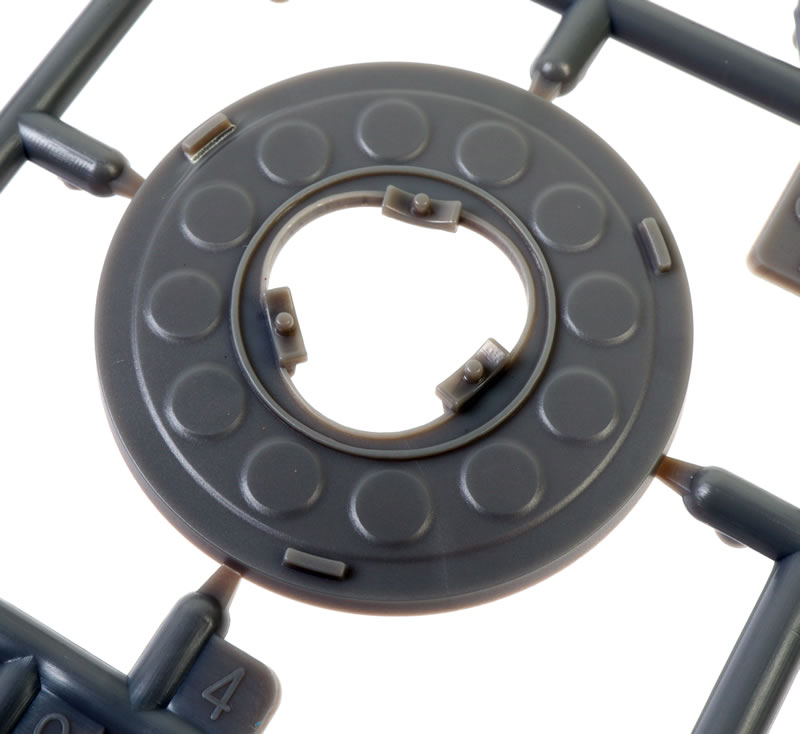
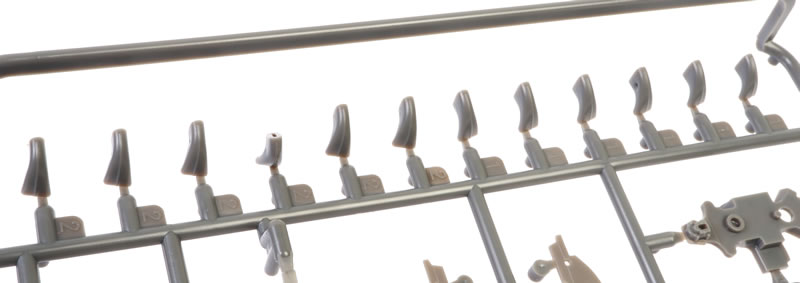
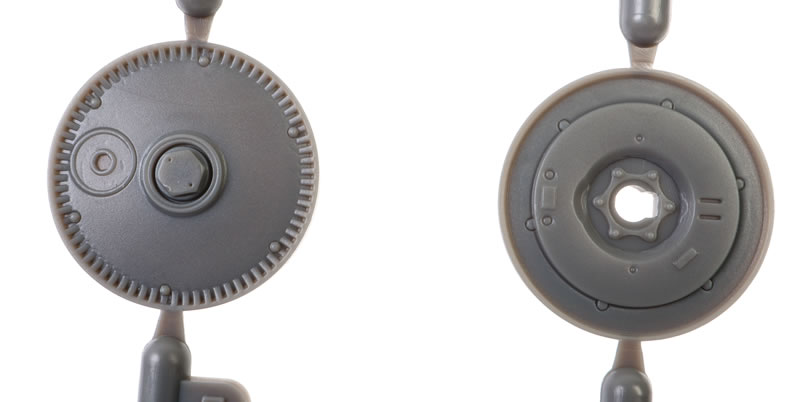
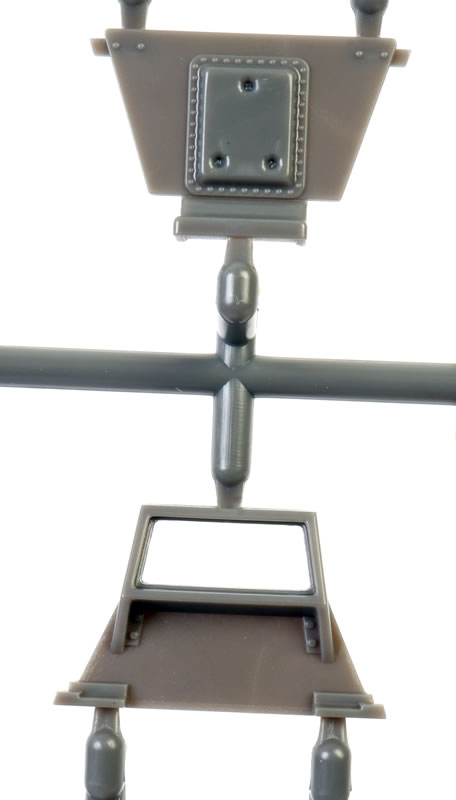
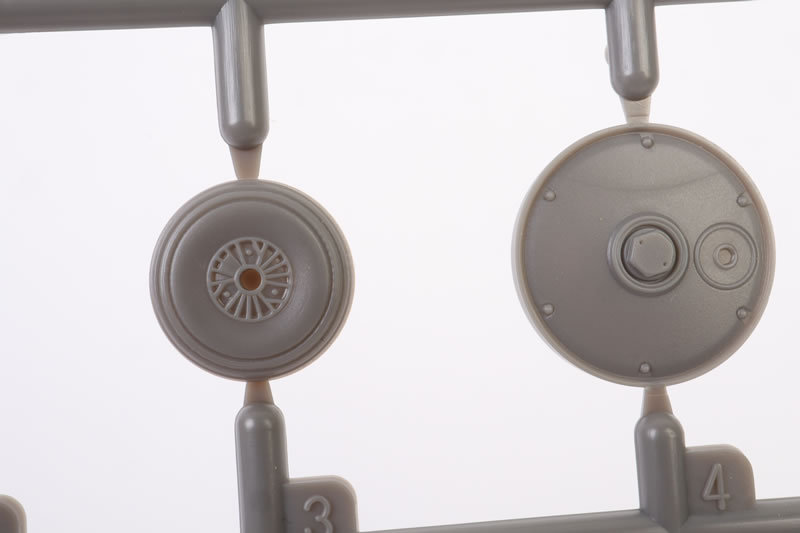
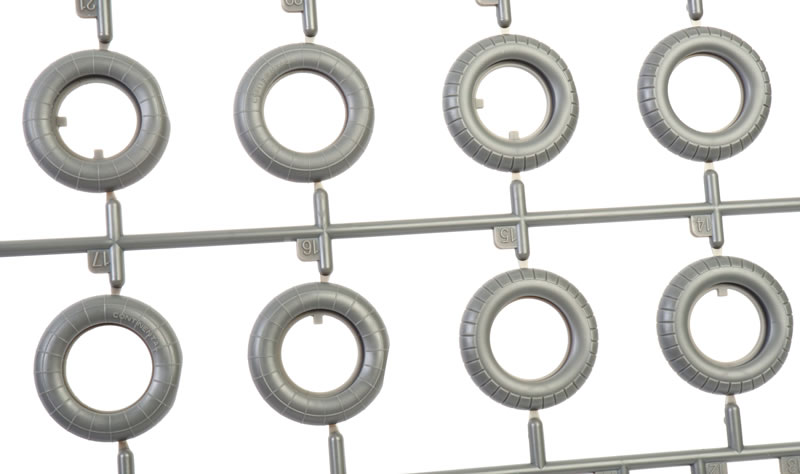
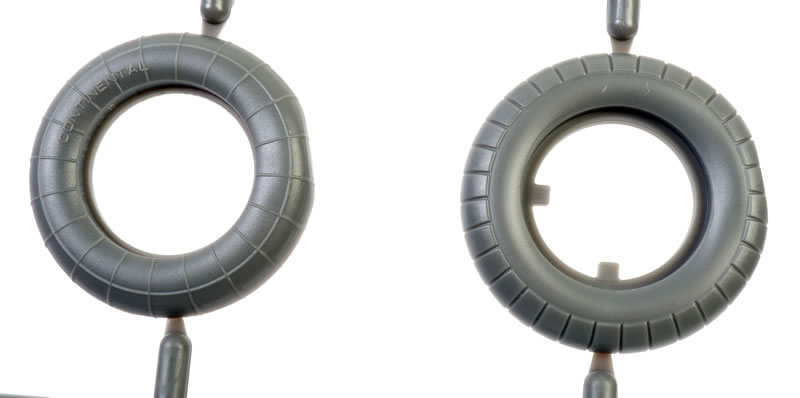
Two tread patterns and hub styles are supplied for the main wheels, both subtly weighted. The tail wheel strut may be built covered or uncovered. The tail gear bay cover may be built in place or open.
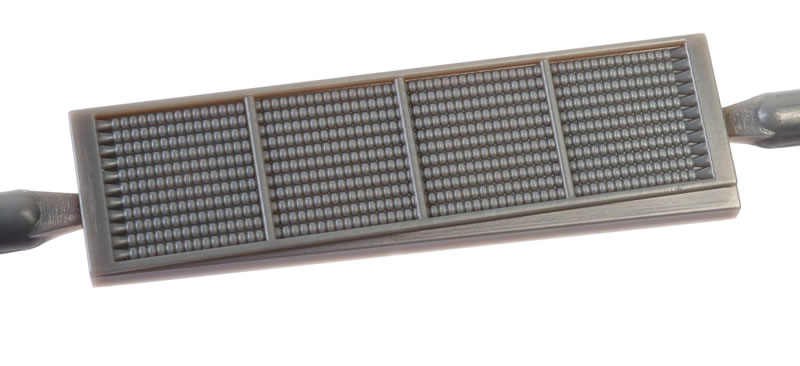
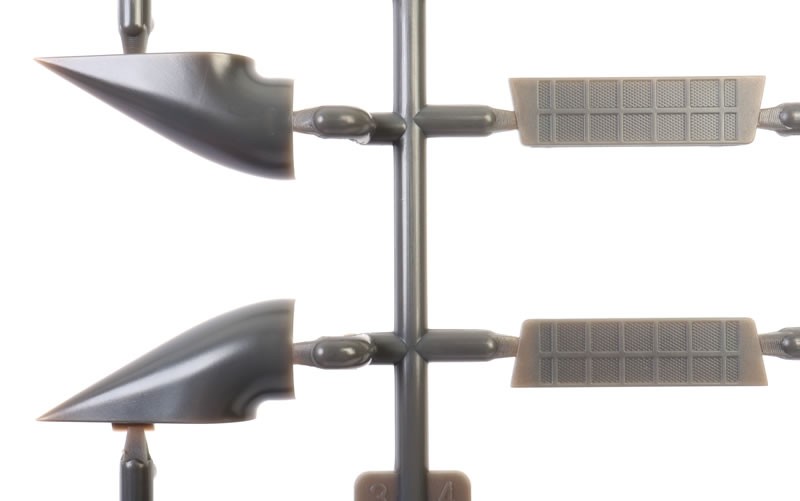
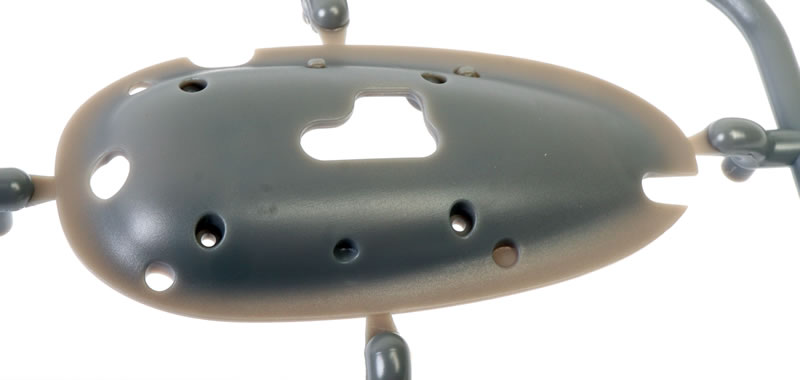
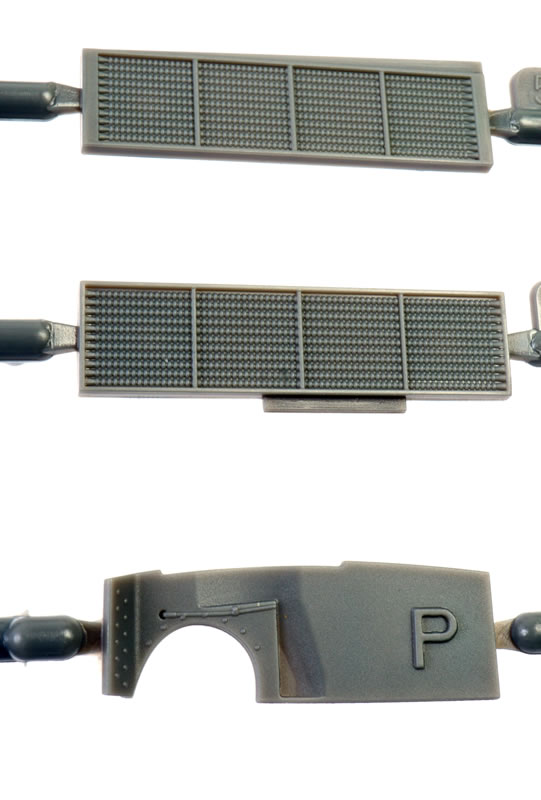
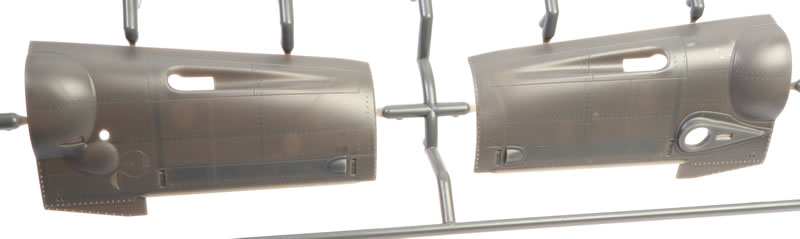
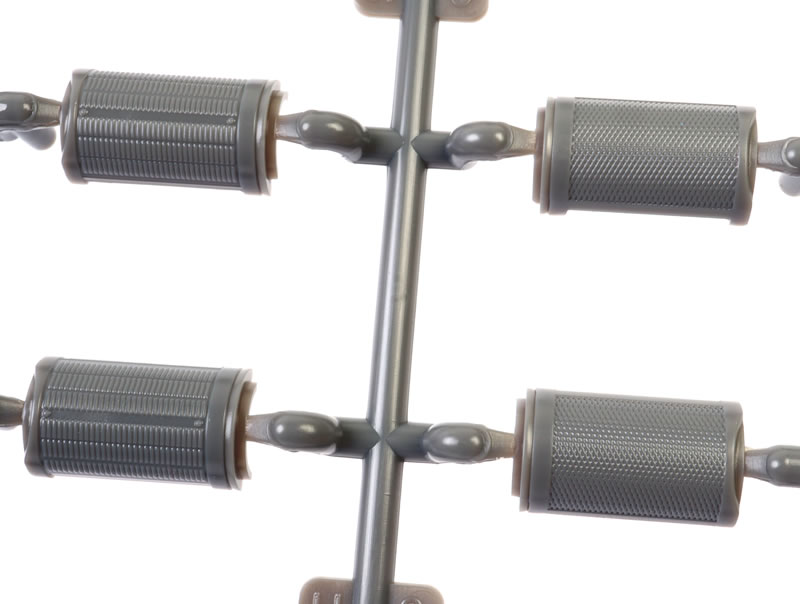
Airfix also includes two tropical intakes with different mesh patterns and two types of side cowlings—one with separate MG 131 trough insert and small compressor bulge, and another with pressed gun troughs and a plain starboard side.
The marking guide even specifies colours for the inside of the engine cowlings. Colour demarcations vary between the two styles.
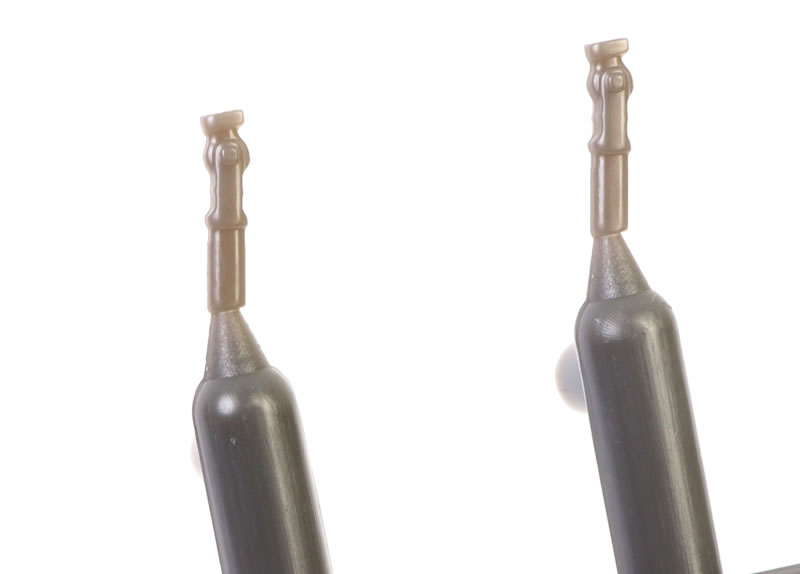
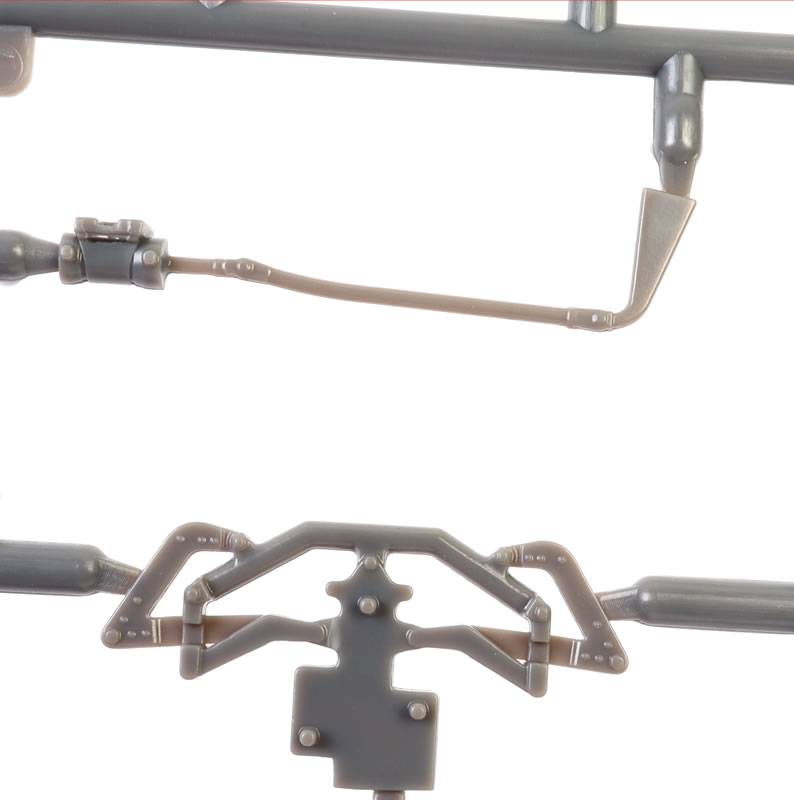
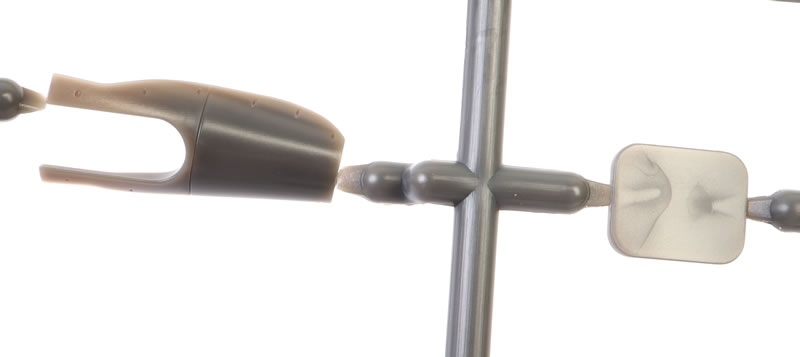
External details include a plastic DF loop, alternative antenna masts, pitot tube, and Morane mast with its clear insulator mount.
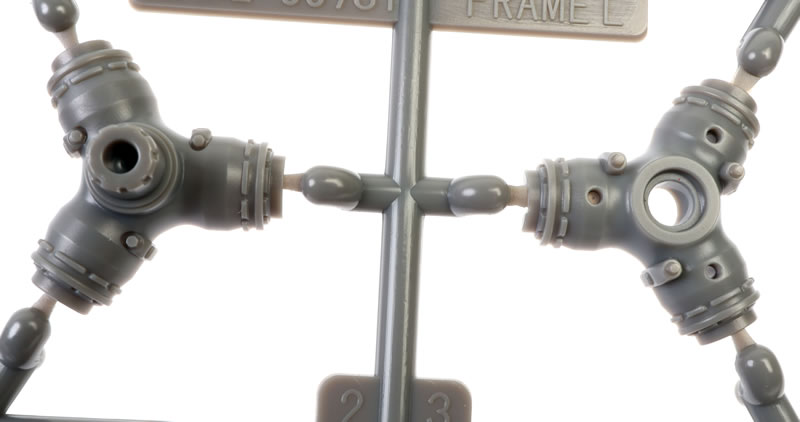
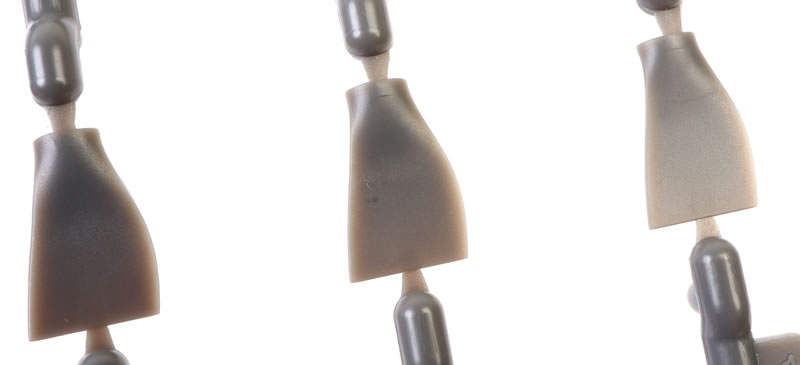
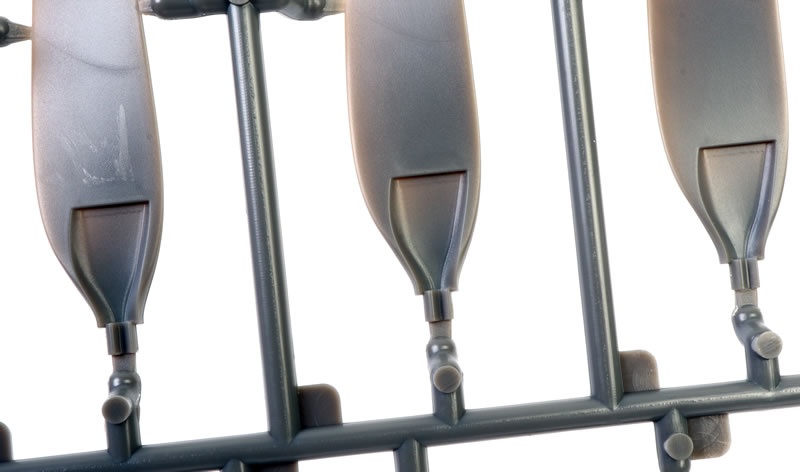
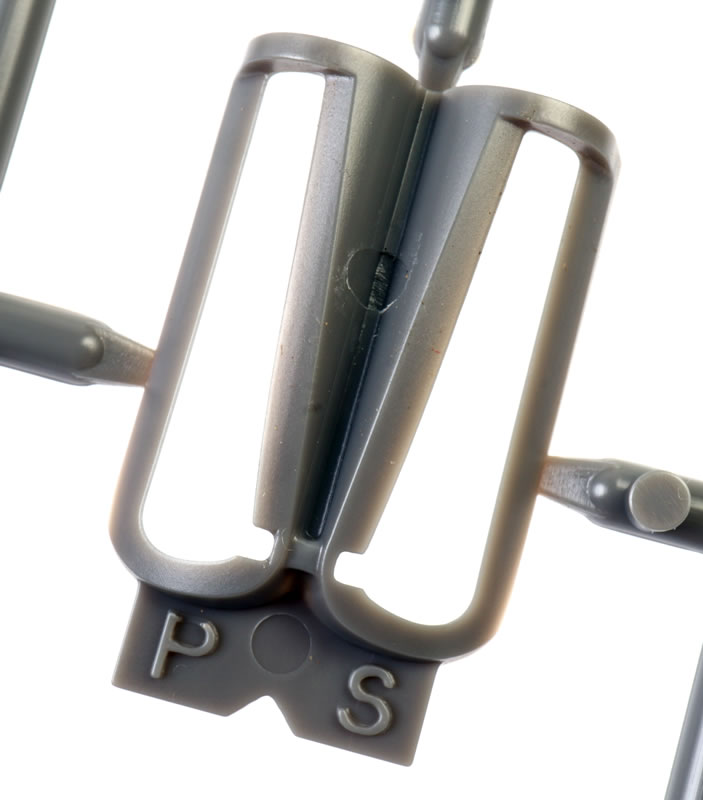
The propeller assembly is a surprisingly busy sub-set of 14 parts, including separate inserts behind each blade root.
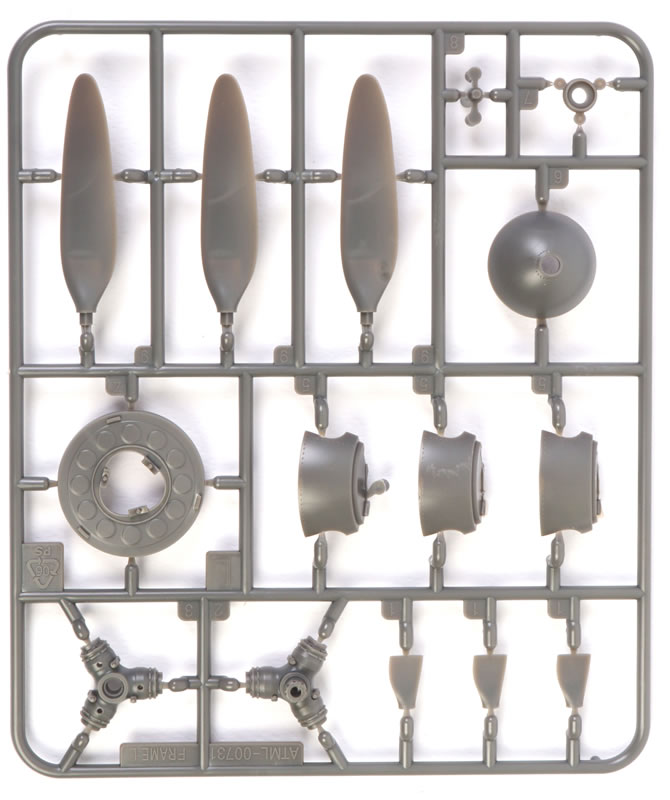
This feature will avoid sink marks in the thick mouldings.
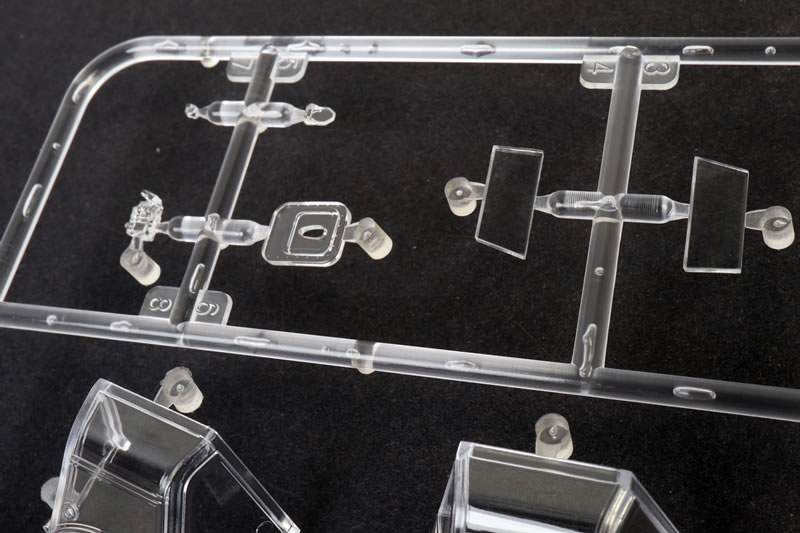
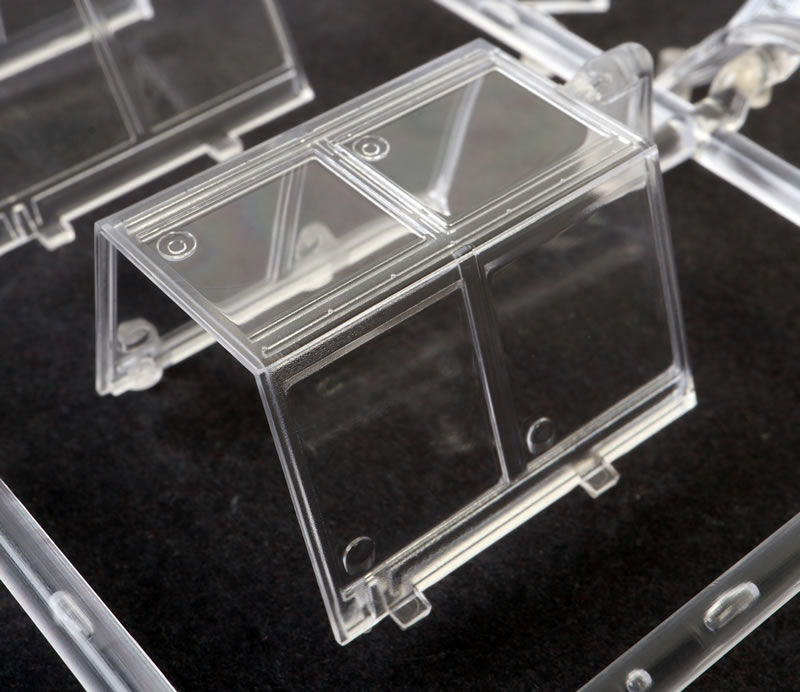
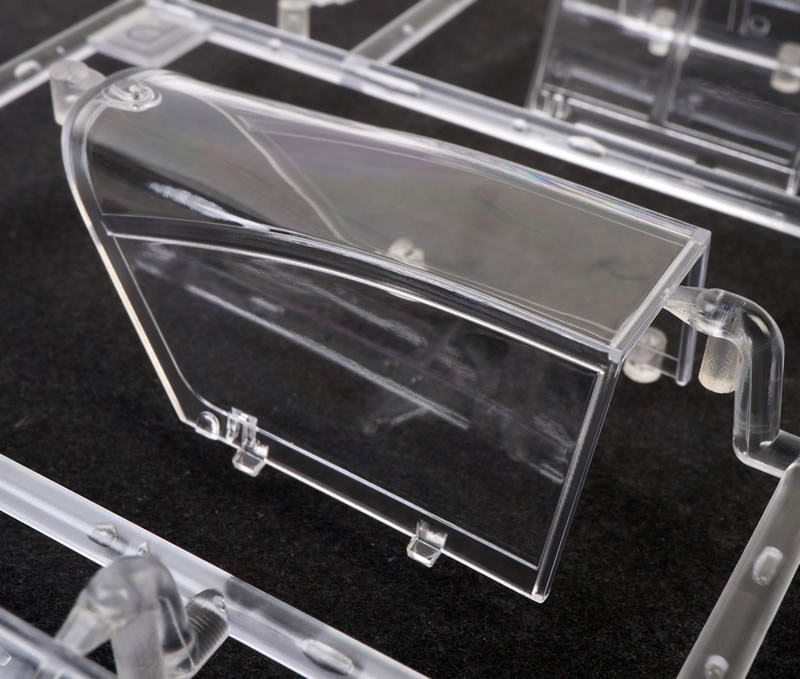
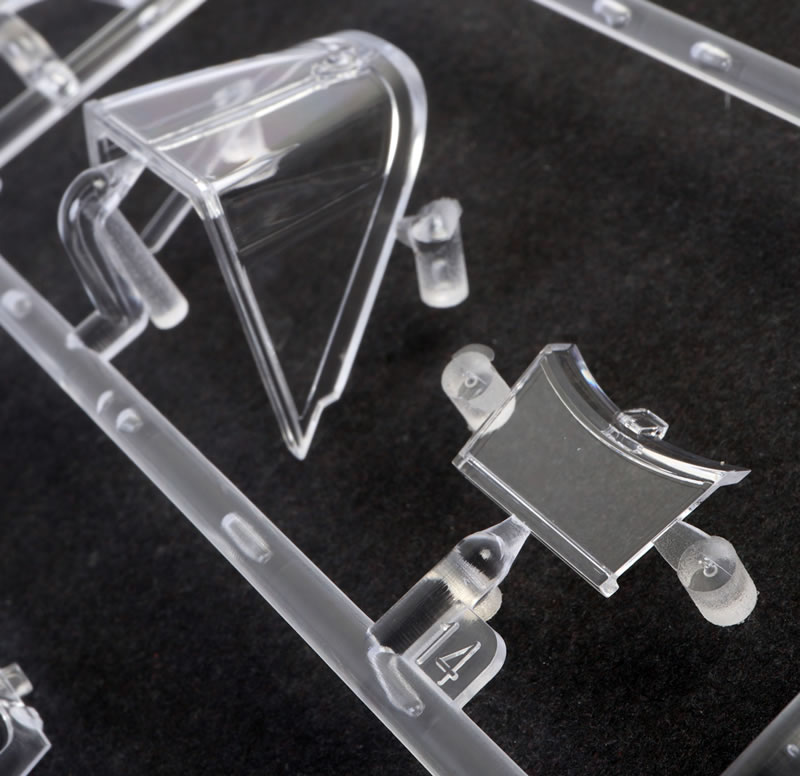
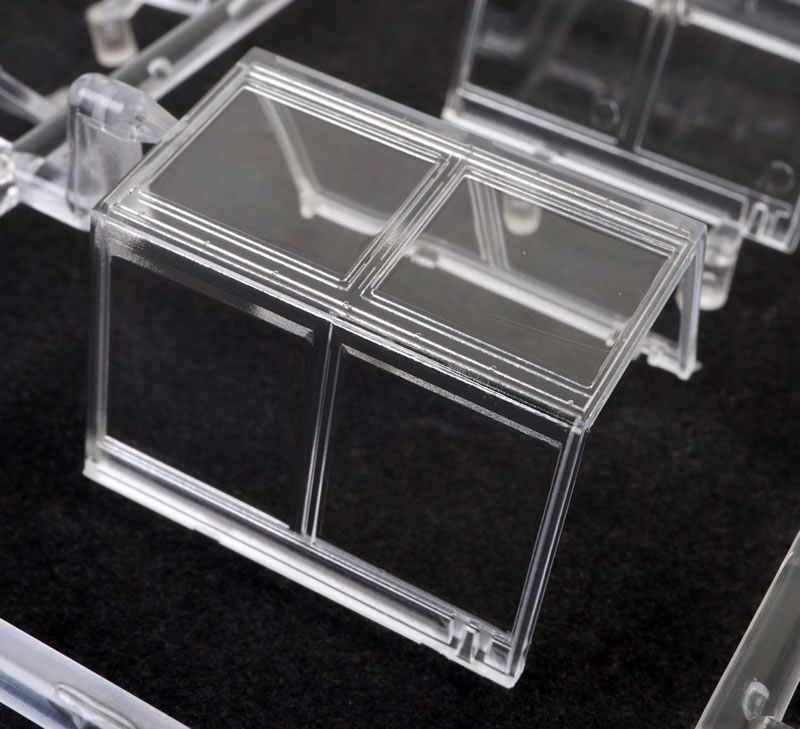
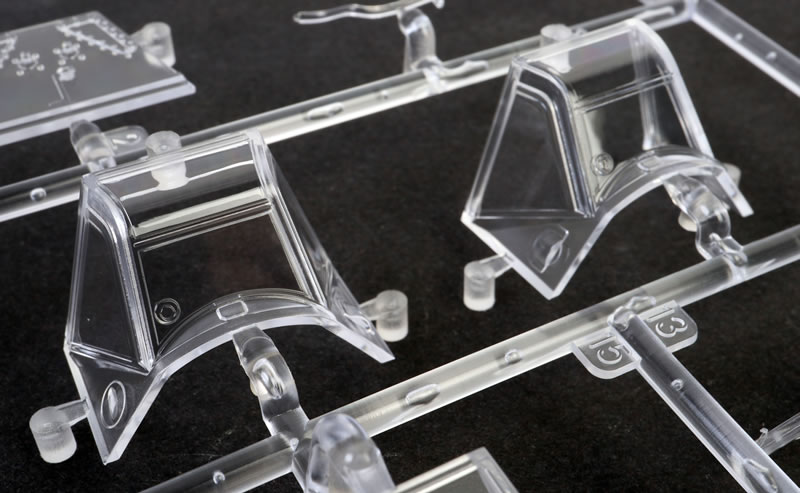
Both framed and Erla canopies are included. You will also find two styles of opening section (including the G-5 version with silica-gel capsules) and three types of head armour: standard metal plate, Galland Panzer, and the sealed pressurised version with small corner windows.
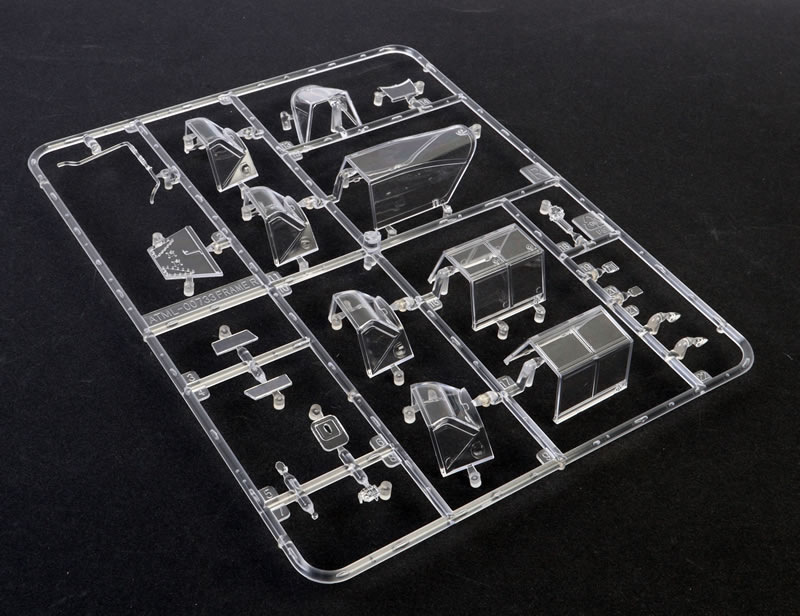
Revi C/12D and Revi 16B gunsights are provided on the clear sprue.
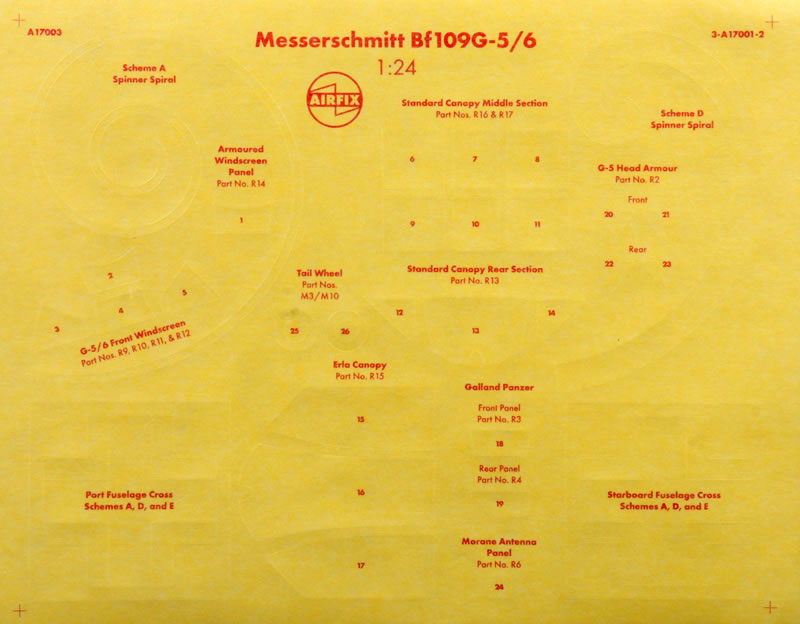
Self-adhesive masks for the canopy, wheels and even the spinner spiral are included.
Markings
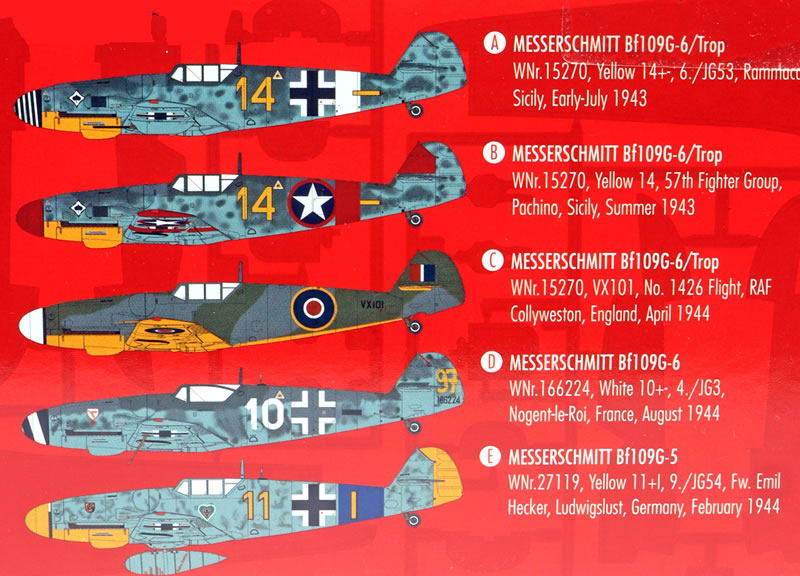
Five marking options are offered.
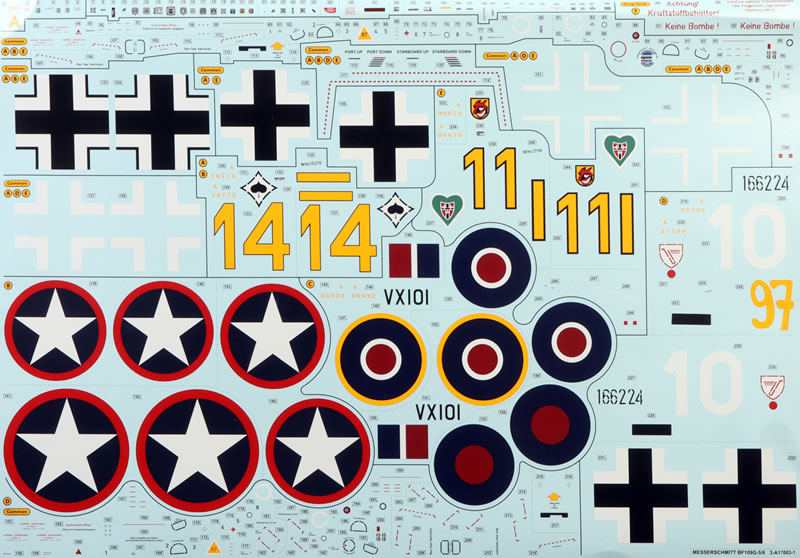
The decal sheet is glossy, in perfect registration and well saturated.
-
Messerschmitt Bf 109 G-6/Trop, W.Nr. 15270, Yellow 14+-, 6./JG53, Rammaca, Sicily, Early-July 1943
-
Messerschmitt Bf 109 G-6/Trop, W.Nr. 15270, Yellow 14, 57th Fighter Group, Pachino, Sicily, Summer 1943
-
Messerschmitt Bf 109 G-6/Trop, W.Nr. 15270, VX101, No. 1426 Flight, RAF Collyweston, England, April 1944
-
Messerschmitt Bf 109 G-6, W.Nr. 166224, White 10+-, 4./JG3, Nogent-le-Roi, France, August 1944
-
Messerschmitt Bf 109 G-5, W.Nr. 27119, Yellow 11+I, 9./JG54, Fw. Emil Hecker, Ludwiglust, Germany, February 1944
Stencils, engine markings and instrument dial decals are also included.
Warpage
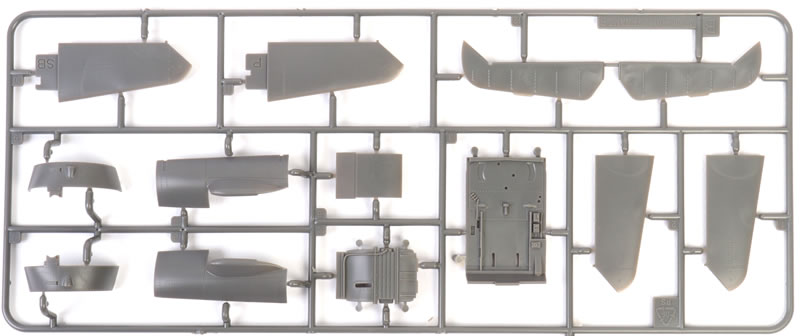
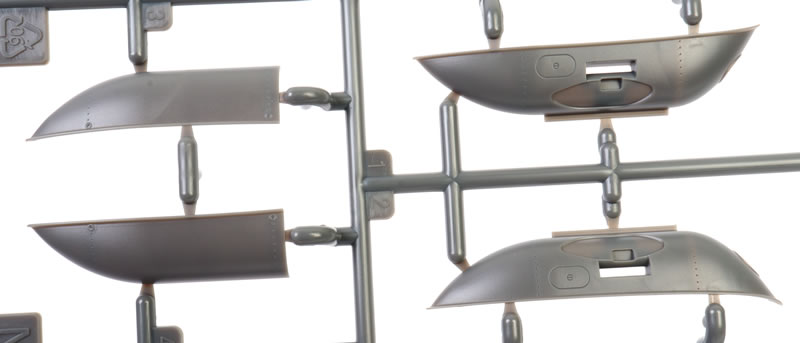
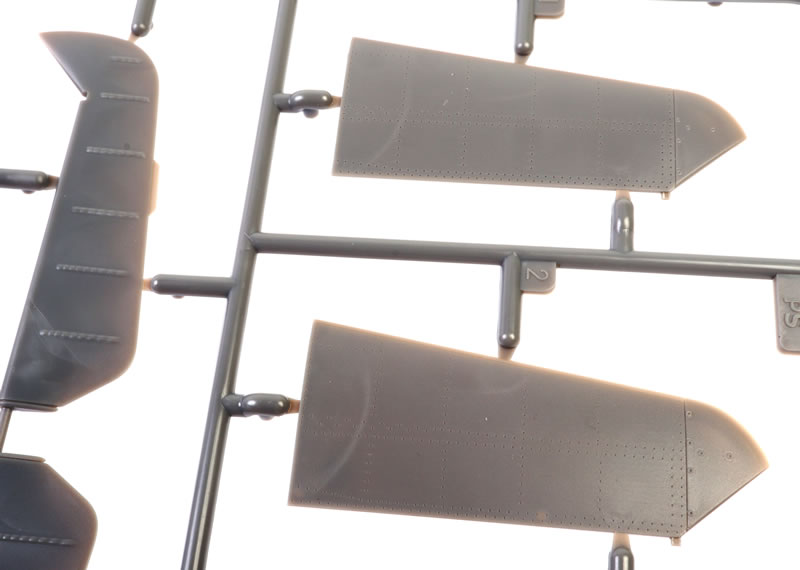
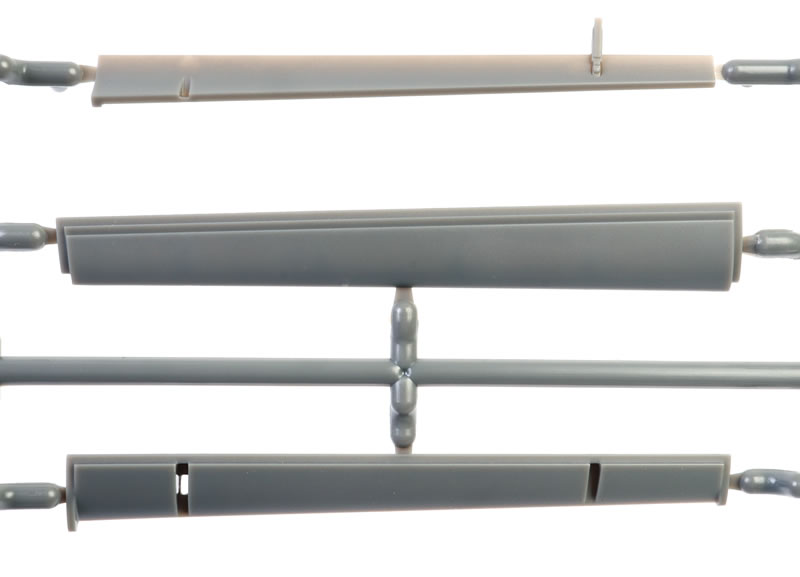
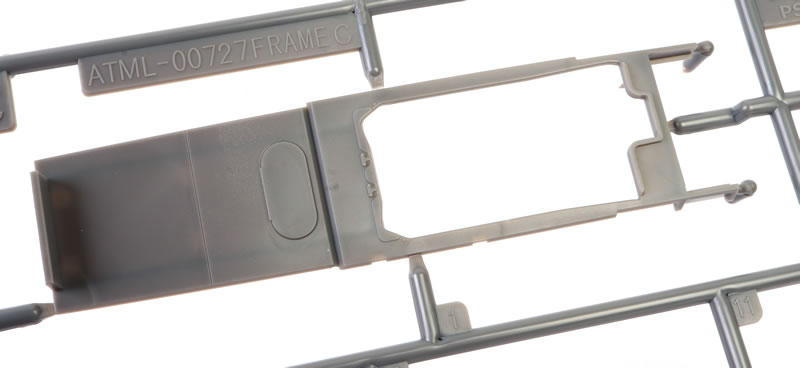
I have heard a few reports of the kit suffering warpage in various places. Checking my kit, I did not initially find any problems, but on closer examination there is some warpage on the top trailing edge of one of the ailerons, Part E4.
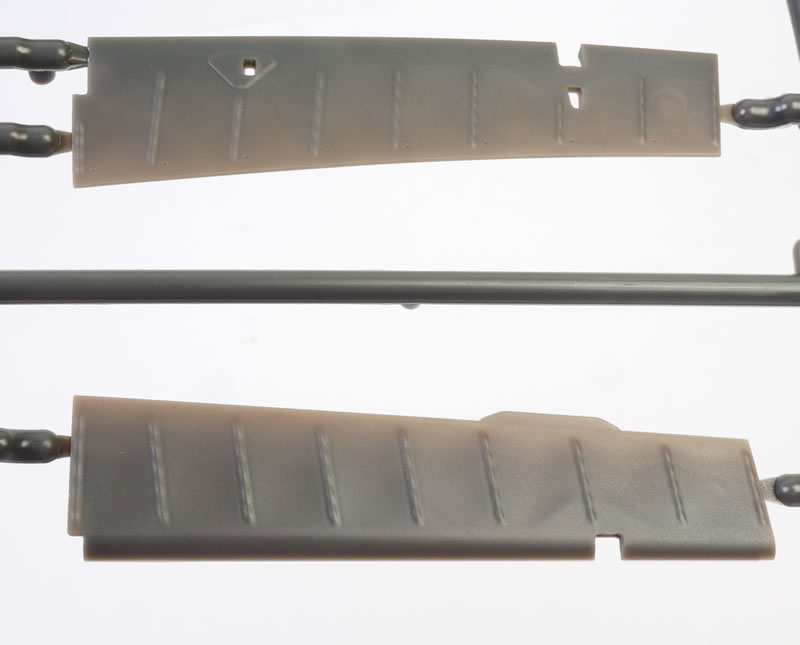
I have cut the two parts from the offending ailron. Simply gluing the parts together then clamping fixes the issue completely.
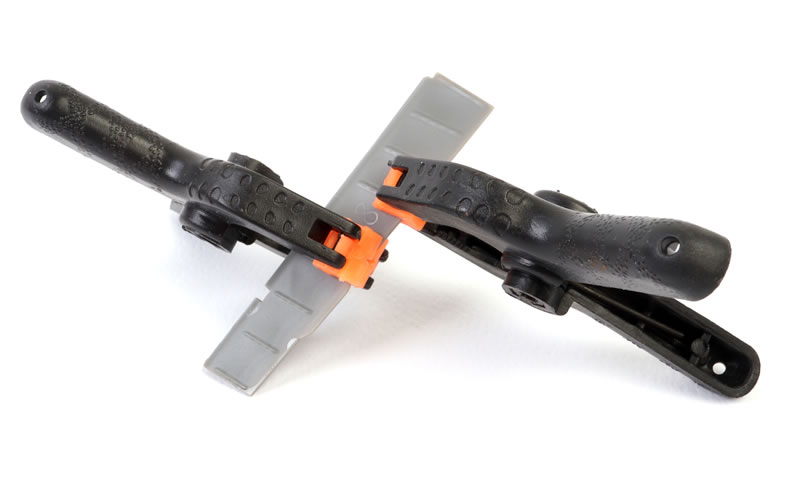
No biggie, I'd say, but by all means check your sprues carefully.
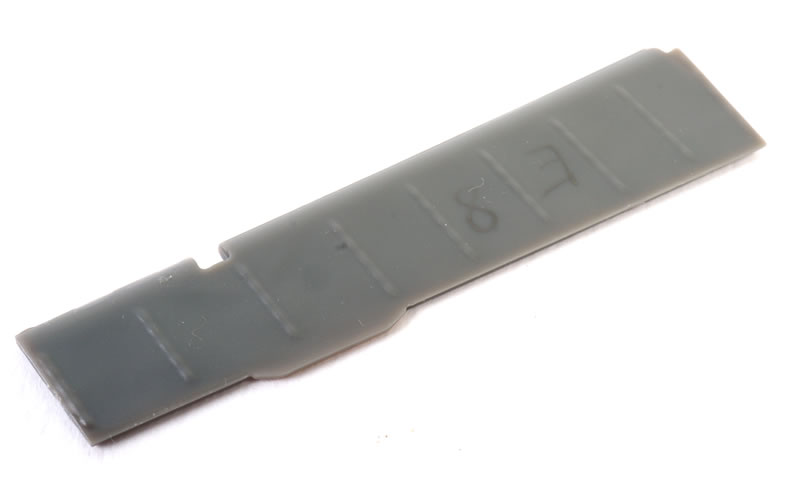
Ah - now that I have glued two parts together should I keep going?
The new Airfix 1:24 scale Messerschmitt Bf 109 G-6 is an impressive achievement—ambitious in scope, lavish in detail and cleverly engineered throughout.
The combination of fine surface textures, thoughtful parts breakdown and the level of cockpit and engine detail places this firmly amongst the best large-scale models Airfix has ever produced. Choosing your engine and cowling configuration early on is the only significant planning requirement, but the instructions guide the modeller with clarity.
Whether displayed buttoned-up as a sleek Gustav or opened to reveal its highly detailed DB 605A, this kit will be a rewarding build and a truly imposing finished model.
Highly Recommended.
Sample purchased by reviewer from Hannants
Text and Images Copyright © 2025 by Brett Green
Page Created 5 December, 2025
Last updated
5 December, 2025
Back to HyperScale Main Page |
 Home
| What's New |
Features |
Gallery |
Reviews |
Reference |
Forum |
Home
| What's New |
Features |
Gallery |
Reviews |
Reference |
Forum |