Gloster Meteor F.8 / FR.9
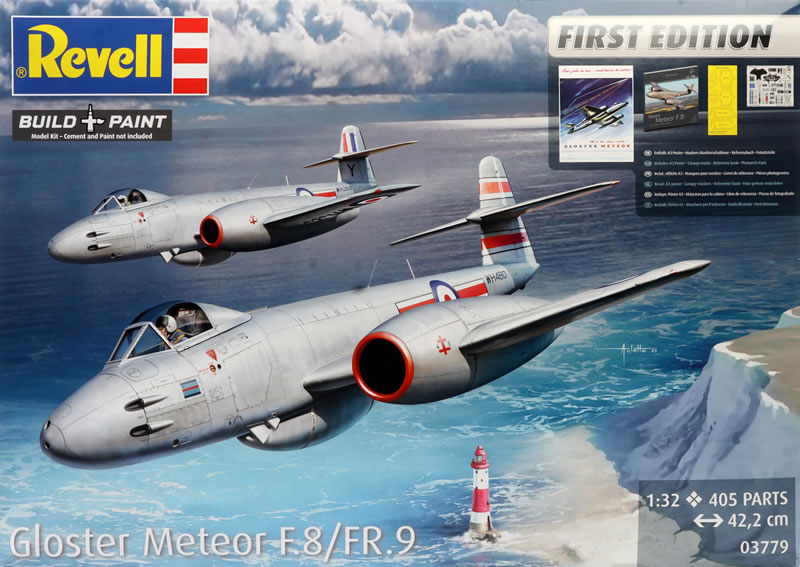
Revell,
1/32 scale
S
u m m a r y : |
Description and Item No.: |
Revell Kit No. 03779 - Gloster Meteor F.8 / FR.9 |
Contents and Media: |
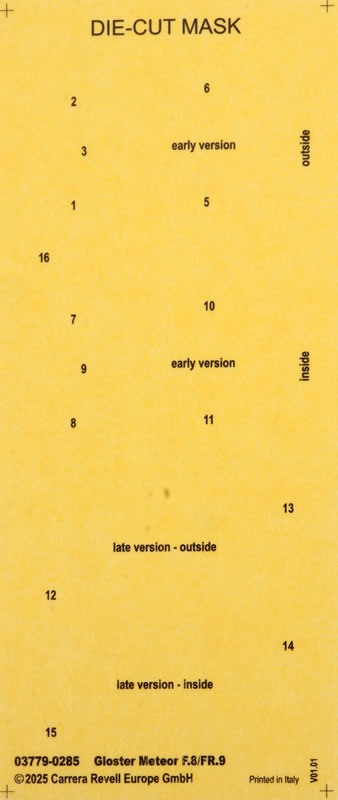
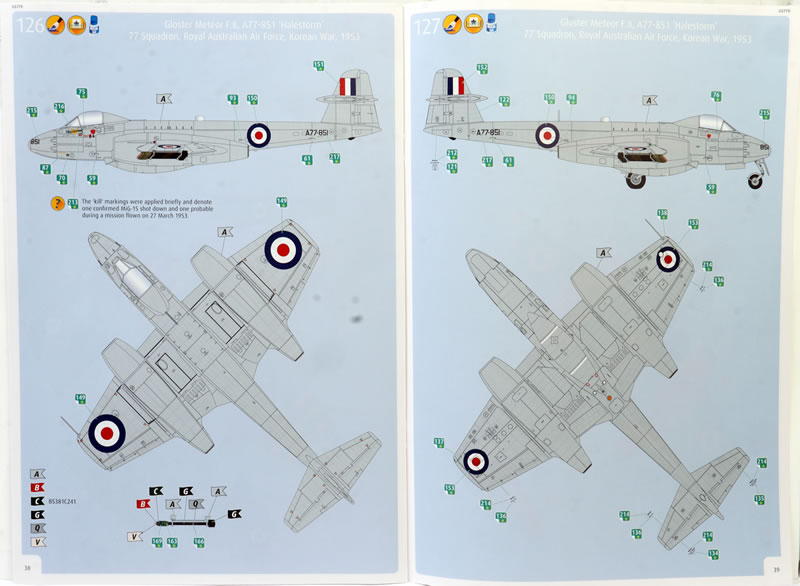
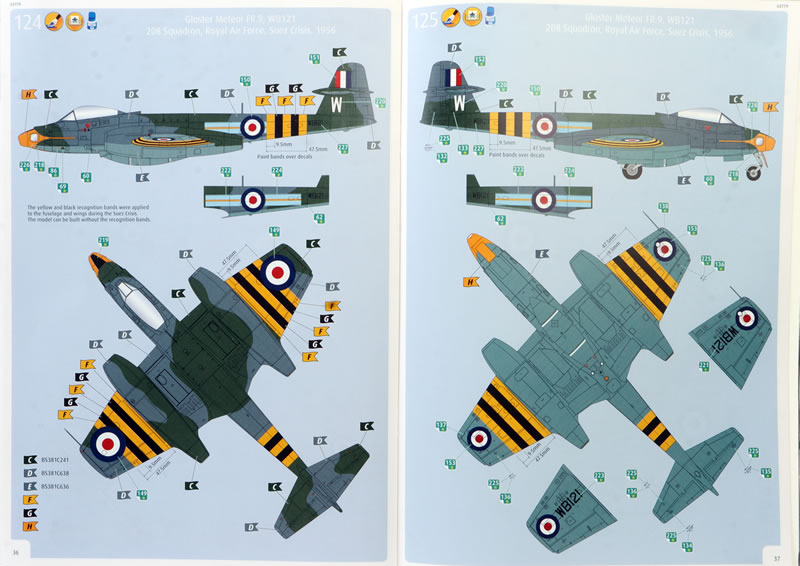
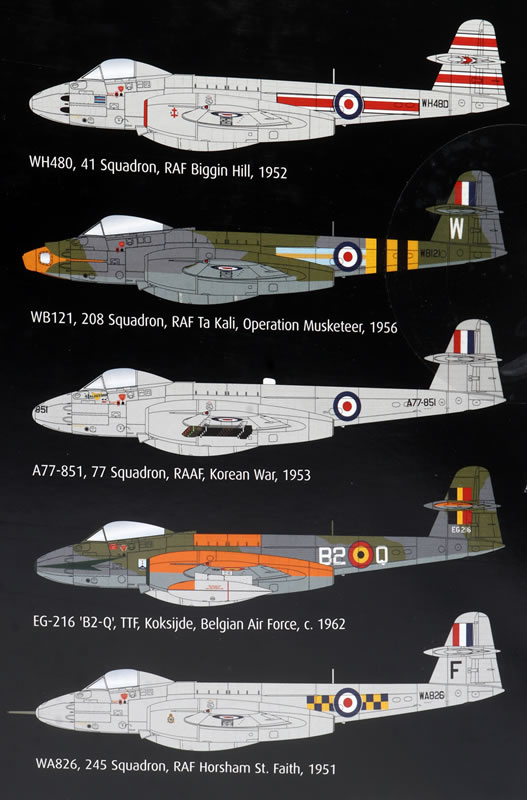
388 pieces moulded in dark grey plastic; 17 clear plastic parts; one colour photo-etched fret; self-adhesive die-cut masks for canopy and wheels; markings for five nicely varied options, marking guide; 48 page instructions. |
Price: |
GBP £109.99 EU Price (£91.66 Export Price) Plus Shipping at Hannants |
Scale: |
1/32 |
Review Type: |
First Look |
Advantages: |
Convincing surface textures including recessed panel lines and rivets; high level of detail; dropped or raised flaps and speed brakes; alternative parts for canopy, engine display, PR nose and more; perfectly printed decals; good outline and detail accuracy. |
Disadvantages: |
None noted |
Recommendation: |
Revell’s 1/32 Gloster Meteor F.8 / FR.9 First Edition is a landmark release in large-scale British jet modelling. It offers an impressive balance of detail, accuracy, and versatility, from the busy, authentic cockpit and fully modelled engines to the multiple canopy, intake, and armament options.
The inclusion of photo-etched parts, masks, and pilot figure demonstrates a thoughtful approach that will be appreciated by both experienced modellers and those new to this large scale.
While the kit will demand some patience and attention, the rewards will by substantial: an authentic representation of one of Britain’s first post-war jet fighters, fully equipped for either fighter or reconnaissance versions.
This is a model that belongs at the centre of any serious 1/32 jet collection.. |
Reviewed by Brett Green

Background
The Gloster Meteor F.8 represented the pinnacle of Britain’s first-generation jet fighter development—a refined, purposeful evolution of the wartime Meteor lineage.
Introduced in the late 1940s, the F.8 incorporated a lengthened fuselage, revised tail surfaces and the more powerful Rolls-Royce Derwent 8 engine, addressing the handling quirks of earlier marks while delivering a welcome increase in speed and agility. The result was a clean, muscular fighter that finally realised the Meteor’s full potential.
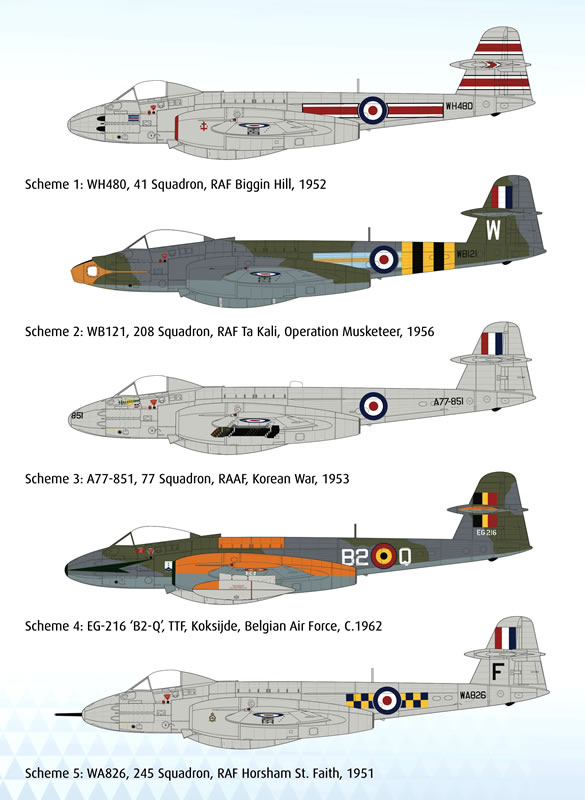
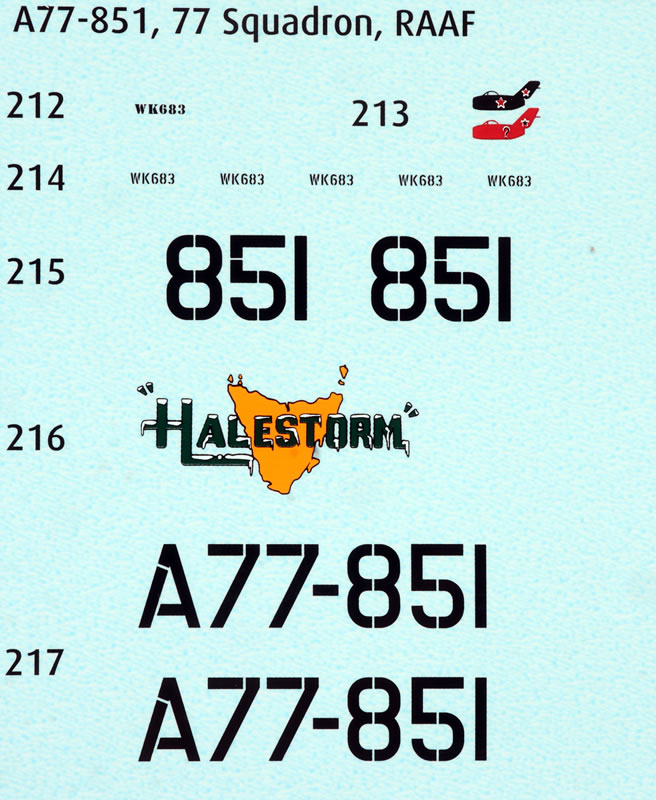
Operationally, the F.8 became the RAF’s premier day fighter during the early Cold War. It equipped frontline units across the UK and Europe, and—most famously—served with distinction in Korea. No. 77 Squadron RAAF flew the type in intense ground-attack and interdiction operations, often against heavy flak and in challenging weather. Although outperformed in pure air-to-air combat by the swept-wing MiG-15, the F.8 proved tough, reliable and highly effective in its assigned roles. Its straight-wing layout limited top-end performance, yet the Meteor’s stability, firepower and rugged construction made it a favourite among pilots.
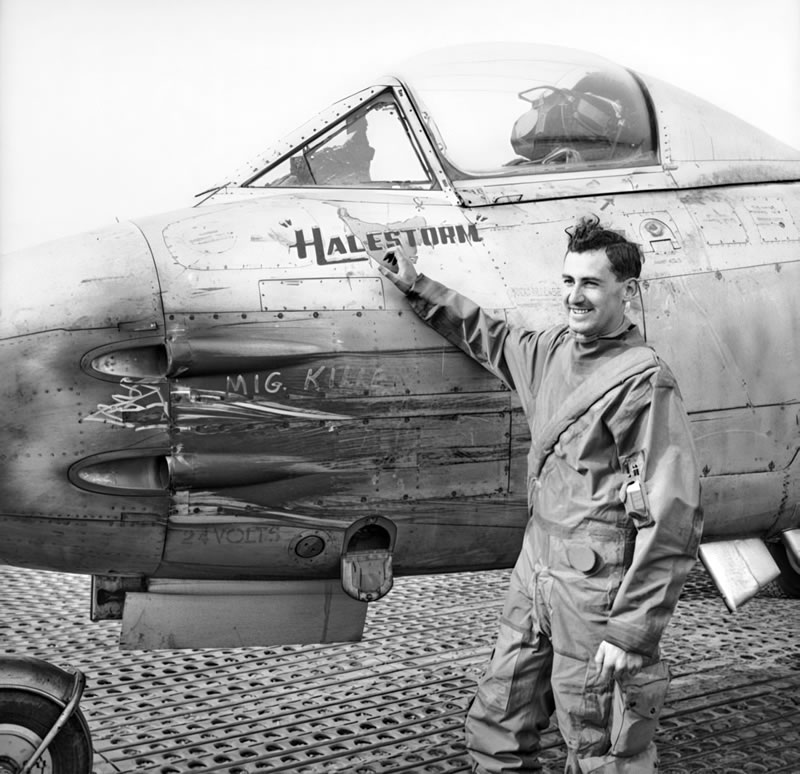
Compared with its contemporaries—the F-86 Sabre, MiG-15, and de Havilland Vampire—the Meteor F.8 sat at an interesting crossroads. It lacked the transonic capability of the newest swept-wing fighters, but remained an essential stepping stone in Britain’s jet evolution, bridging wartime technology and the emerging second-generation designs.
In service and in hindsight, the Meteor F.8 established itself as an important landmark in early jet aviation.
Meteor FR.9
The Meteor FR.9 combined the F.8’s improved fuselage, wings, and Derwent 8 engines with a modified nose housing a suite of cameras for tactical photo-reconnaissance.
Operationally, the FR.9 served with RAF squadrons in Europe and the Middle East, providing vital intelligence in the early Cold War period and complementing fighter operations with up-to-date aerial photography.
While the aircraft retained the Meteor’s straight-wing configuration and handling characteristics, its reconnaissance role required longer missions at moderate altitude, making it an invaluable asset for mapping, battlefield observation, and route reconnaissance until replaced by the Canberra and other higher-performance jet reconnaissance types.
Meteor Kits in 1/32 scale
Until now, the only path to a 1/32 scale Meteor F.8 has been the Fisher Model & Pattern conversion based on the HK Models Meteor F.4.
This combination delivered a very respectable result but the Fisher conversion is no long out of production.
The Revell 1/32 Gloster Meteor F.8/FR.9 First Edition generated a buzz in the modelling community — and with good reason. Initially touted as a Meteor F.3, the variant changed to the F.8 / FR.9 sometime between announcement and release. I was pleased to hear about the change.
This is the first mainstream injection moulded 1:32 scale Meteor F.8/FR.9 available.
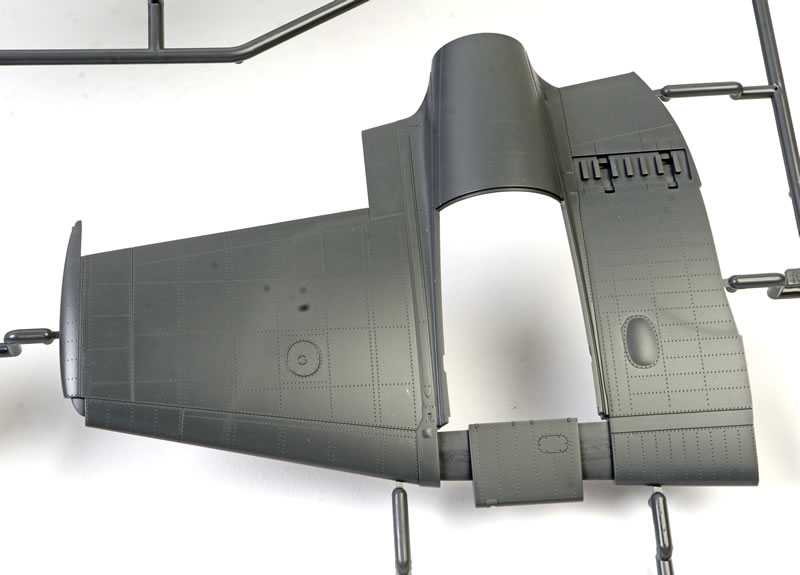
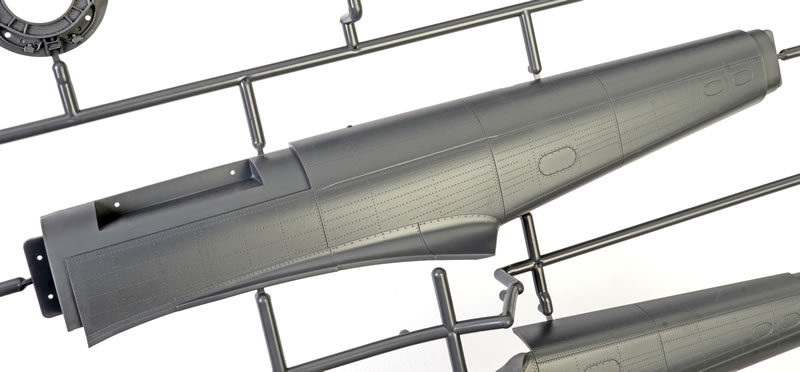
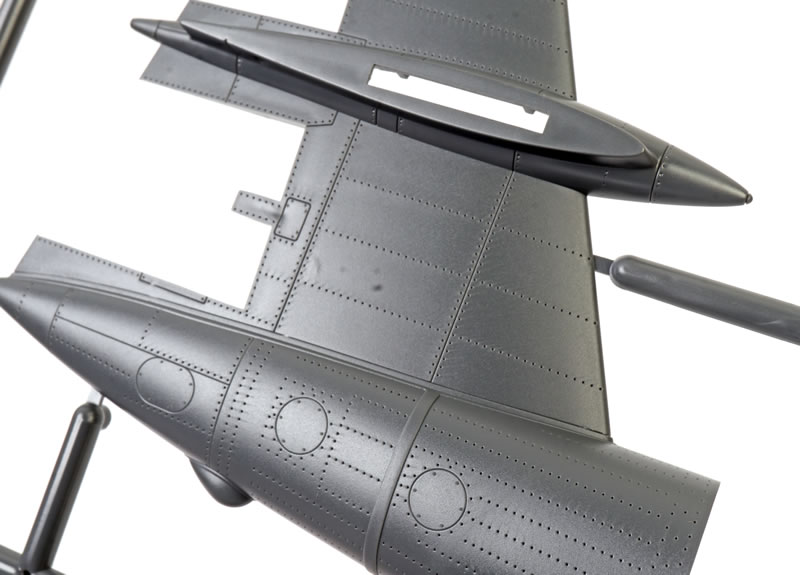
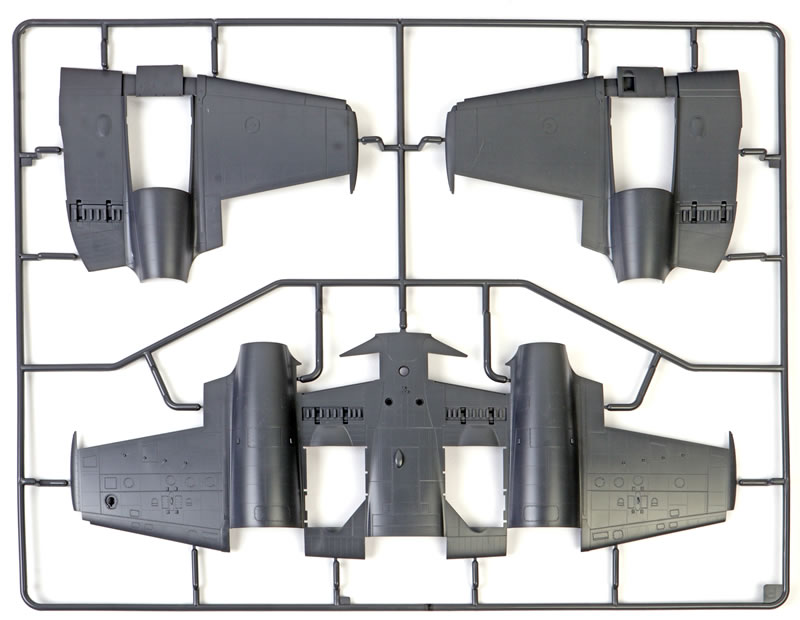
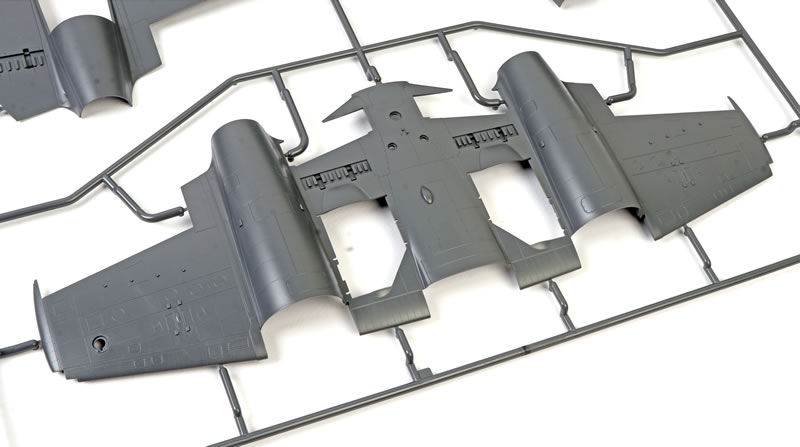
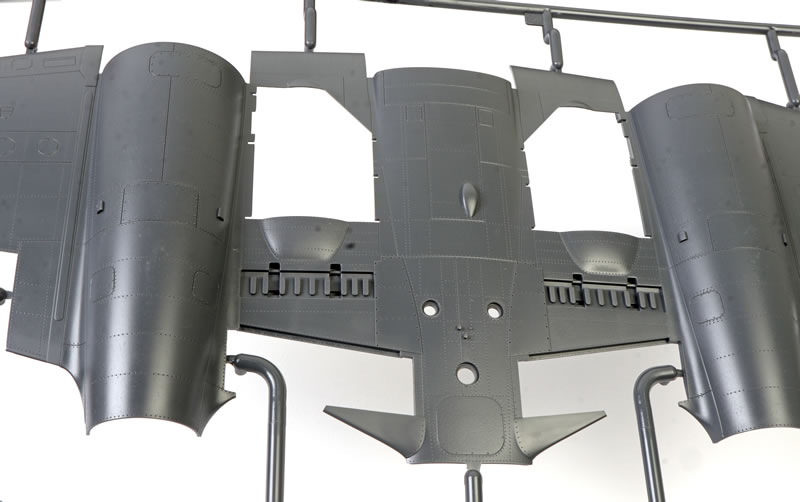
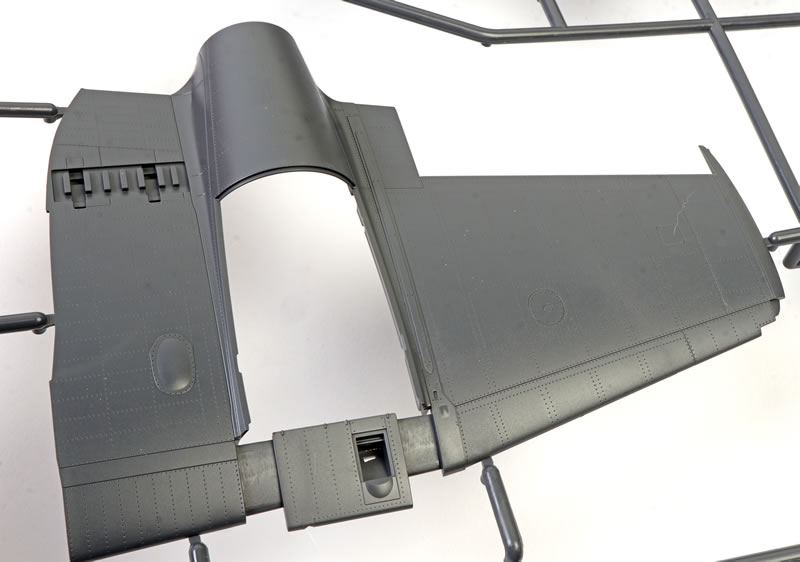
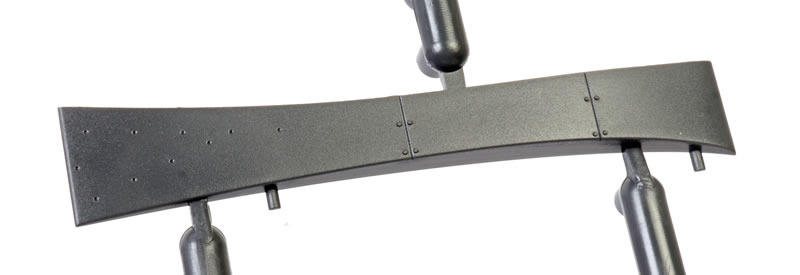
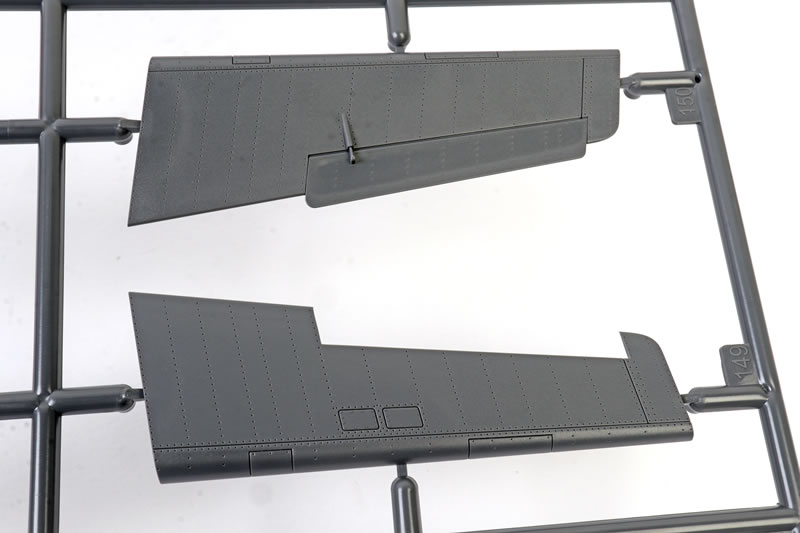
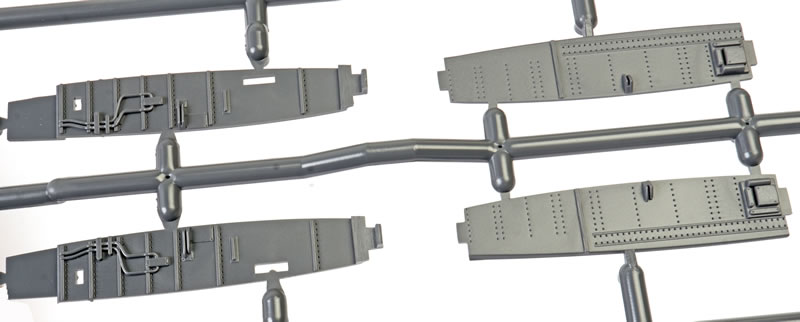
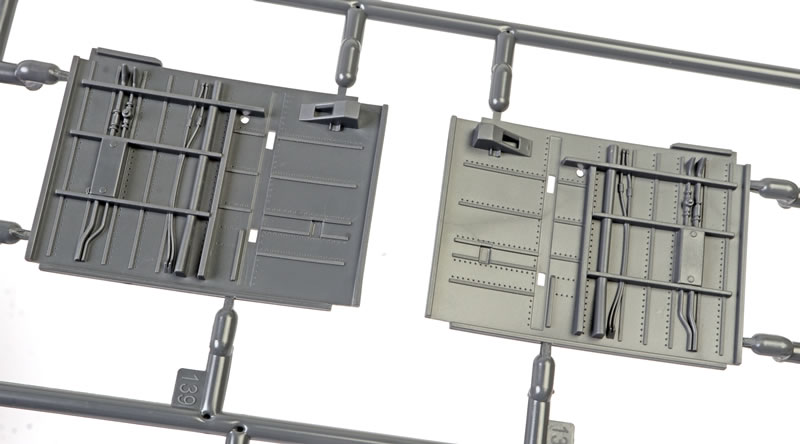
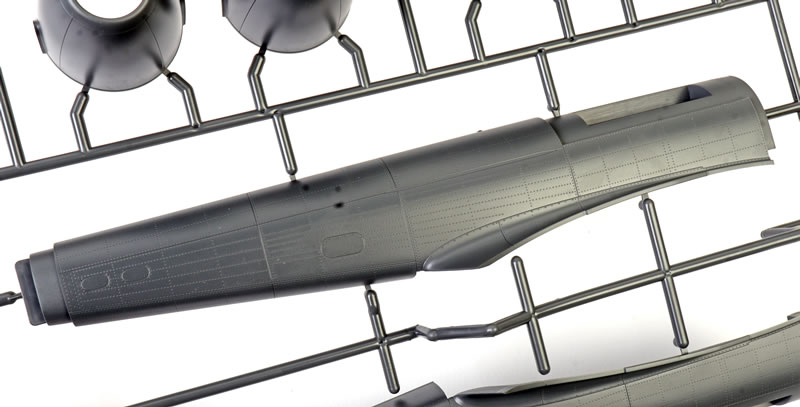
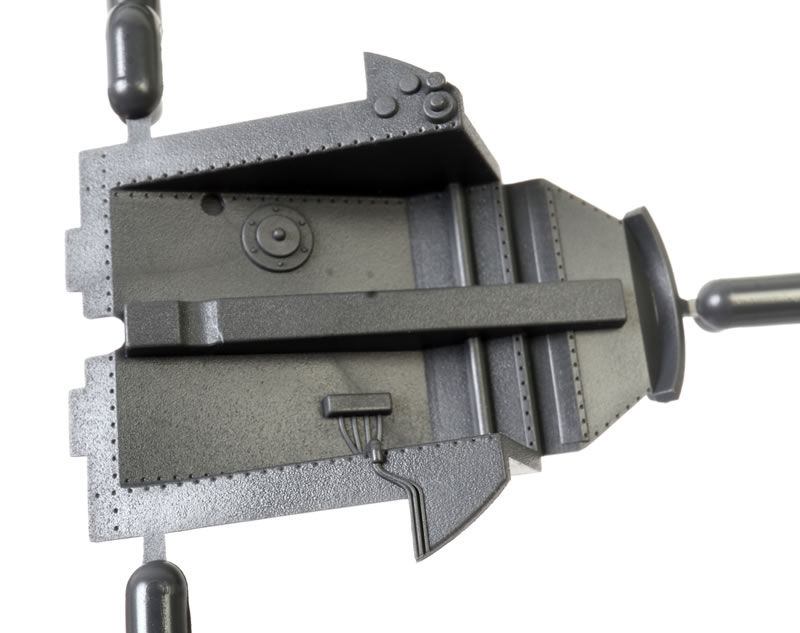
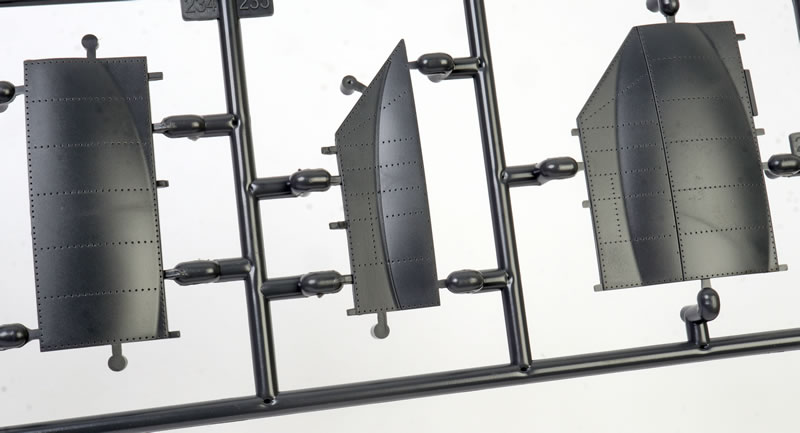
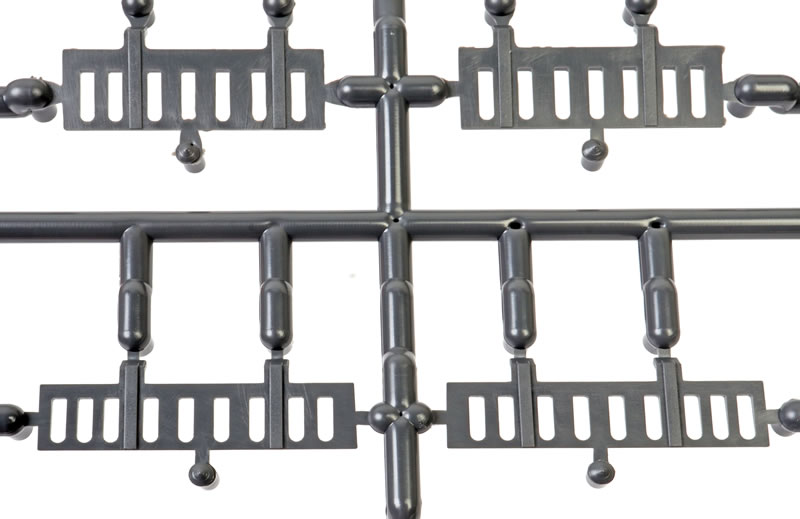
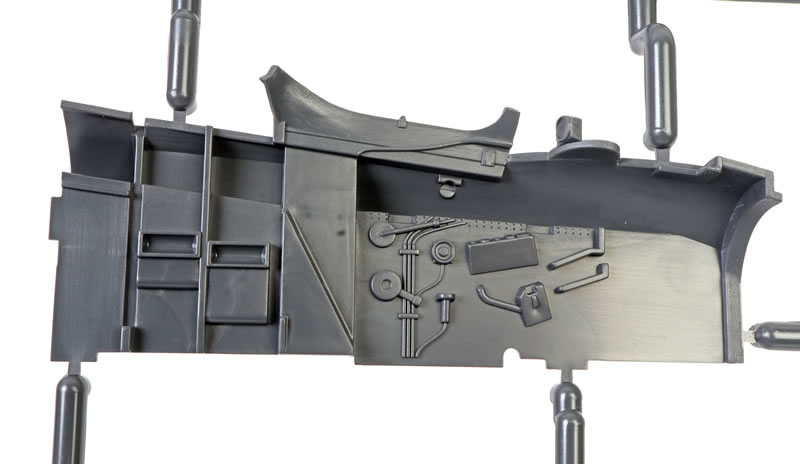
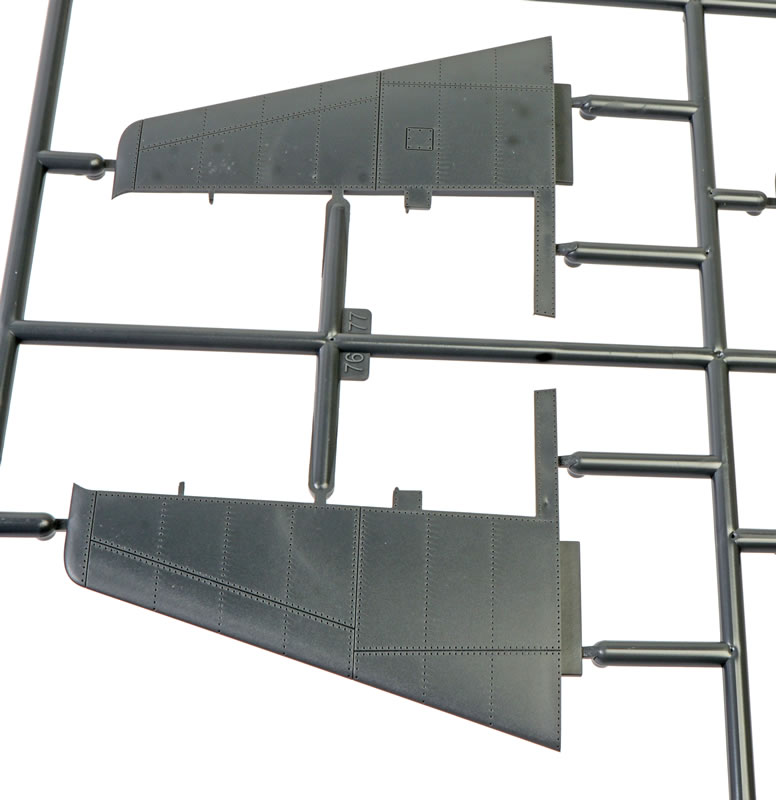
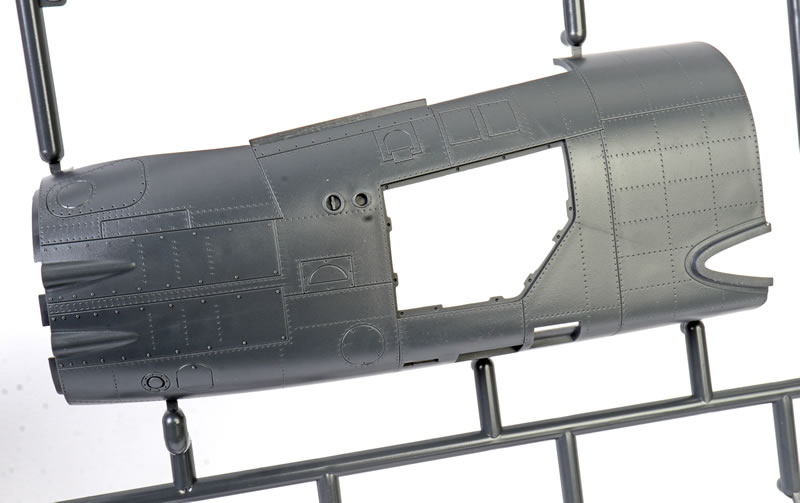
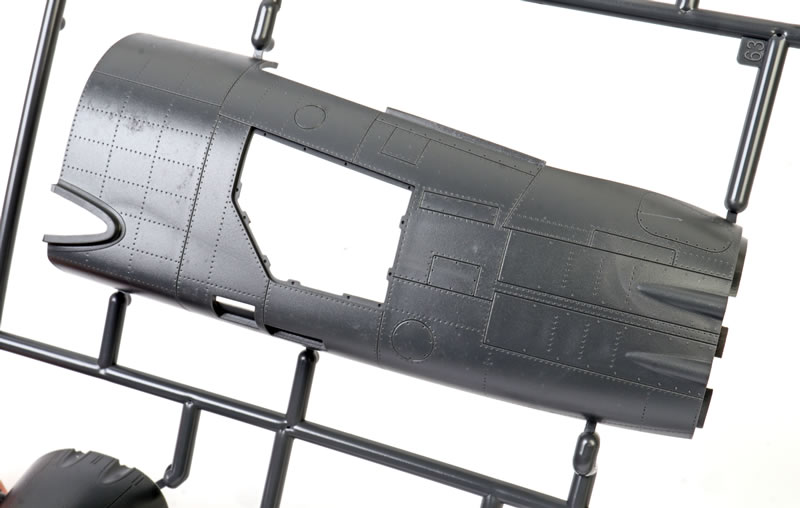
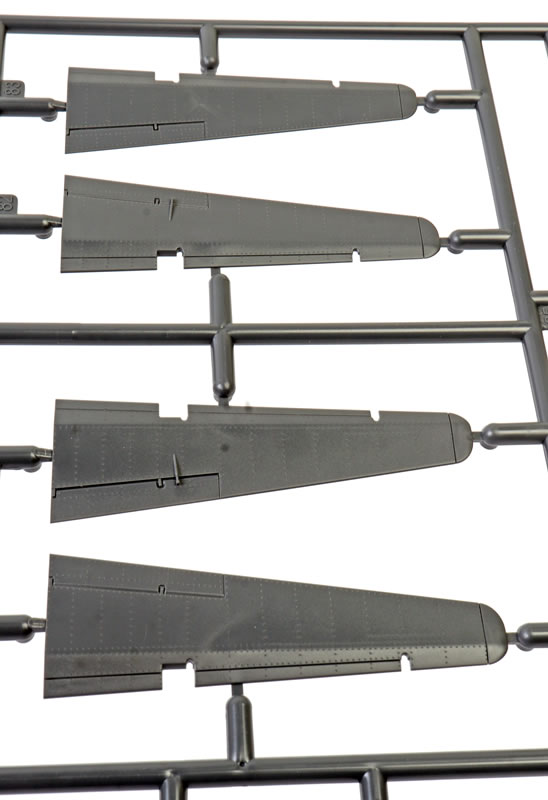
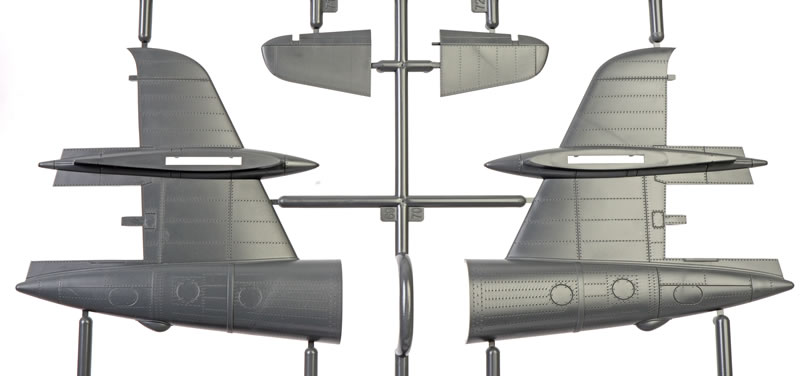
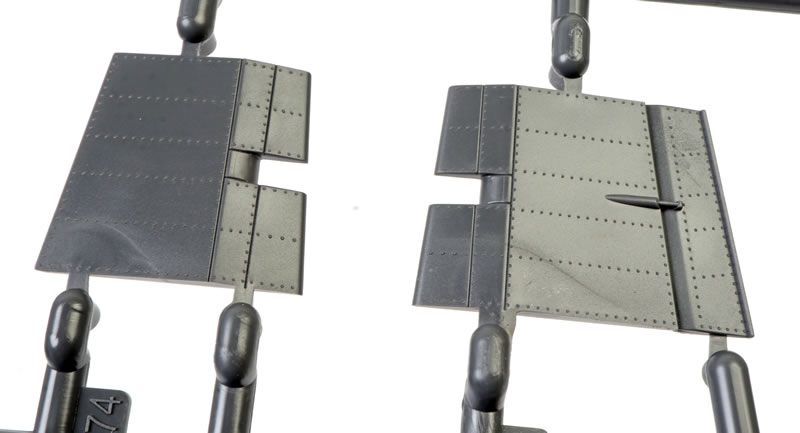
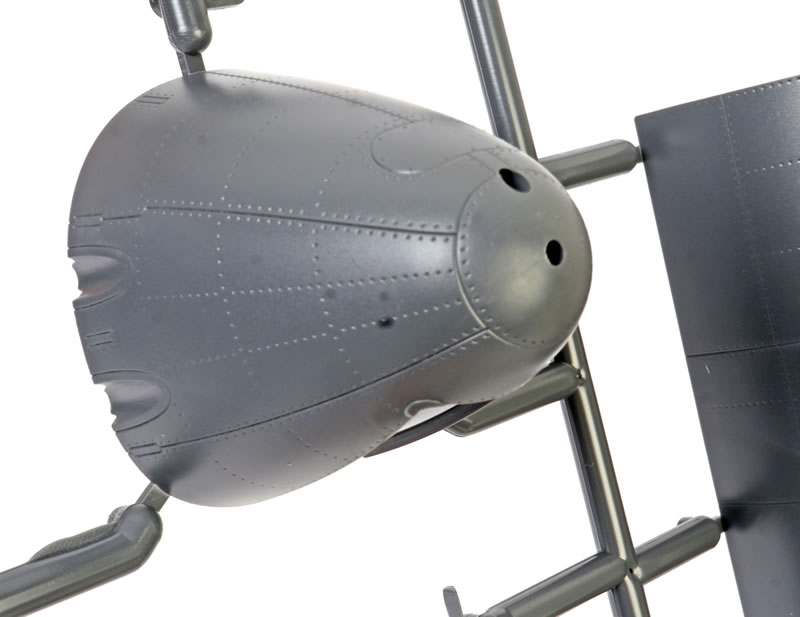
Revell’s new-tool kit fully leverages modern moulding technology to deliver crisply panel lines and rows of miniature rivets.
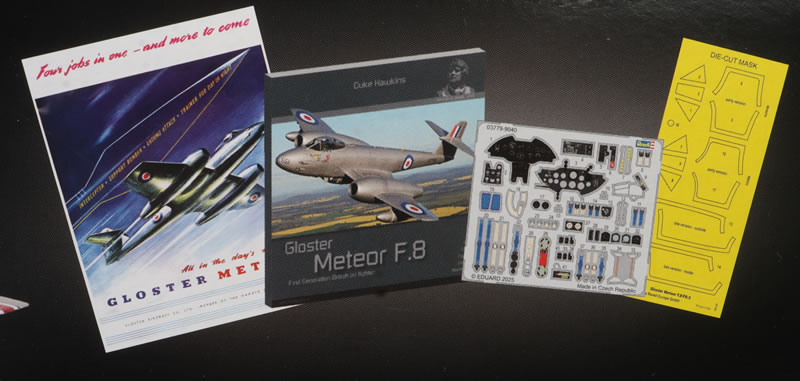
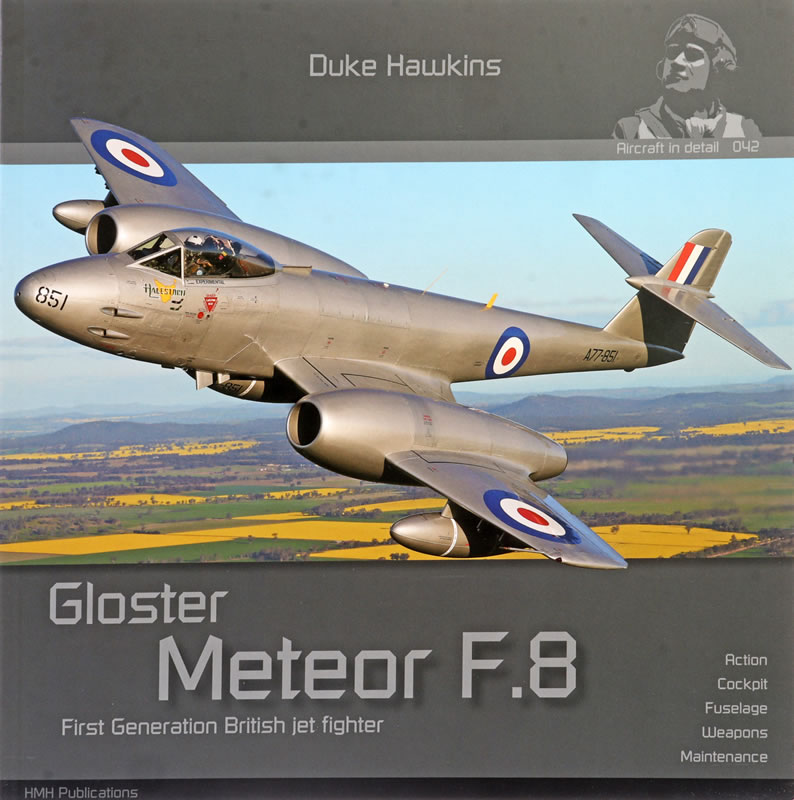
The “First Edition” label delivers not only the plastic parts but also pre-coloured photo-etched cockpit parts plus canopy and wheel masks. A nicely produced A3 poster and a Duke Hawkins reference book rounds out the package.
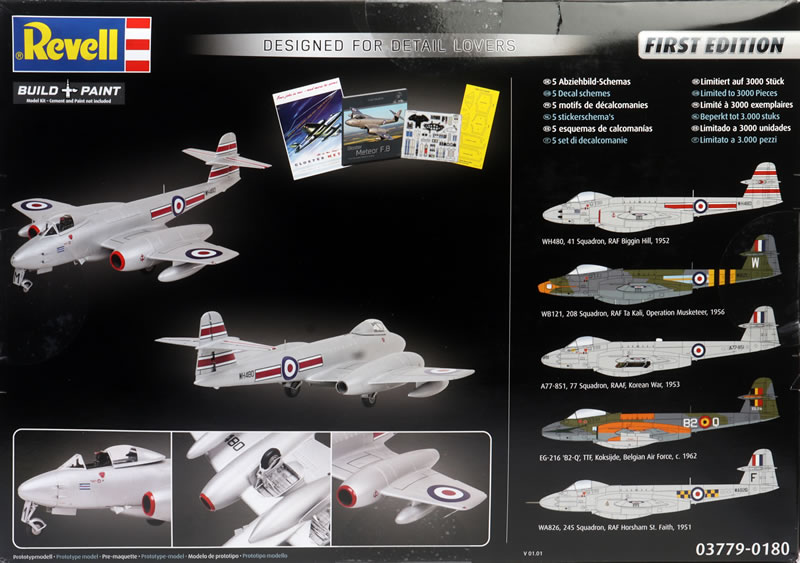
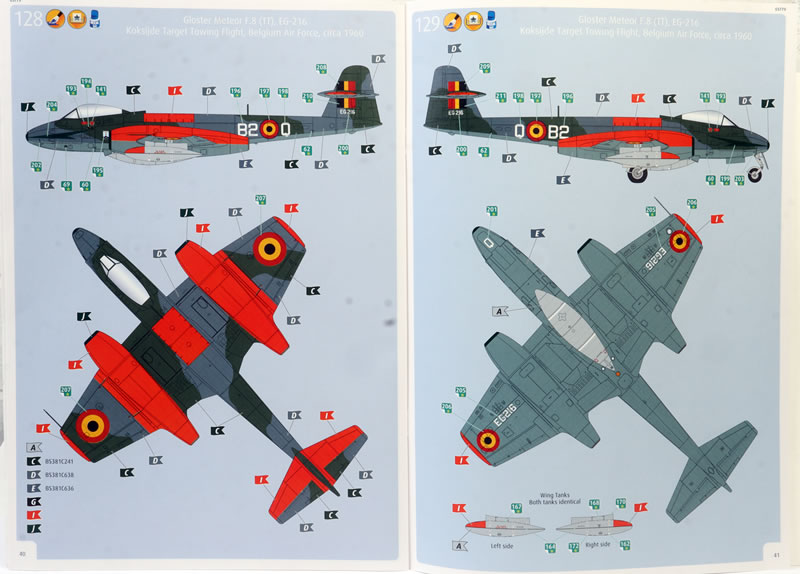
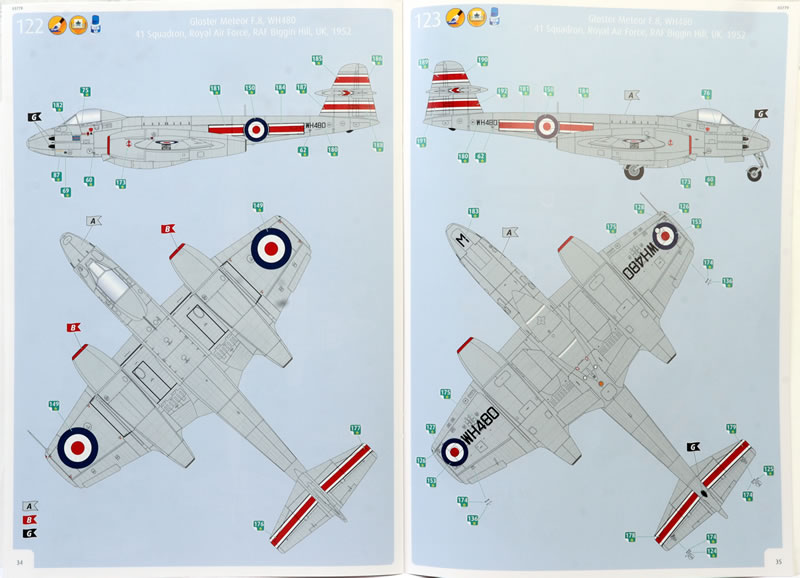
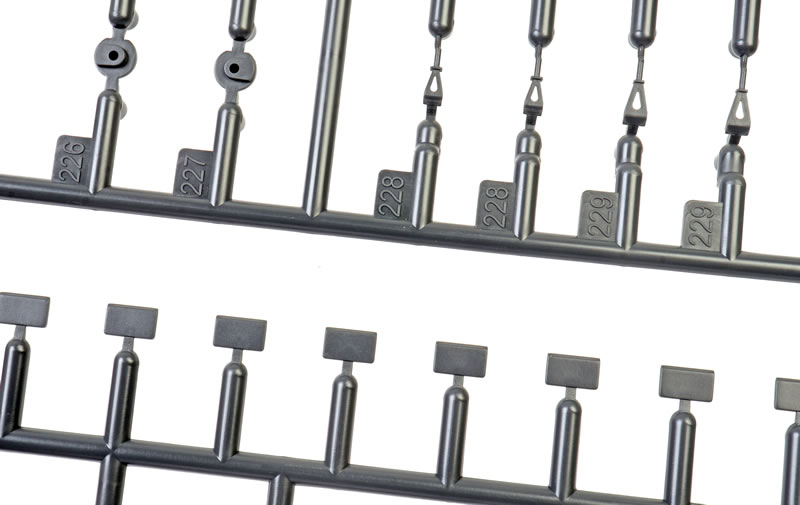
Under the large cardboard lid we are greeted by 388 pieces moulded in dark grey plastic, 17 clear plastic parts, one colour photo-etched fret, self-adhesive die-cut masks for canopy and wheels, markings for five nicely varied options, marking guide and instructions.
The model bristles with features and options. The most eye-catching is the ability to build the model as an F.8 fighter or an FR.9 fighter reconnaissance version. This is achieved through separate nose sub-assemblies.
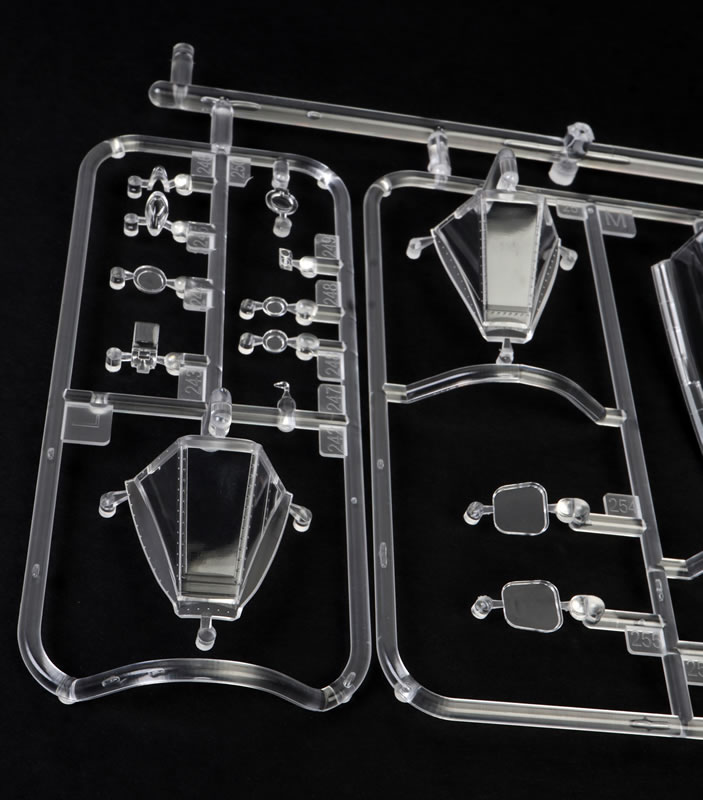
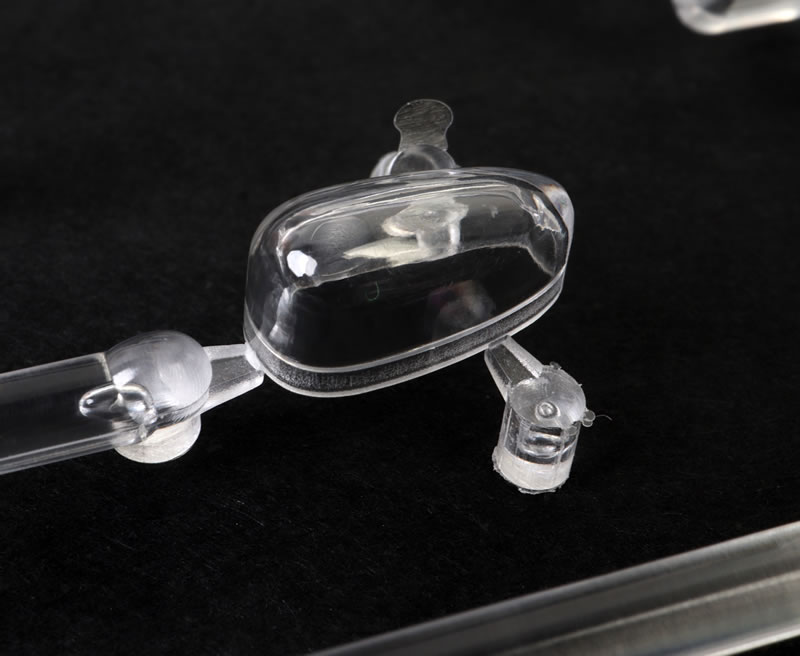
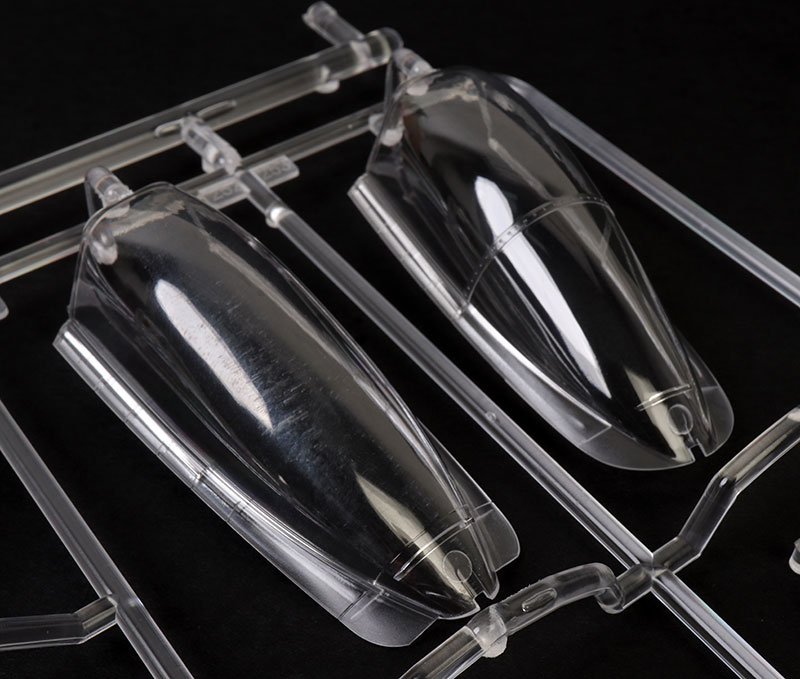
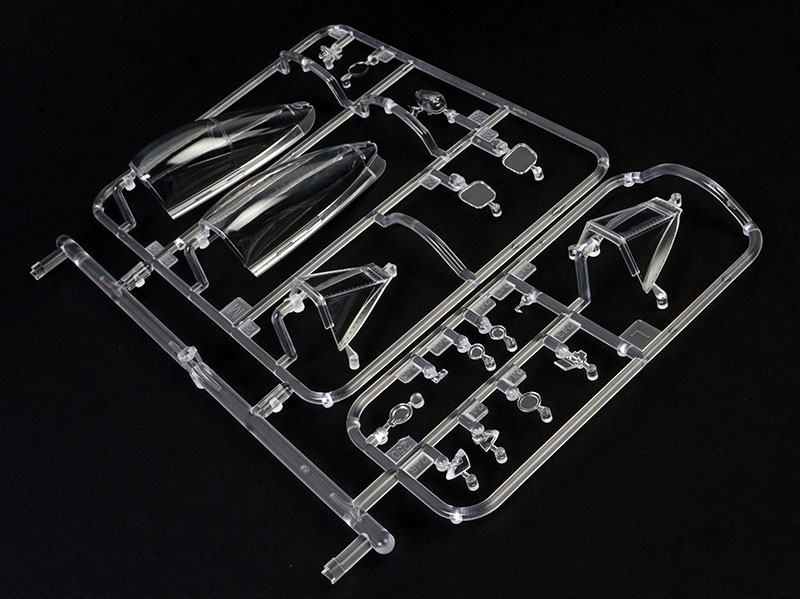
Two styles of canopy are included – one with no cover and one with a partial rear cover.
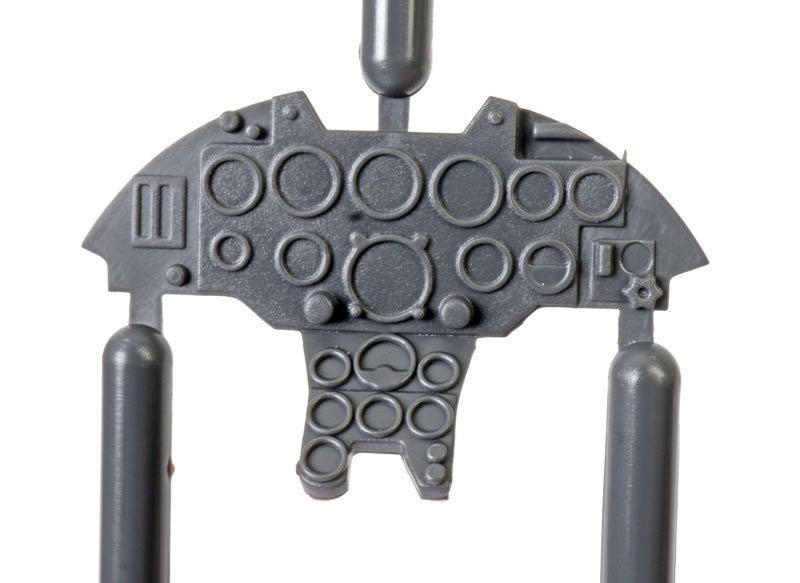
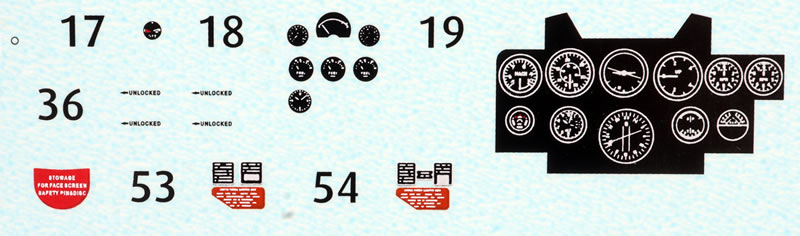
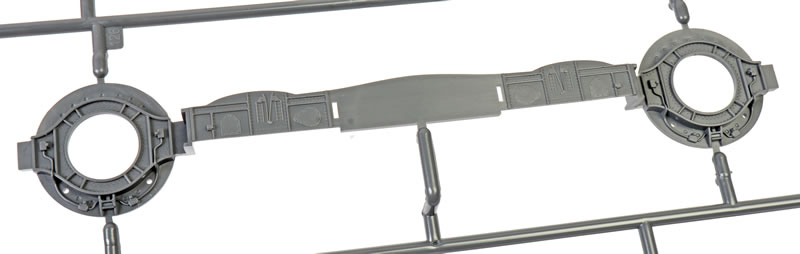
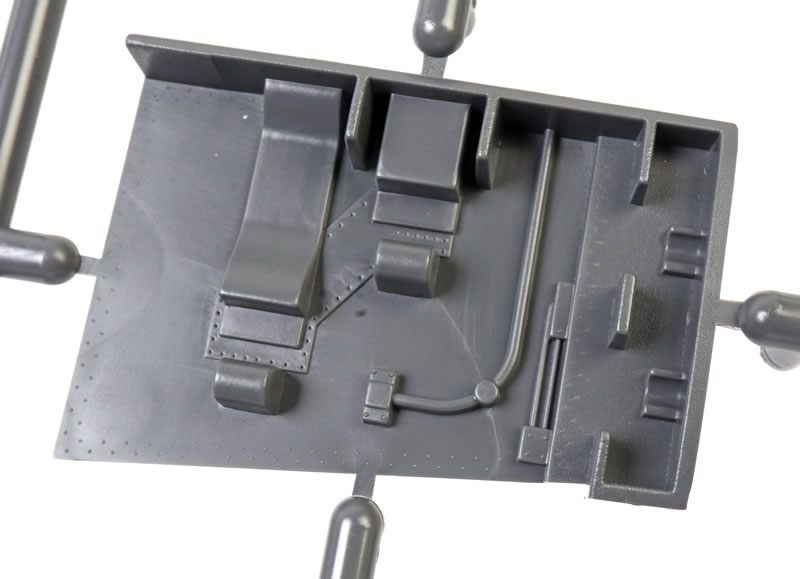
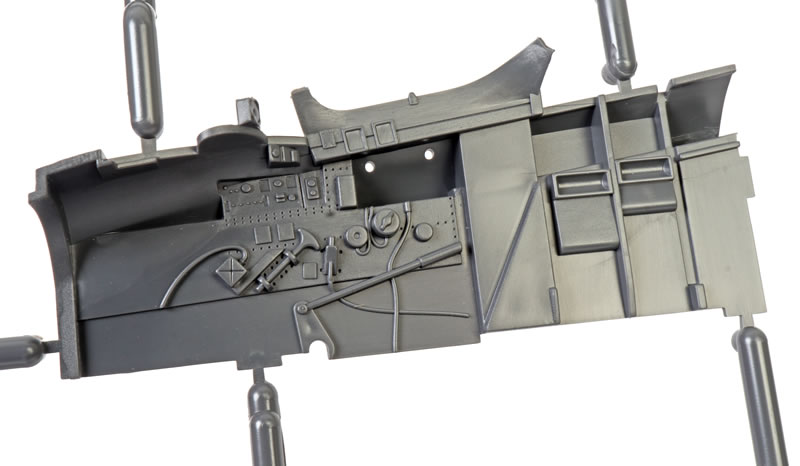
Cockpit detail is busy and authentic. The instrument panel may be carefully painted or the overlay decal may be used.
Of course, the supplied colour photo-etched fret is the most realistic option here.
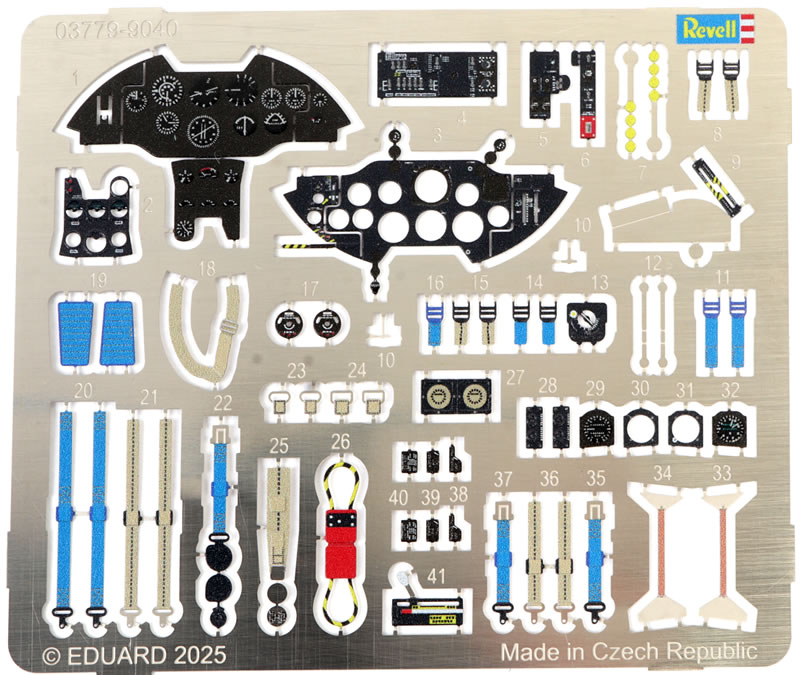
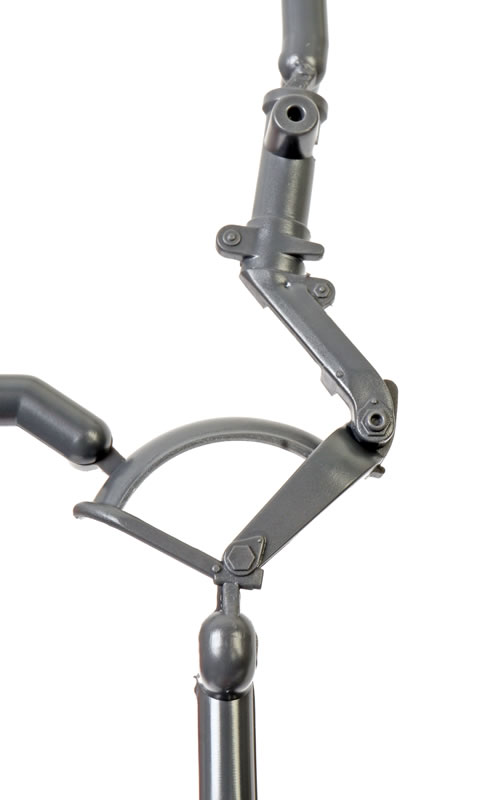
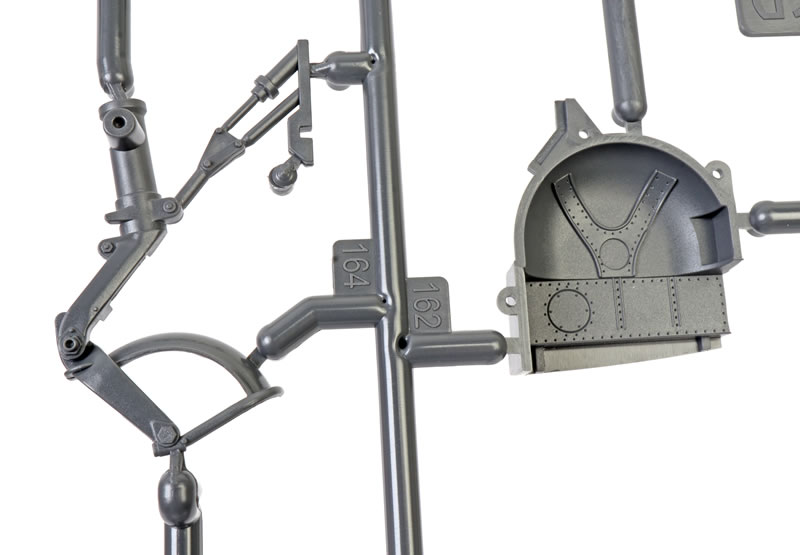
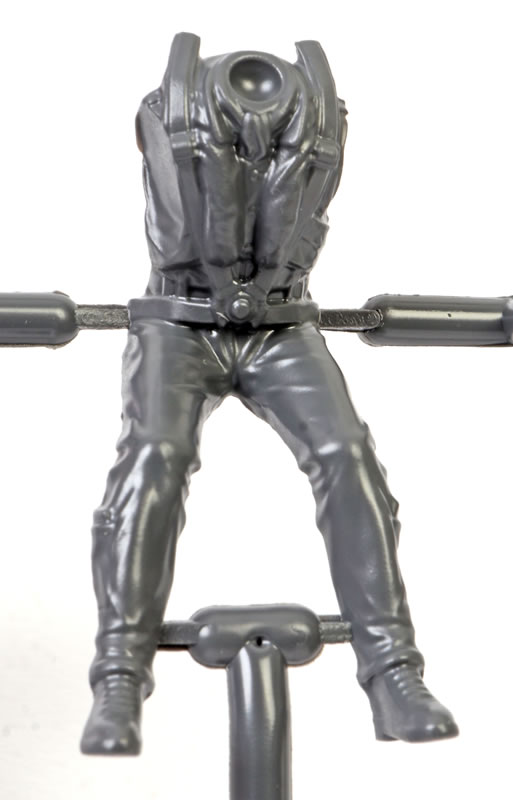
The seat offers similar options, with a moulded-on harness, blue-coloured photo-etched straps or a seated pilot.
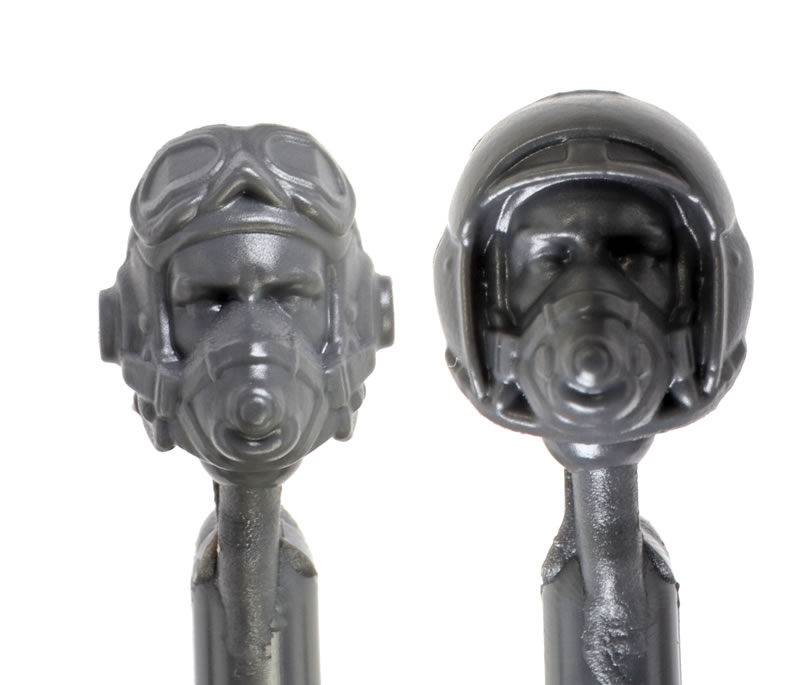
We drill down to a deeper level of options with two heads being offered for the pilot – always better than one! One wears a hard helmet while the other is equipped with a WWII-style leather flying helmet, oxygen mask and goggles. The sculpting of the heads is really well done.
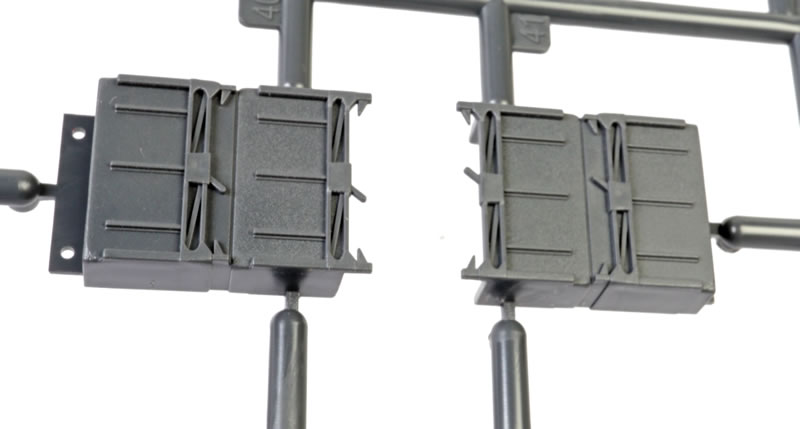
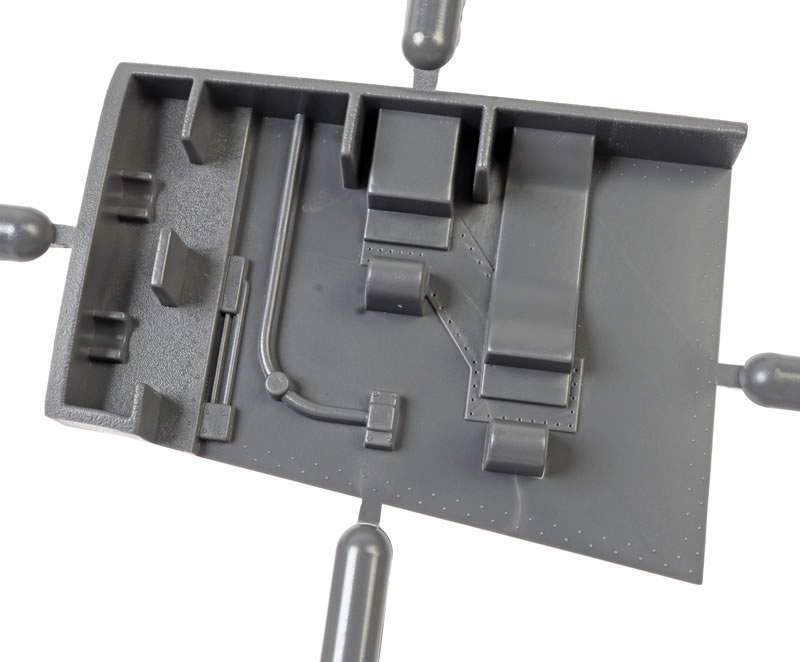
The ammo boxes directly behind the pilot’s seat might be a logical place to add nose weight. I think we will need plenty of it! The instructions suggest 50 grams. I will be using more.
Cannon, cannon bays and ammo feeds are all offered behind open hatches. These may be left off or glued closed.
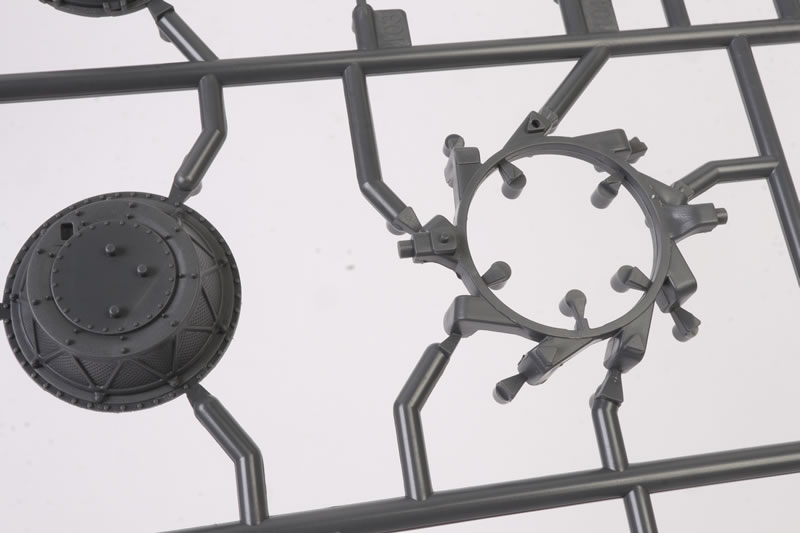
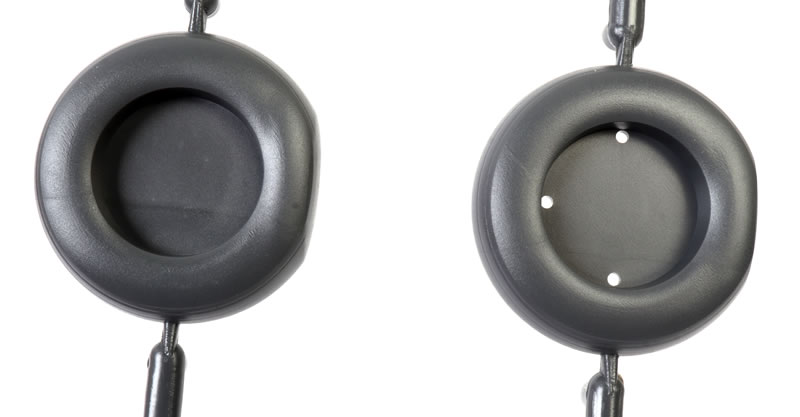
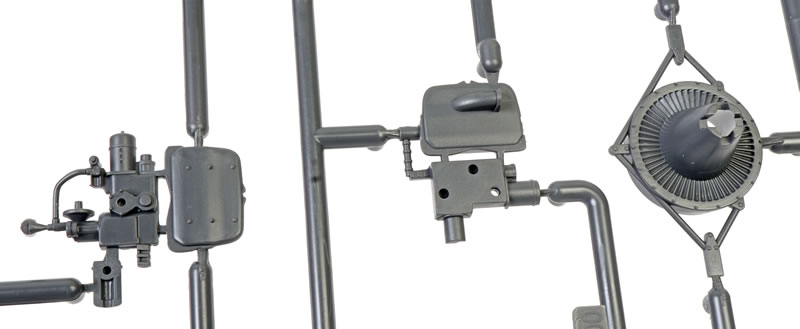
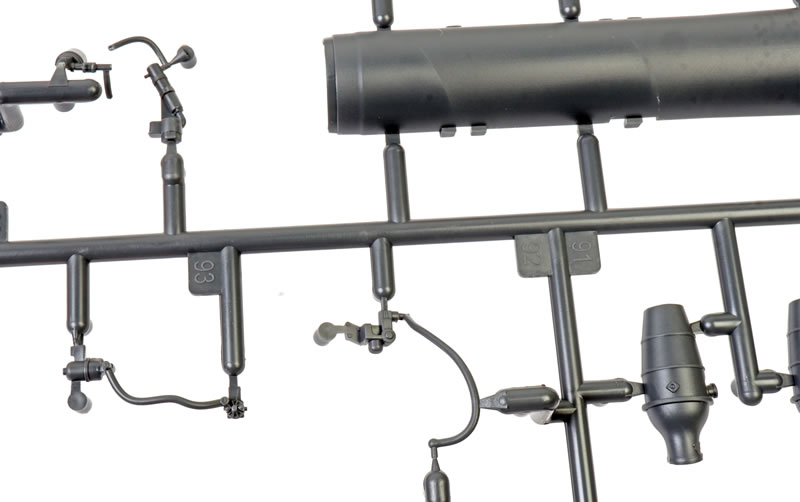
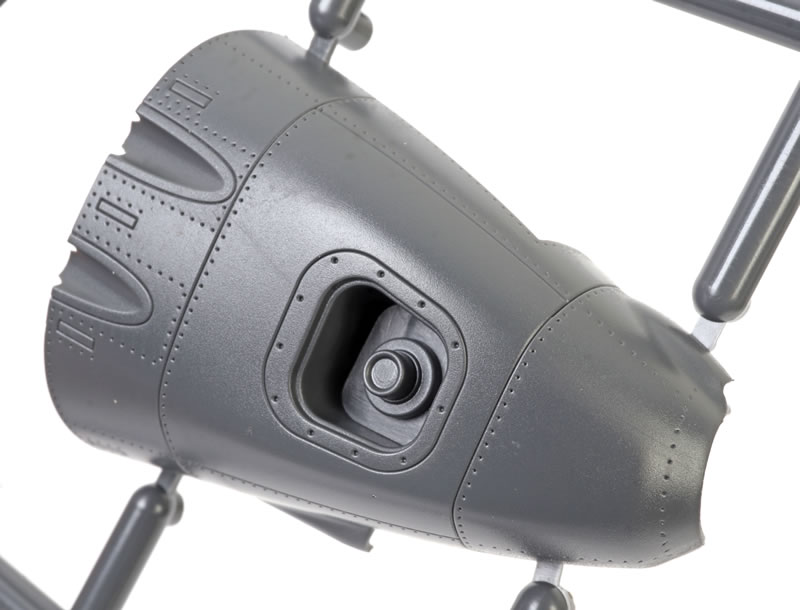
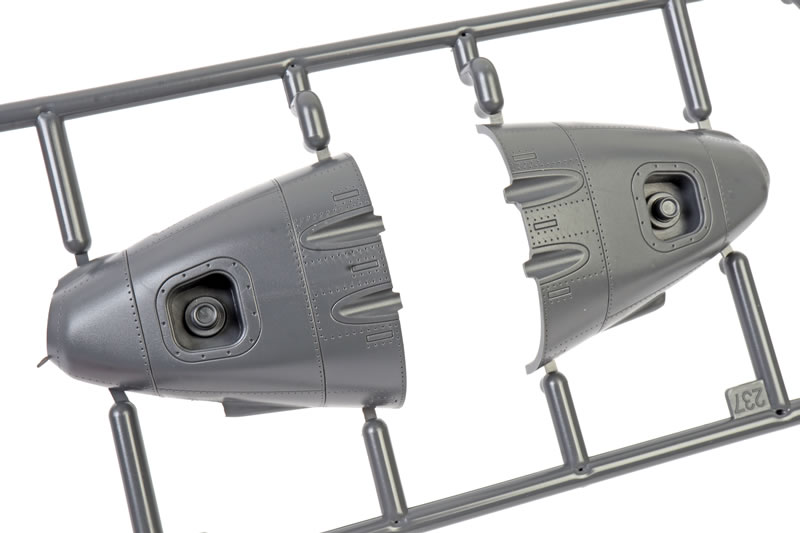
Two full engines are supplied. Each is made up from around 50 parts.
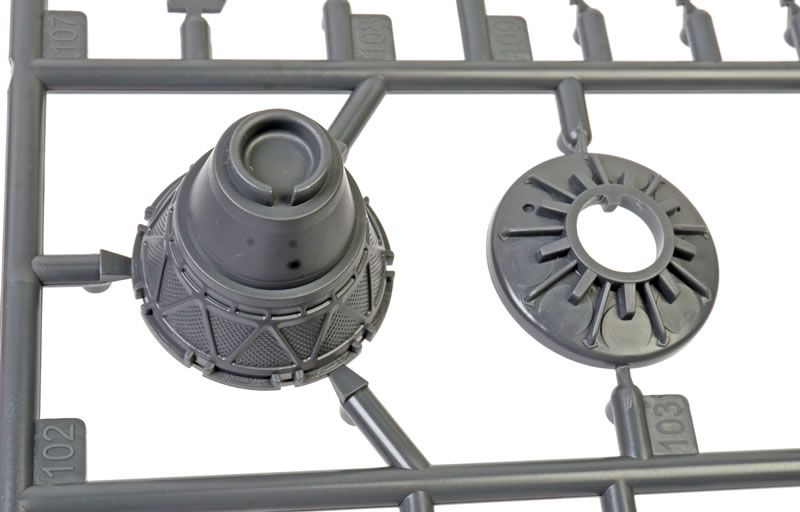
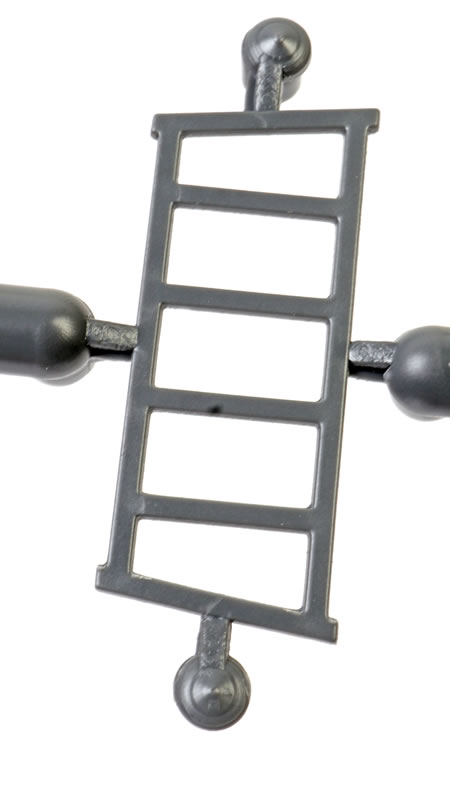
You may choose to display one or both engines on the supplied trolley. Alternatively, you may prefer to fit the engines in the nacelles and leave the upper access hatch open. As a third option, some modellers will rather maintain the smooth lines of the Meteor’s wings by gluing the upper engine hatches closed.
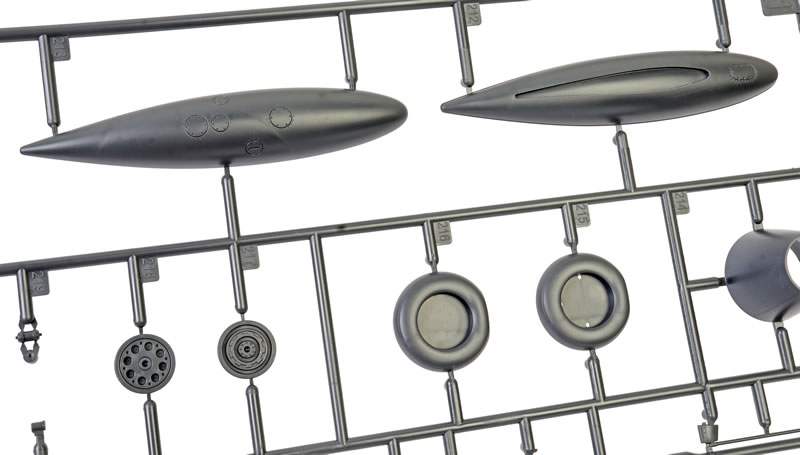
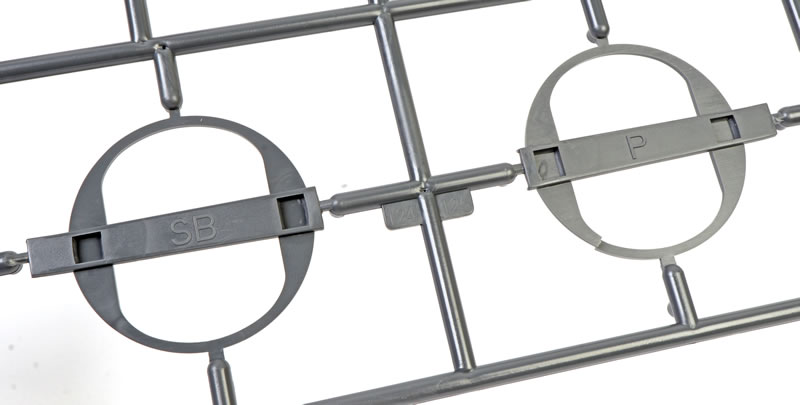
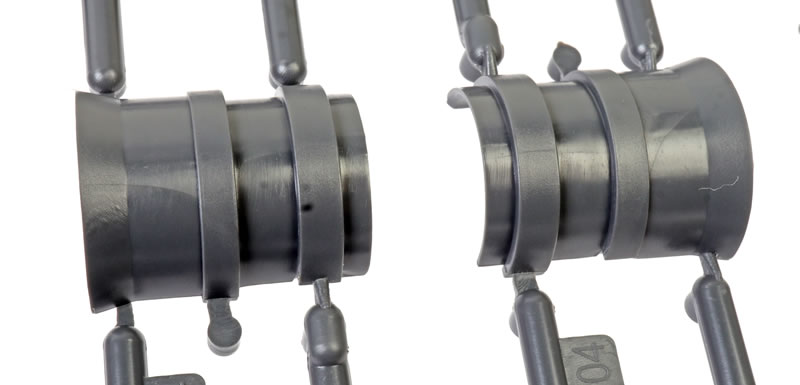
Two styles of intake are provided too – small and large (cut back).
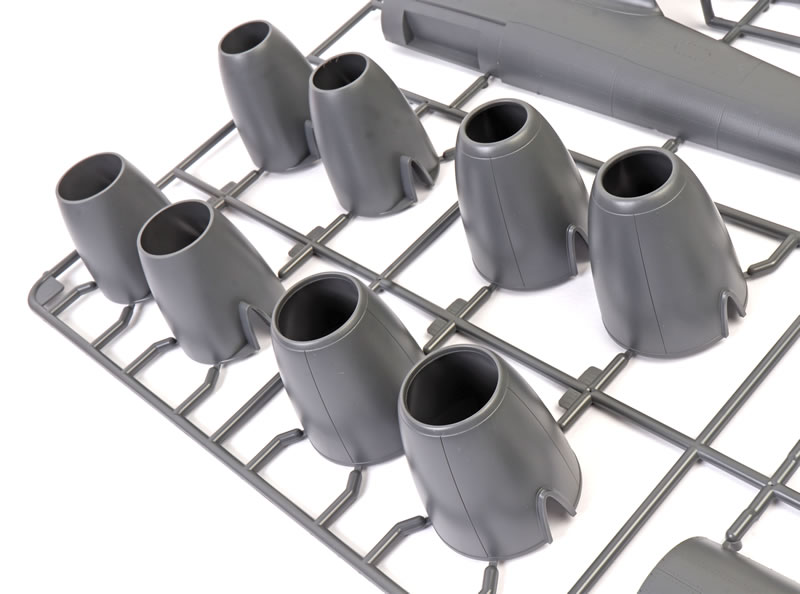
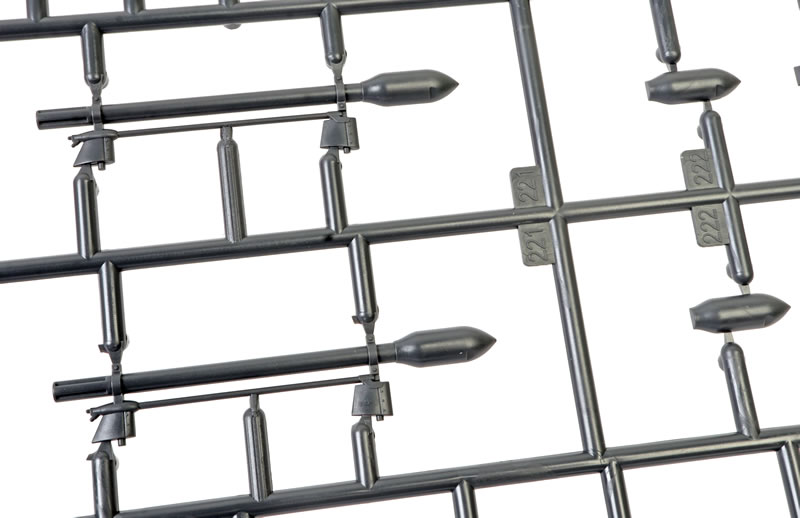
Take care as you move through assembly. Some parts are unique or different, especially relating to the RAAF version which uses different intakes, underwing rocket armament, upper fuselage panel and spine-mounted AN/ARN-6 Radio Compass with its distinctive clear cover,
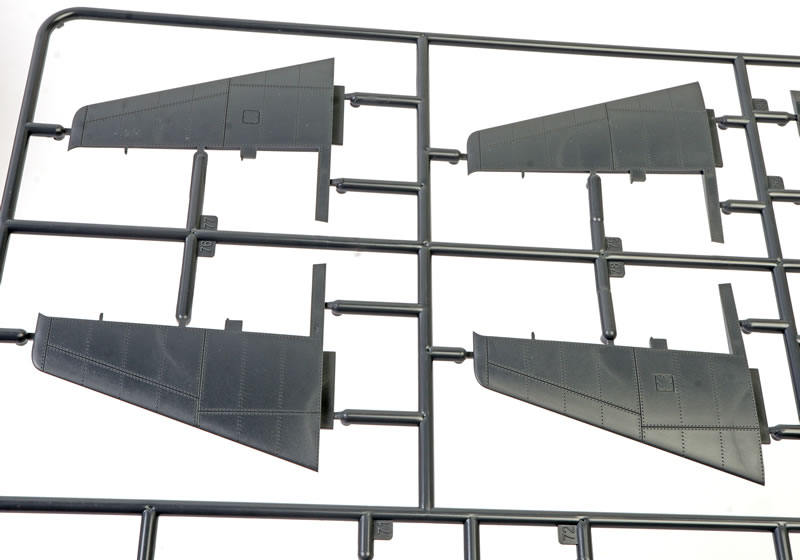
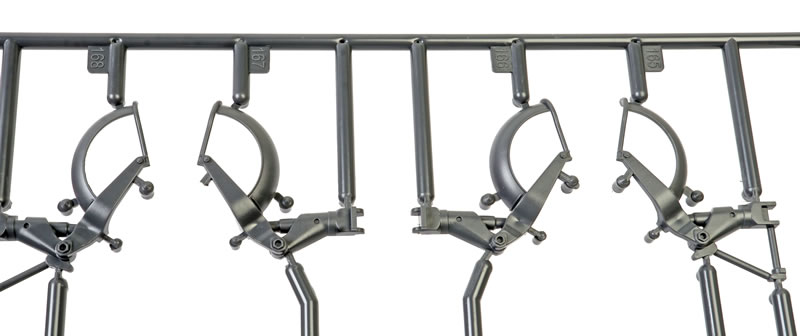
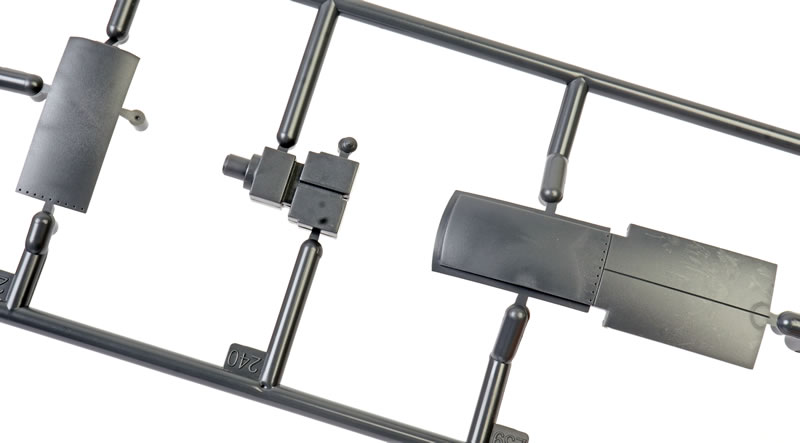
Speed brakes and flaps are all separate parts and may be posed retracted or deployed. Alternative parts are supplied for the ailerons too.
Undercarriage legs are simple but stout, reflecting the real thing.
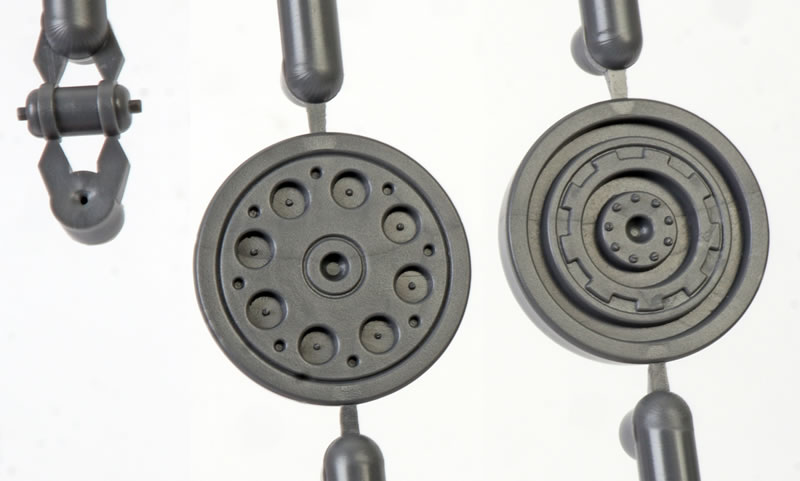
Please keep in mind that the main wheel legs, hubs and tyres are not handed left and right. They are essentially identical.
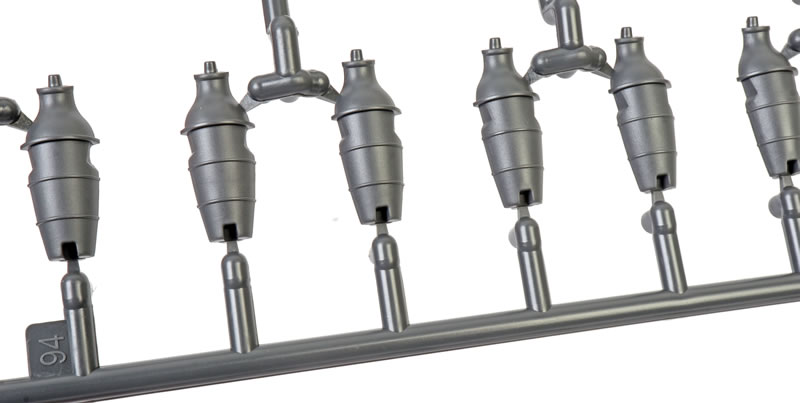
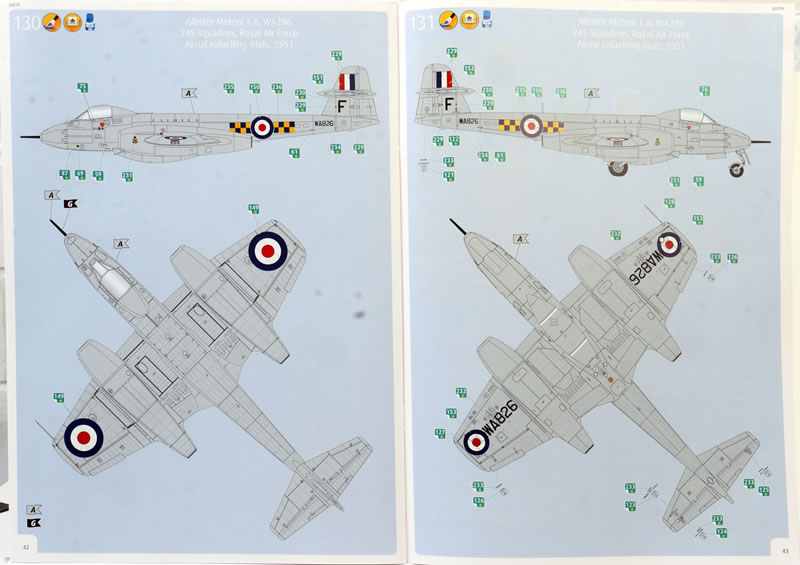
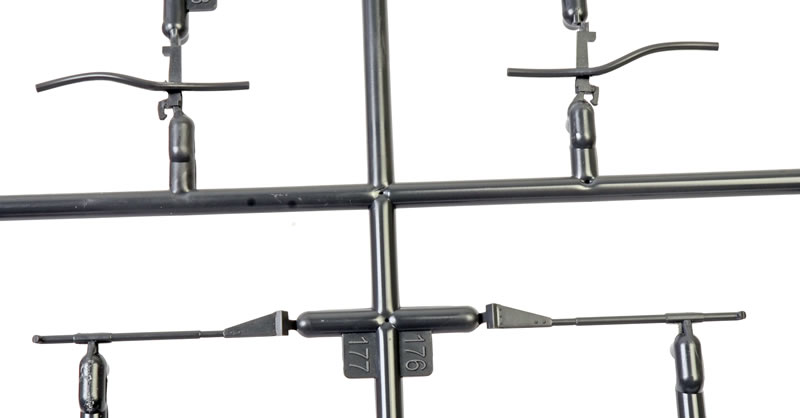
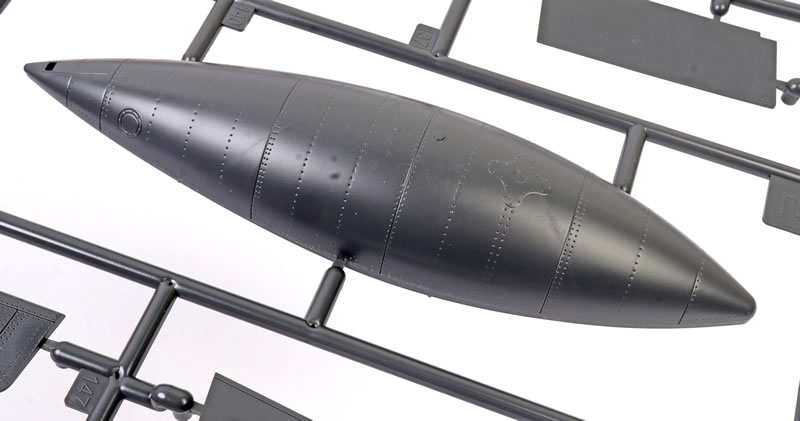
Other options include under wing drop tanks, the big belly tank and trial refuelling probe as fitted to WA286.
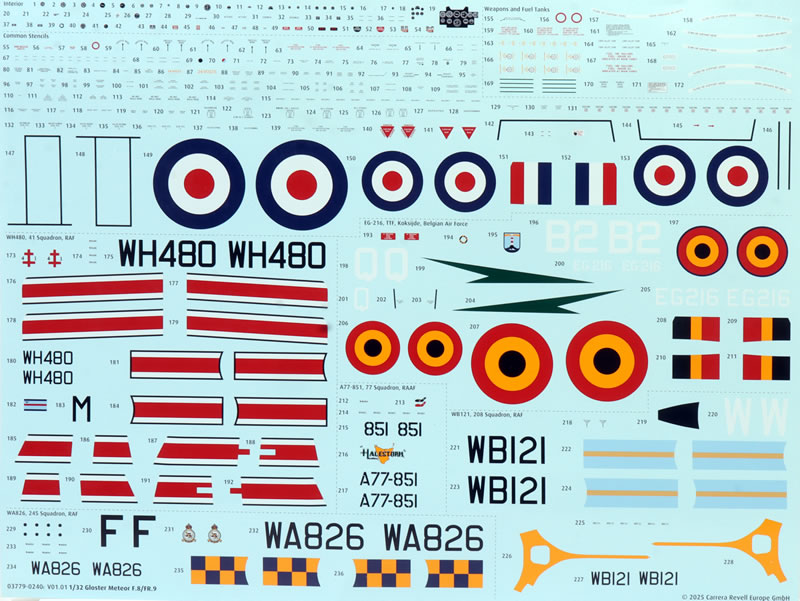
Decals are glossy and saturated. Colours look great. They are perfectly printed by Cartograf.
Revell’s 1/32 Gloster Meteor F.8 / FR.9 First Edition is a landmark release in large-scale British jet modelling. It offers an impressive balance of detail, accuracy, and versatility, from the busy, authentic cockpit and fully modelled engines to the multiple canopy, intake, and armament options.
The inclusion of photo-etched parts, masks, and pilot figure demonstrates a thoughtful approach that will be appreciated by both experienced modellers and those new to this large scale.
While the kit will demand some patience and attention, the rewards will by substantial: an authentic representation of one of Britain’s first post-war jet fighters, fully equipped for either fighter or reconnaissance versions.
This is a model that belongs at the centre of any serious 1/32 jet collection.
Thanks to Revell for the sample
Review Text and Images Copyright © 2025 by Brett Green
Page Created 12 December, 2025
Last updated
12 December, 2025
Back to HyperScale Main Page
Back to Reviews Page

|
 Home
| What's New |
Features |
Gallery |
Reviews |
Reference |
Forum |
Search
Home
| What's New |
Features |
Gallery |
Reviews |
Reference |
Forum |
Search