Messerschmitt Me 262 A-1a
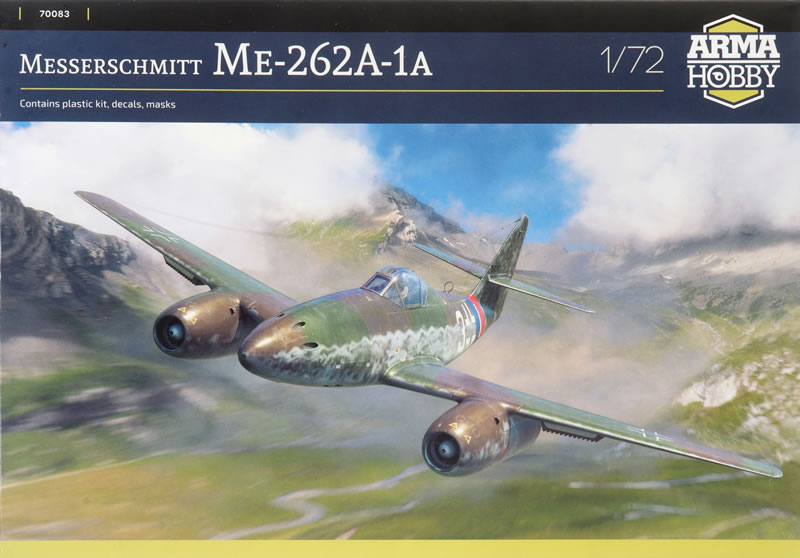
Arma Hobby, 1/72 scale
S
u m m a r y : |
Description and Item No.: |
Arma Hobby Kit No. 70083 - Messerschmitt Me 262 A-1a |
Contents and Media: |
97 parts in grey plastic; six parts in clear plastic; self-adhesive die-cut canopy and wheel masks; three chrome ball bearings; markings for three options; undercarriage alignment jig included on the clear sprue. |
Price: |
€23.29 plus shipping available online at Arma Hobby
£22.99 EU Price (£19.16 Export Price) Plus Shipping at Hannants
and hobby retailers worldwide |
Scale: |
1/72 |
Review Type: |
First Look |
Advantages: |
High quality moulding; excellent surface textures and detail; accurate; useful options; includes ordnance; high quality Cartograf decals. |
Disadvantages: |
End-opening box. |
Recommendation: |
Arma Hobby’s Me 262 A-1a is another confident step forward in the company’s growing 1/72 scale catalogue. It combines thoughtful engineering with refined surface detail and a level of finesse that would have seemed ambitious in this scale not so long ago.
Arma has struck a sweet spot with their crisp moulding, high level of detail, clever parts breakdown and fit potential, all supported by practical inclusions such as masks, nose weights and the handy undercarriage alignment jig. The decision to include decals for cockpit detail is a sensible and effective solution in this small scale that should deliver convincing results with minimal effort.
The separate slats, comprehensive wheel well detail and subtly weighted tyres further enhance the overall impression, while the masks remove much of the usual pain associated with canopies. Even small touches such as the provision of alternative nose wheels and optional stores suggest that Arma is thinking ahead in terms of variants.
In the end, this is a thoroughly modern kit of a historically significant aircraft delivered with intelligence and restraint. It should build quickly, align accurately and look great straight from the box, while still offering plenty of scope for additional detail if desired.
Highly Recommended. |
Reviewed by Brett Green

The Messerschmitt Me 262 was the world’s first operational jet fighter and a dramatic leap in aviation technology. Entering service in 1944, it outclassed piston-engined contemporaries in speed and firepower, ushering in the jet age even as Germany’s strategic situation collapsed.
Work began in 1938 as Projekt 1065, led by Woldemar Voigt. The design featured twin engines in underwing nacelles and tricycle landing gear. Early progress was slow, however, as suitable jet engines lagged behind the airframe. The first prototype flew in April 1941 with a piston engine in the nose, while development of the Junkers Jumo 004 turbojets continued. True jet-powered flight followed in 1942, revealing performance far beyond existing fighters, with speeds exceeding 540 mph (870 km/h).
Despite its promise, the programme was plagued by difficulties. The Jumo 004 engines were unreliable, often lasting as little as 10–25 hours, while shortages of strategic materials forced compromises in manufacture. Allied bombing further disrupted production, which was eventually dispersed and moved underground. Political interference also played a role, with Adolf Hitler insisting on a fighter-bomber role that delayed deployment.
Production gathered pace in 1944, ultimately reaching around 1,430 aircraft, though far fewer were operational at any time due to fuel shortages, maintenance demands and a lack of trained pilots. The Me 262 first saw service with Erprobungskommando 262, followed by Jagdgeschwader 7, the world’s first jet fighter unit. Armed with four 30 mm MK 108 cannon and later R4M rockets, it proved lethal against Allied bombers. In the air, its speed made interception difficult, though it remained vulnerable during take-off and landing.
Compared with aircraft such as the North American P-51D Mustang and Supermarine Spitfire Mk XIV, the Me 262 enjoyed a decisive speed advantage, allowing it to dictate combat. Allied tactics therefore focused on catching jets at their most vulnerable moments.
Operationally, its impact was limited. By late 1944, Germany faced overwhelming Allied air superiority, crippling fuel shortages and constant attacks on its airfields. Even so, Me 262 units claimed hundreds of victories in the war’s final months.
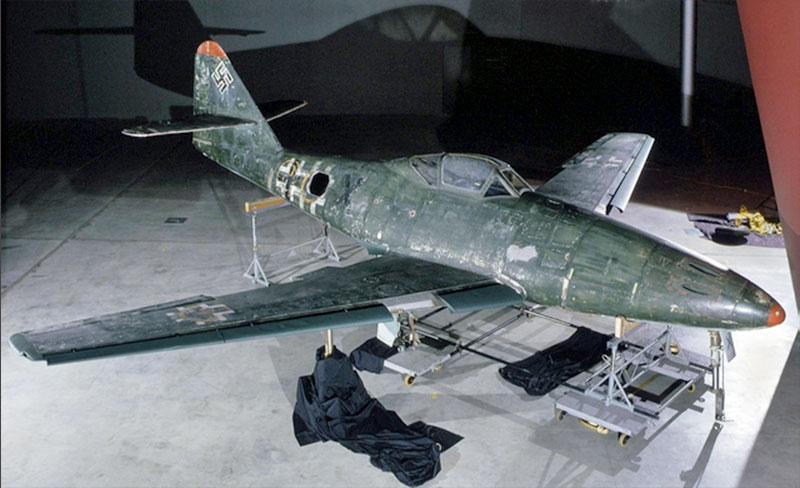
One notable survivor is W.Nr. 500200 “Black X,” a fighter-bomber preserved today at the Australian War Memorial. Retaining its original markings, it offers a rare, tangible link to this pioneering aircraft.
The Me 262’s true legacy lies beyond the war. Its configuration and concept influenced a generation of post-war jets and confirmed that the future of fighter aviation belonged to jet propulsion. Within a decade, piston fighters had largely vanished from front-line service, replaced by aircraft descended—directly or indirectly—from this revolutionary design.
Arma Hobby continues to expand its lineup of classic WWII fighters in 1/72 scale with this latest all-new offering - the Messerschmitt Me 262 A-1a.
Arma Hobby's new 1/72 scale Messerschmitt Me 262 A-1a comprises 97 parts in grey plastic, six parts in clear plastic, three chrome ball bearings; self-adhesive die-cut canopy and wheel masks, markings for three options and an undercarriage alignment jig included on the clear sprue.
This model is in the standard series so we do not find photo-etched or 3d printed parts. Arma has, however, included self adhesive masks and you may download files for 3d printing your own detail parts. The die-cut masks are the paper "Kabuki" style.
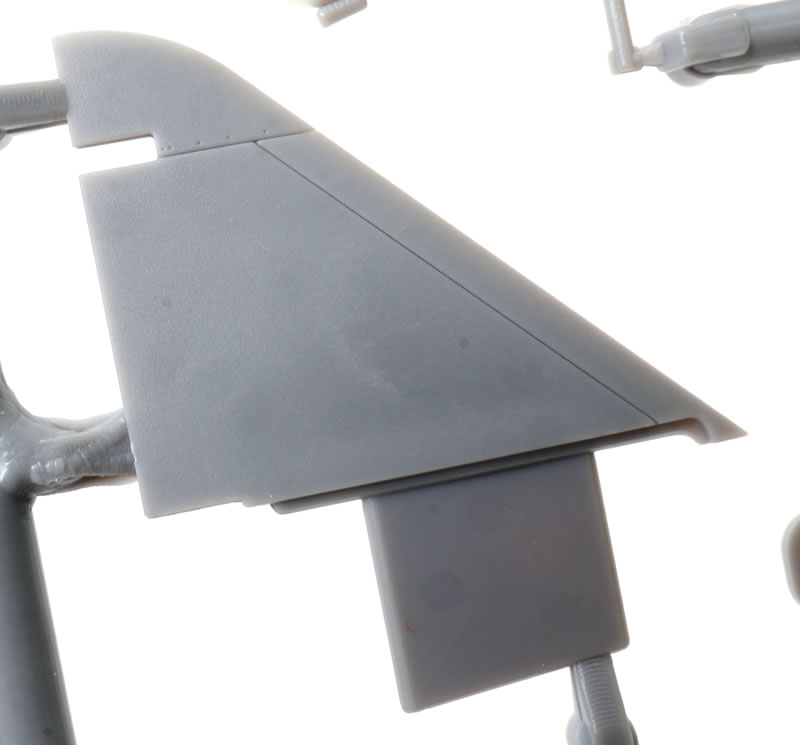
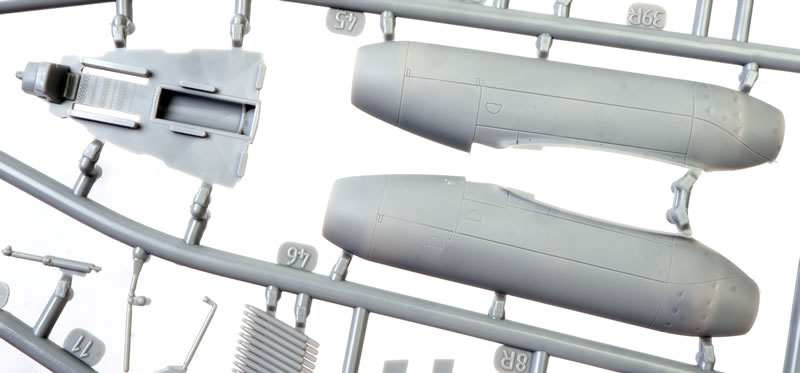
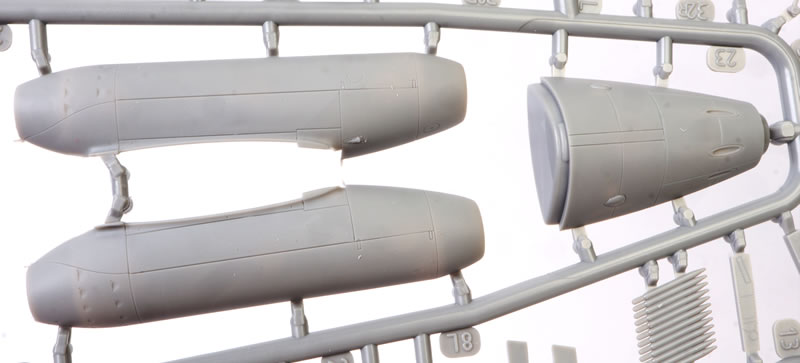
The grey plastic parts are delivered on two sprues. Moulding quality is excellent with no flaws or visible moulding imperfections on my sample. Arma’s website advises that long-run metal moulds are used for their kit production, and it shows.
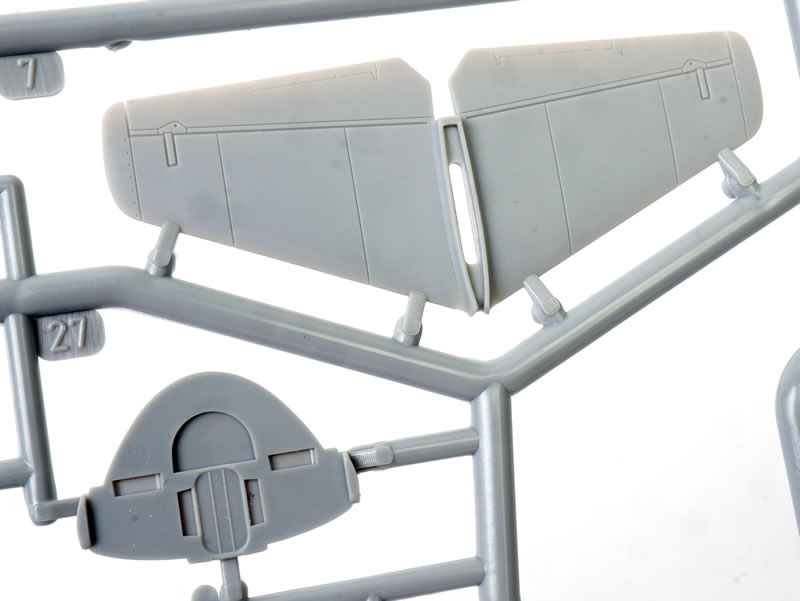
Being a long-run kit, the parts are moulded with all the alignment aids that you would expect including locating pins, holes and tabs.
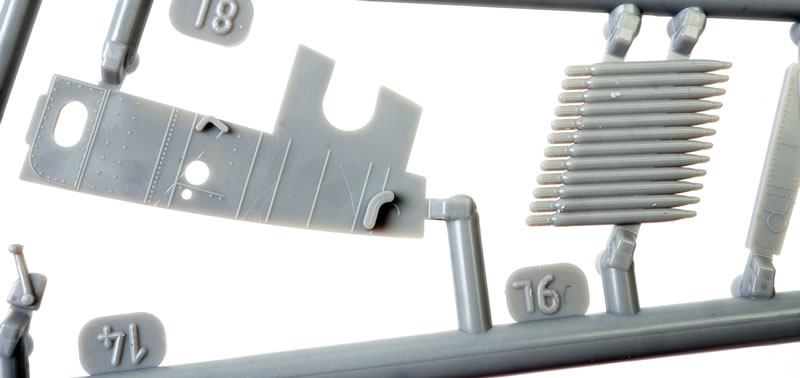
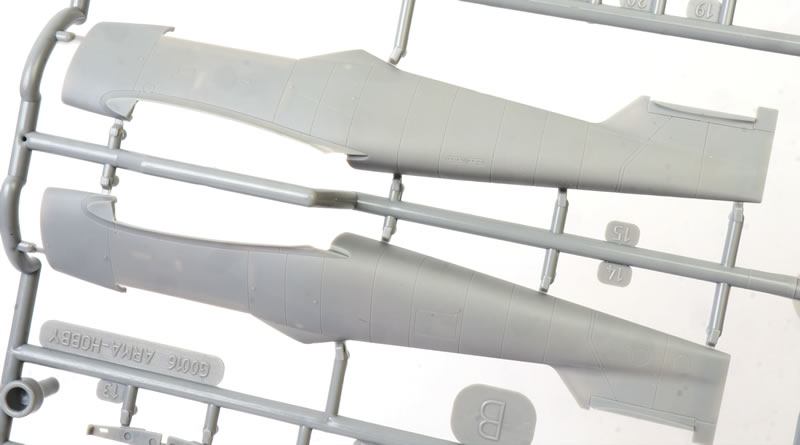
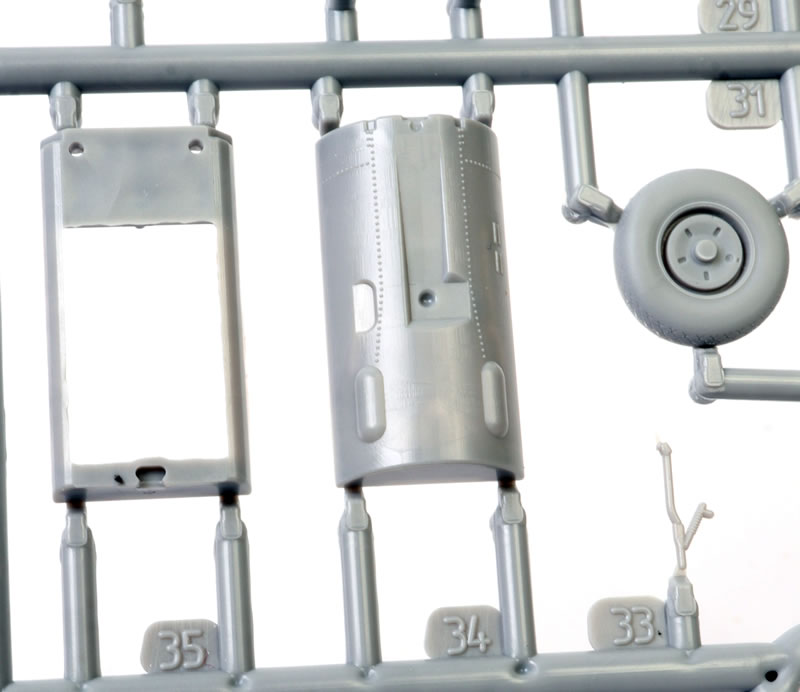
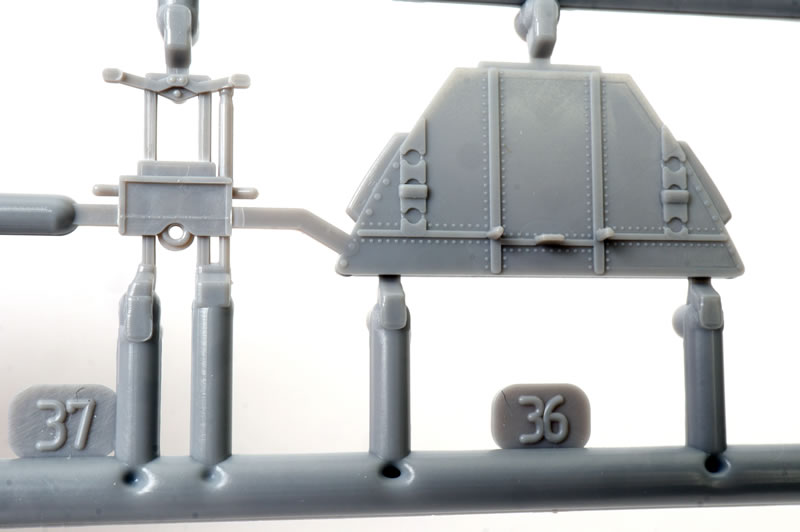
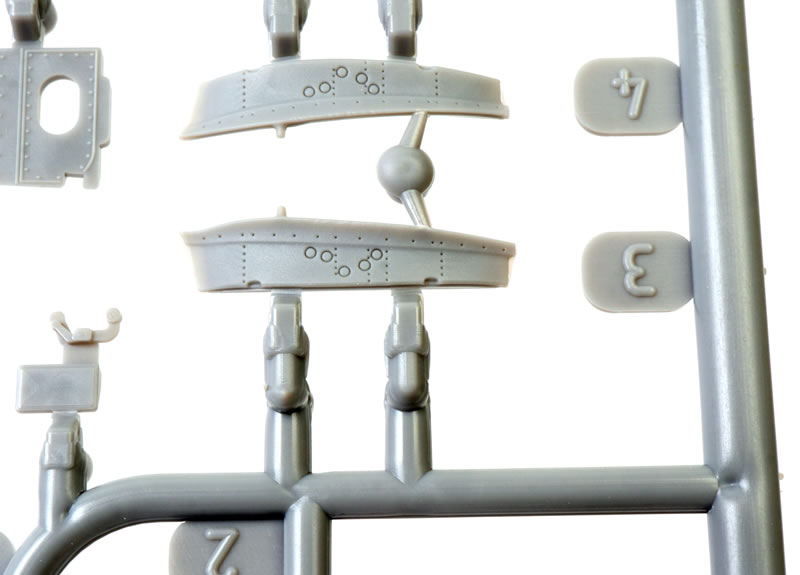
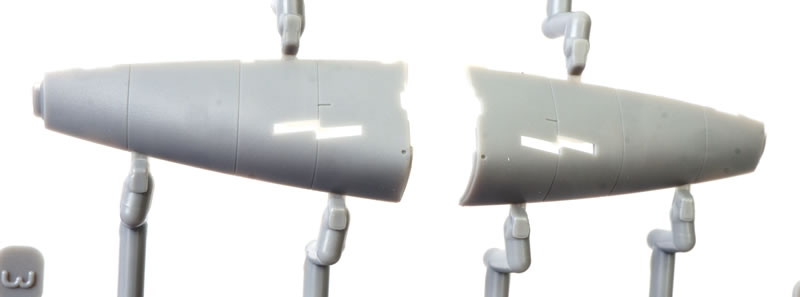
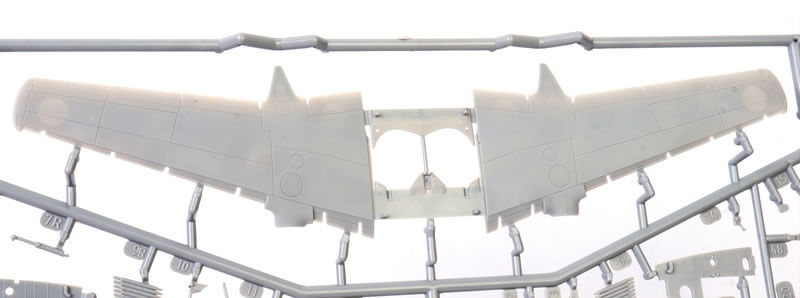
The larger parts are moulded with a satin finish. Surface textures are just gorgeous. Recessed panel lines, circular fastener heads and other structural details are very fine.
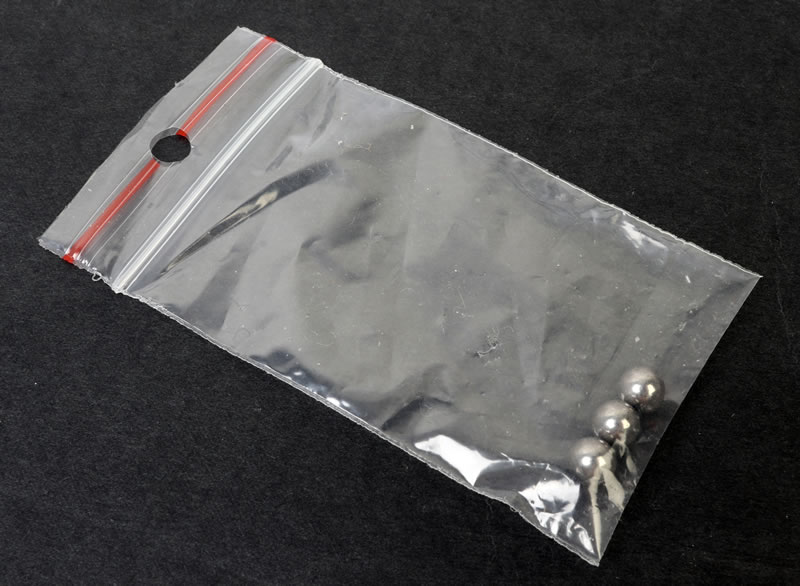
The fuselage is supplied as left and right halves and a separate nose sub-assembly. Three small chrome ball bearings are thoughtfully supplied as nose weight. There are appropriate recesses to ensure positive fit for the weights.
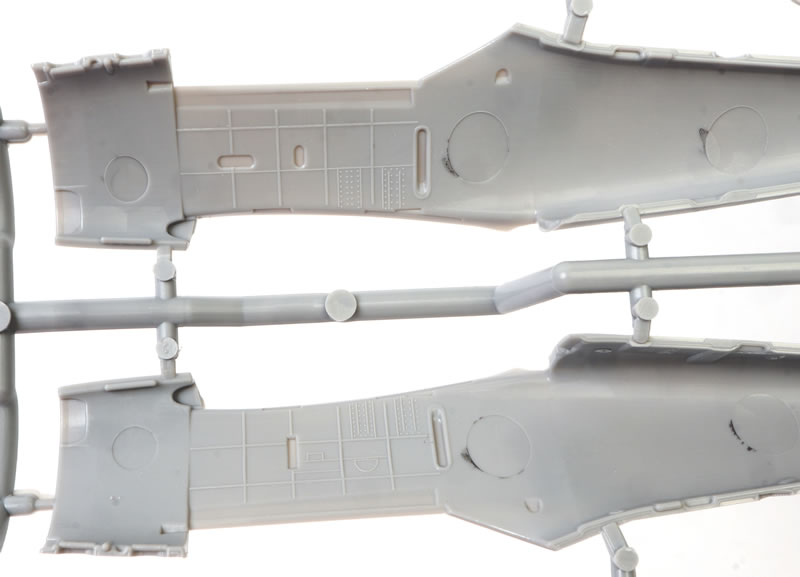
Some structural cockpit sidewall detail is moulded directly to the inside of the fuselage.
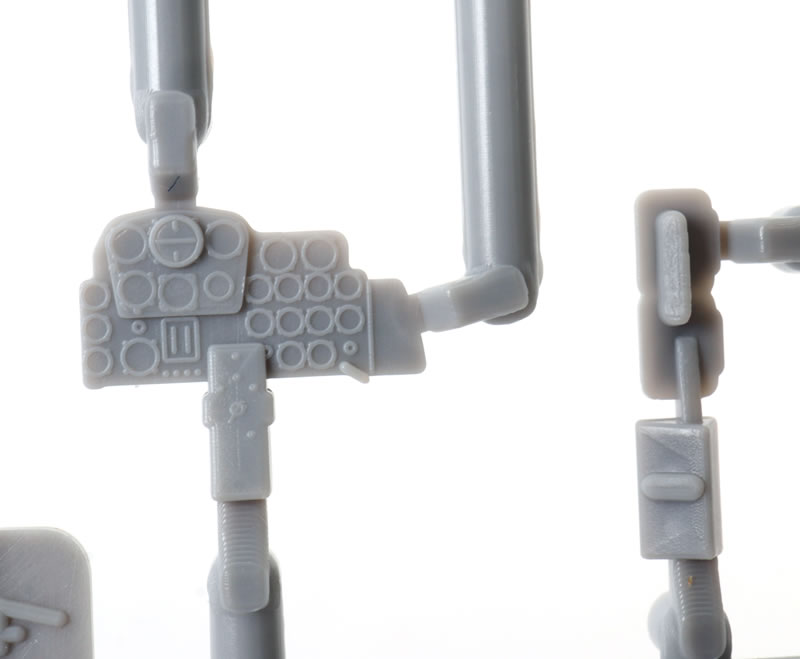
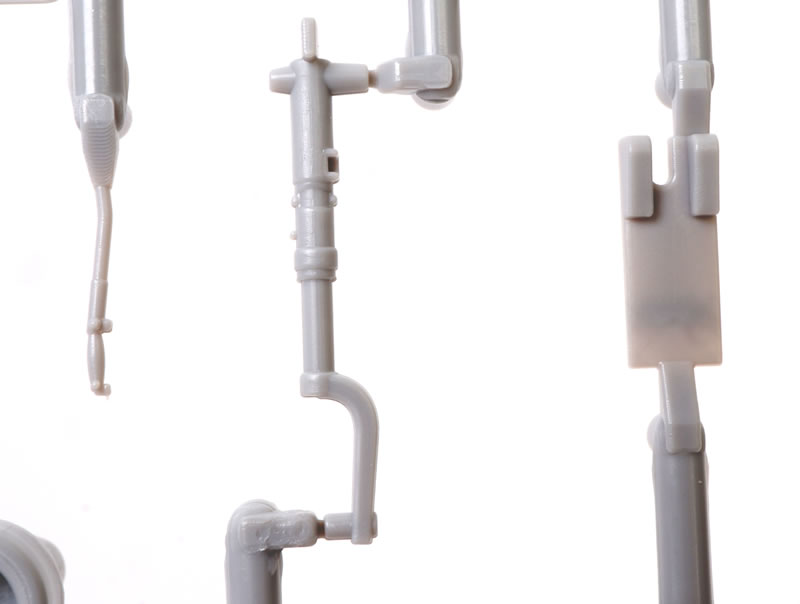
Additional separate cockpit parts include a plastic tub, separate seat back with cushion, side consoles, throttle quadrant; instrument panel, switch panel, control column and more.
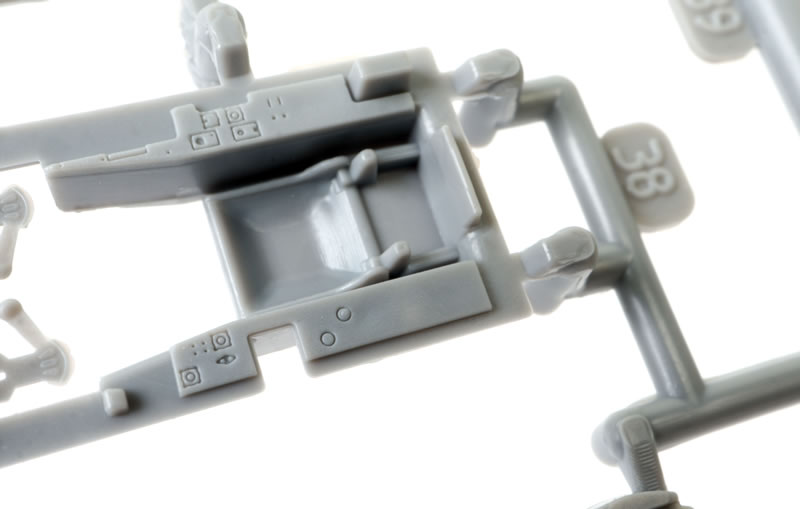
The cockpit tub is split into upper and lower halves. The rudder pedals are moulded to the upper half. These must be bent downward into position. I have previously done this on Arma Hobby kits by first brushing a thin line of Tamiya Extra Thin Liquid Cement and bending the parts after a minute or two. Don't over-bend the parts though.
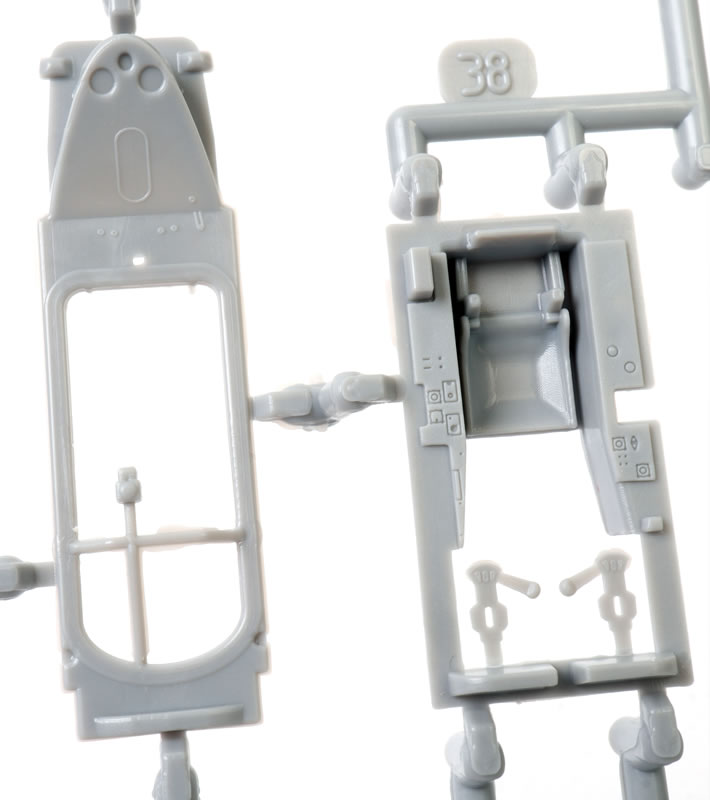
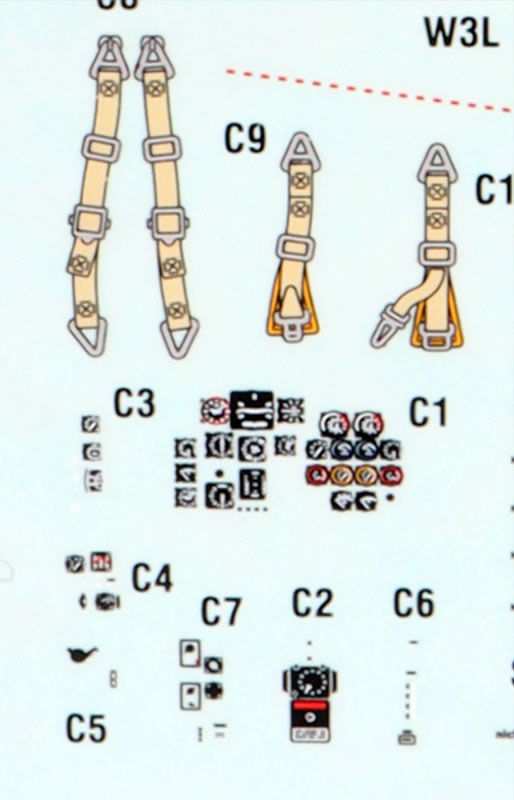
Decals are used extensively for the various cockpit surfaces. A plastic instrument panel is also supplied with raised bezels and switch box. The decal sheet supplies two sets of harness straps and instrument panels. I will probably cut the harness straps out of the decal sheet and fix them to the seat using Gator's Grip Acrylic Glue. I think decals will be very effective in the front office in this scale, but you can paint the parts if you prefer.
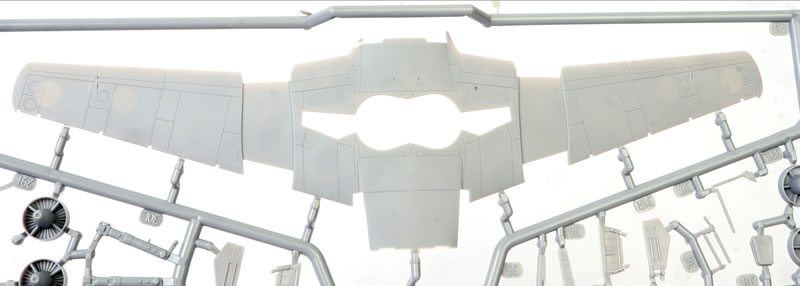
The wing parts are full span, top and bottom. They are thin at the trailing edges.
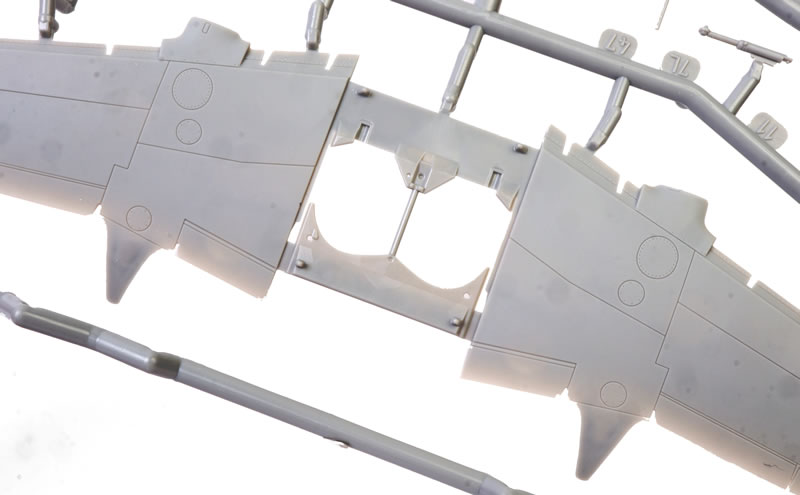
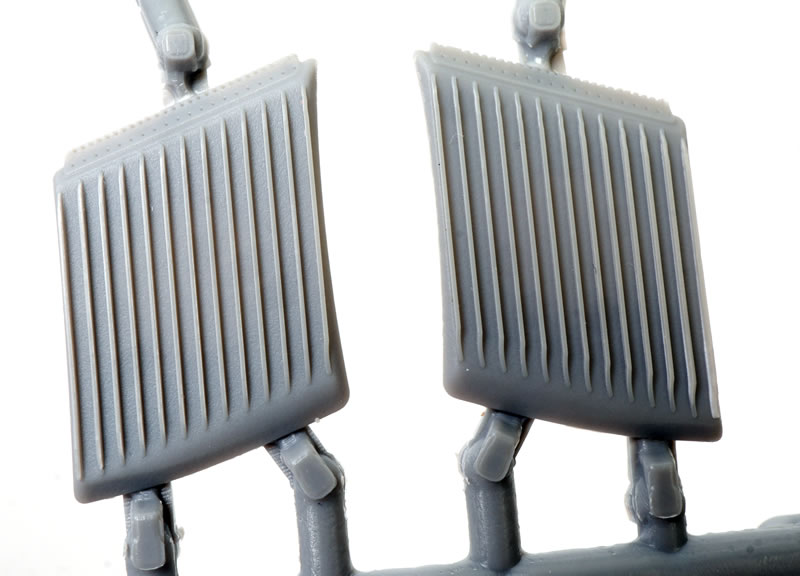
Leading edge slats are supplied as separate parts. They are designed to be built dropped, although a raised option is also offered by cutting off the slat mounts.
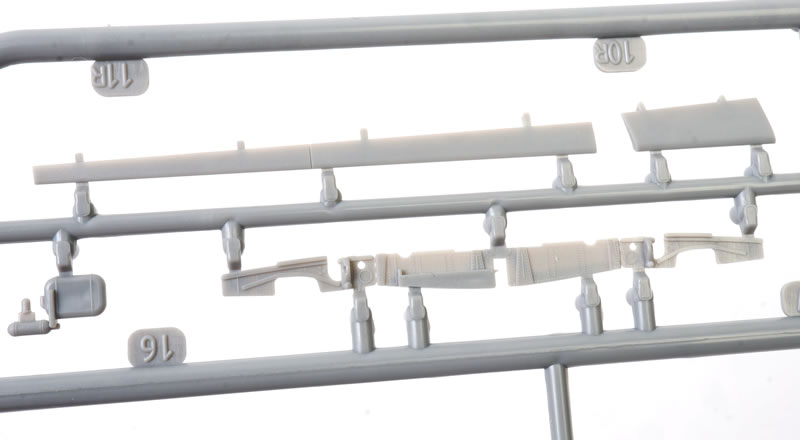
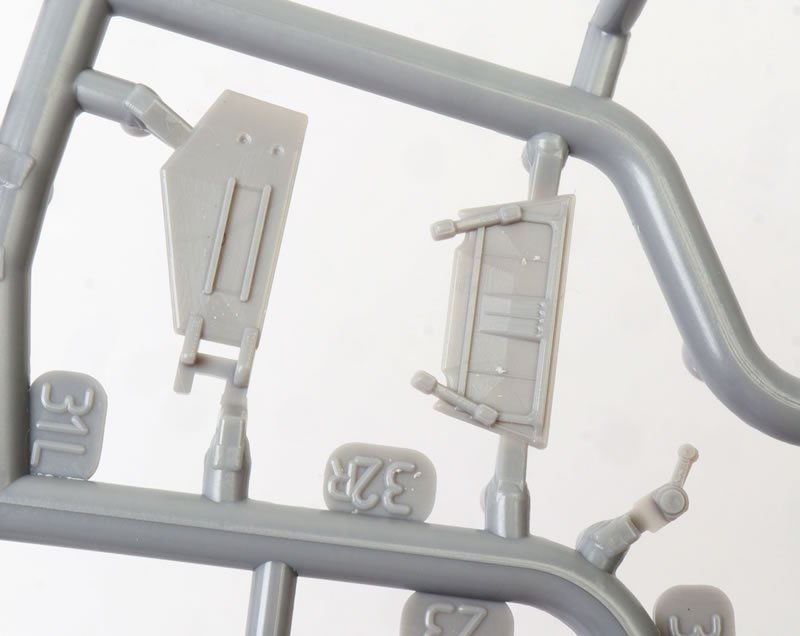
The wheel wells are really well detailed with the outside of the cockpit tub visible through the wheel well openings.
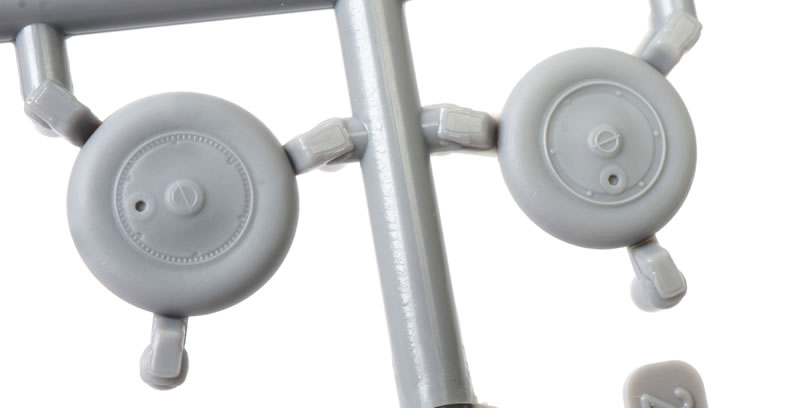
The main wheels are moulded as two pieces each. They are subtly bulged and flattened with fish-scale pattern tyre treads.

The nose wheel is moulded as a single part. Two different styles are offered but only one is applicable to the marking options.
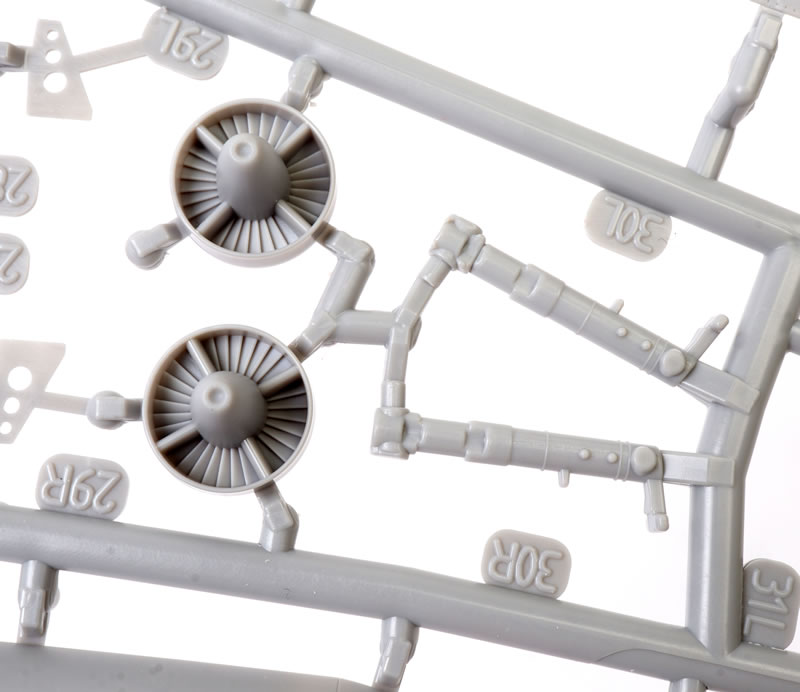
Small details such as the DF loop, retraction struts and pitot tube are incredibly finely rendered.
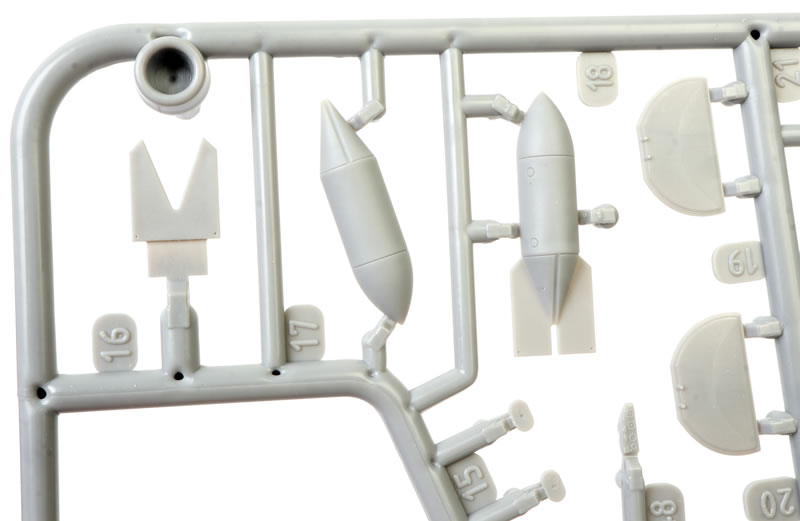
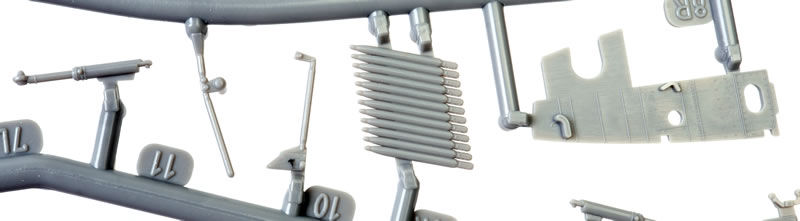
Ordnance comprises a pair of under wing R4M air-to-air missiles and two 250 kg bombs under the nose. The bombs are not mentioned in the instructions so I suspect we will be seeing a separate 1/72 scale Me 262 A-2a from Arma Hobby some time soon.
The clear sprue is thin and free from distortion.
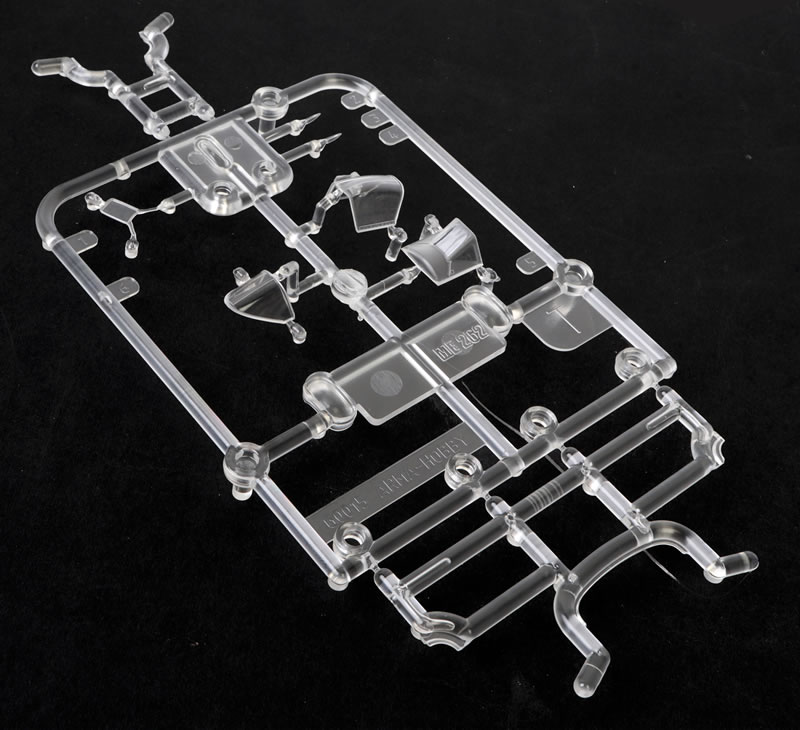
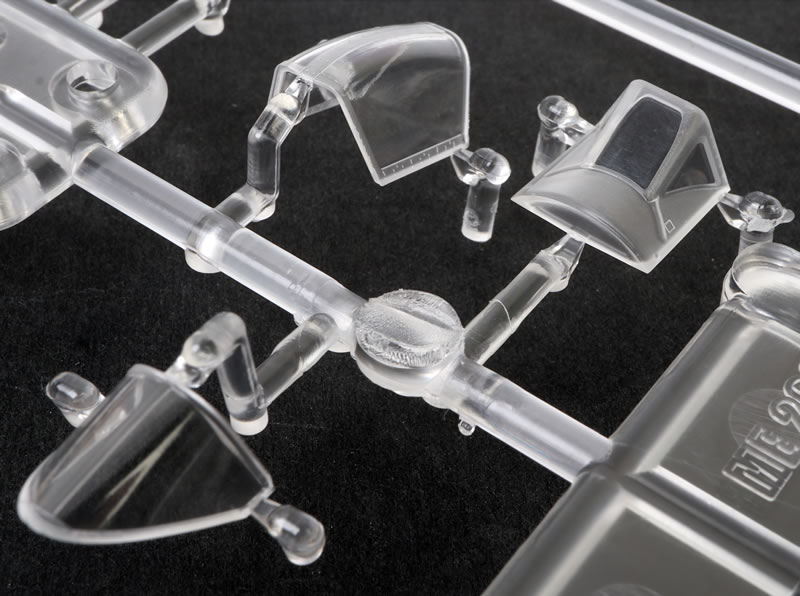
The canopy is supplied in four parts - the windscreen, internal armoured glass, centre and rear sections. Navigation and formation lights are moulded as part of the wings.
Self adhesive masks are supplied for the canopies and wheels. These are the paper Kabuki style masks. These will be welcomed by modellers who dislike cutting their own masks.
Instructions are supplied as a 12 page stapled A5-sized booklet.
The kit is packed into a end-opening cardboard box. I know it is a nit-pick but I would prefer to see future Arma Hobby releases in a lid-style of box.
Rounding out the package is a clever alignment jig.
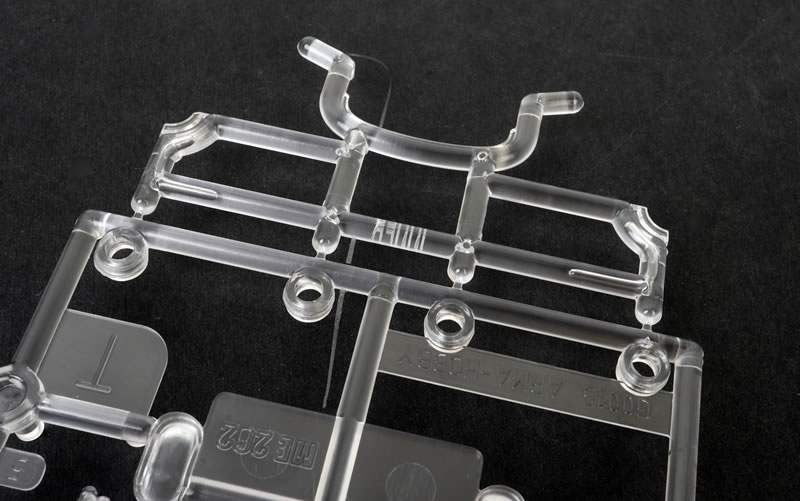
This is made up from three pieces on the clear sprue.
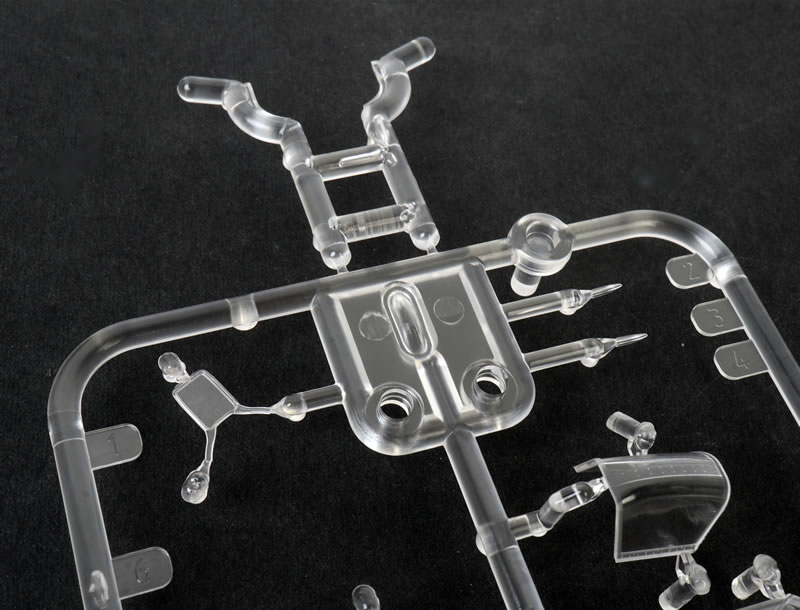
Assembly should be fast and easy, and it will guarantee alignment of the wings and the landing gear legs.
Marking Options
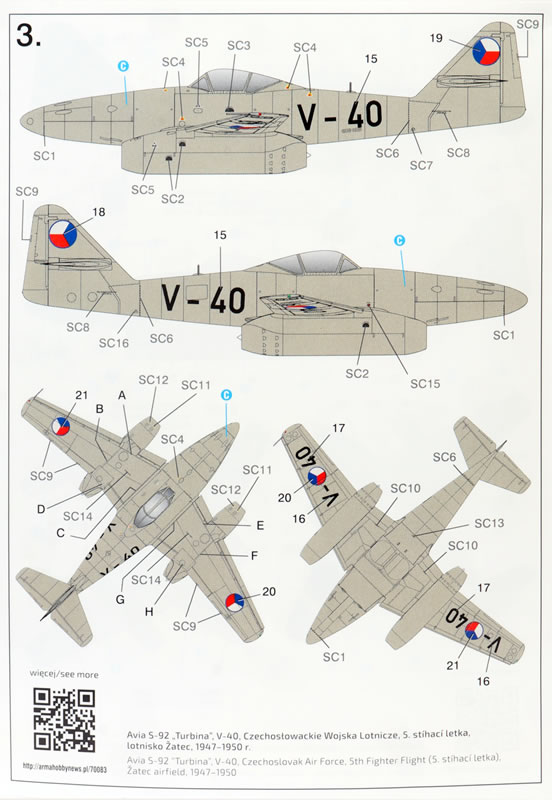
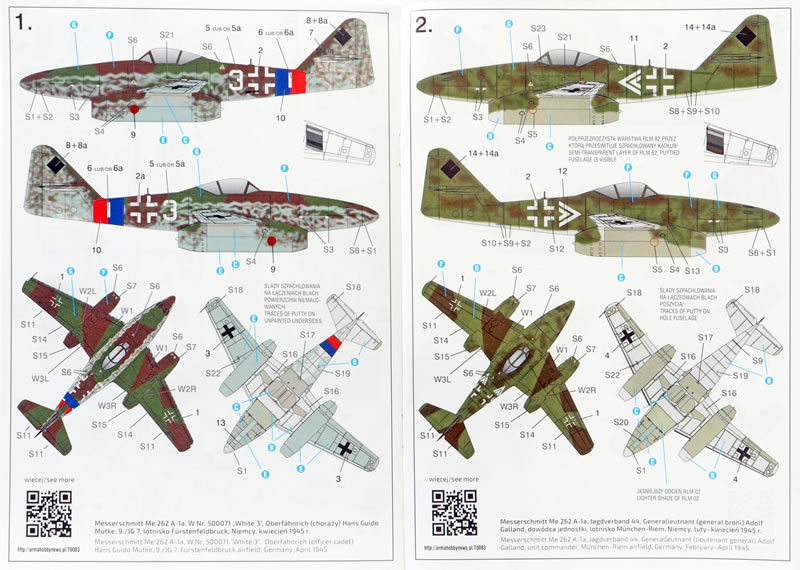
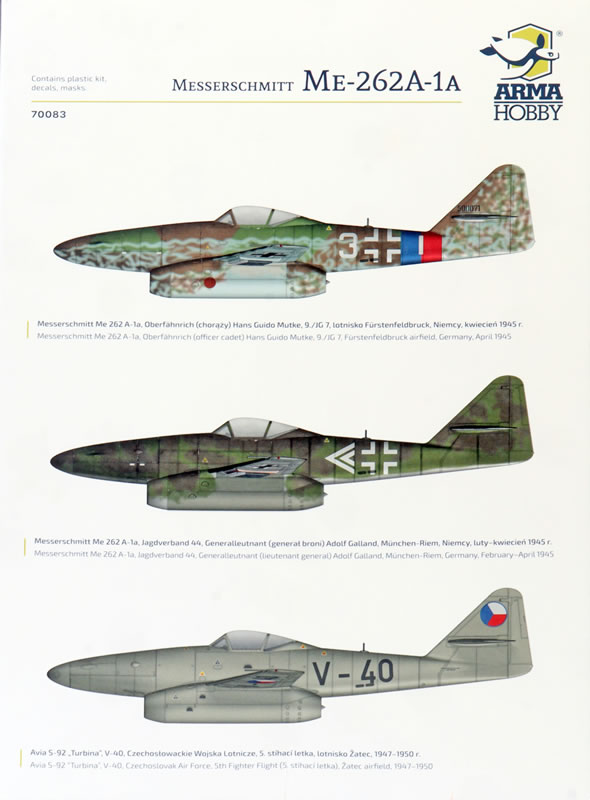
The kit decal sheet offers markings for three subjects:
-
Messerschmitt Me 262 A-1a, W.Nr. 500071 “White 3”, Oberfähnrich (officer cadet) Hans Guido Mutke, 9./JG 7, München-Riem / Fürstenfeldbruck airfields, Germany, April 1945
-
Messerschmitt Me 262 A-1a, Jagdverband 44, Generalleutnant (Lieutenant General) Adolf Galland, unit commander, München-Riem airfield, Germany, February–April 1945
-
Avia S-92 “Turbina”, V-40, Czechoslovak Air Force, 5th Fighter Flight (5. stíhací letka), Žatec airfield, 1947–1950
One set of Luftwwaffe national markings and one set of Czech markings are included.
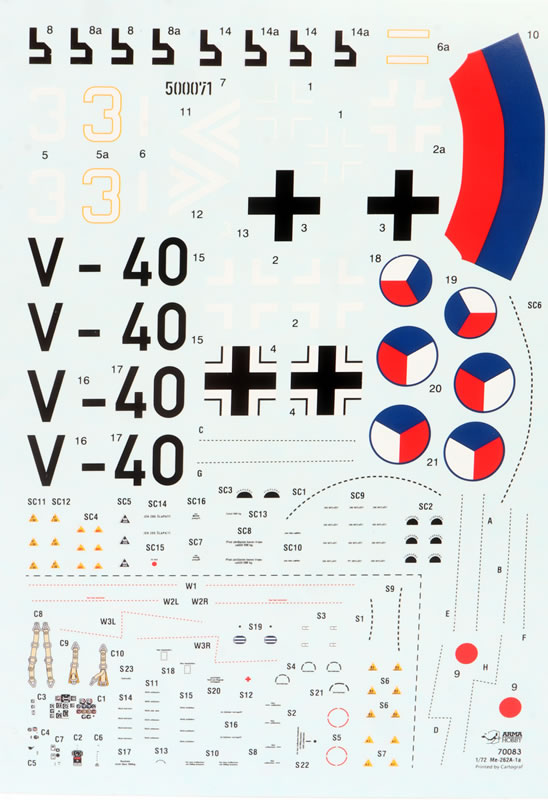
Stencil markings are printed on the same single sheet, as are propeller logos.
Colour callouts are provided for FS numbers and model paint numbers from a wide variety of companies – Hakata, AK, Lifecolor, AMMO, Humbrol, Vallejo and Tamiya.
Decals are printed by Cartograf. They are glossy, colours are well saturated and everything is in perfect register.
Arma Hobby’s Me 262 A-1a is another confident step forward in the company’s growing 1/72 scale catalogue. It combines thoughtful engineering with refined surface detail and a level of finesse that would have seemed ambitious in this scale not so long ago.
Arma has struck a sweet spot with their crisp moulding, high level of detail, clever parts breakdown and fit potential, all supported by practical inclusions such as masks, nose weight and the handy undercarriage alignment jig. The decision to include decals for cockpit detail is a sensible and effective solution in this small scale that should deliver convincing results with minimal effort.
The separate slats, comprehensive wheel well detail and subtly weighted tyres further enhance the overall impression, while the masks remove much of the usual pain associated with canopies. Even small touches such as the provision of alternative nose wheels and optional stores suggest that Arma is thinking ahead in terms of variants.
In the end, this is a thoroughly modern kit of a historically significant aircraft delivered with intelligence and restraint. It should build quickly, align accurately and look great straight from the box, while still offering plenty of scope for additional detail if desired.
Highly Recommended.
Thanks to Arma Hobby for the sample
Review Text and Images Copyright © 2026 by Brett Green
Page Created 18 March, 2026
Last updated
27 March, 2026
Back to HyperScale Main Page
Back to Reviews Page |
 Home
| What's New |
Features |
Gallery |
Reviews |
Reference |
Forum |
Search
Home
| What's New |
Features |
Gallery |
Reviews |
Reference |
Forum |
Search