Martin 166 in Dutch Service
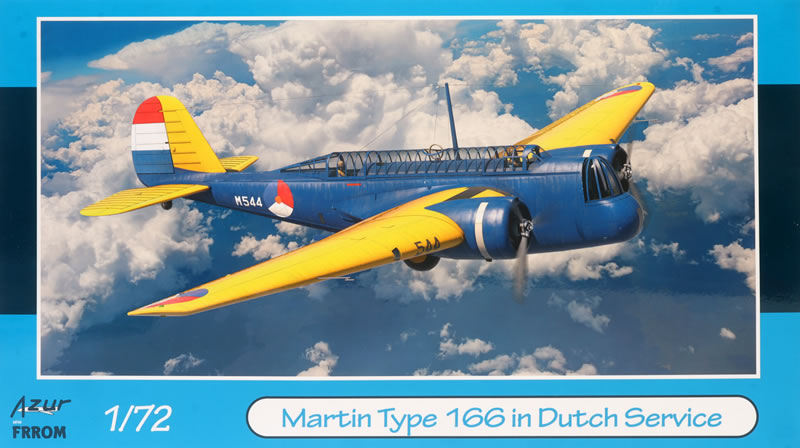
Azur FRROM, 1/72 scale
S u m m a r y : |
Catalogue Number: |
Azur FRROM Kit No. FR0060 - Martin 166 in Dutch Service |
Scale: |
1/72 |
Contents & Media |
100 parts in medium grey plastic (less 30 parts marked not for use); 12 parts in clear plastic; decals for three marking options |
Price: |
£36.99 EU Price (£30.82 Export Price) plus shipping available online from Hannants |
Review Type: |
First Look. |
Advantages: |
High quality mouldings; good detail; nice surface textures; interesting schemes. |
Disadvantages: |
Limited run nature will require a bit more attention. |
Conclusions: |
This is a highly detailed kit of a groundbreaking bomber that saw service with a range of countries. The limited-run nature of the kit means that it will be best suited to experienced modellers, but with time and care you will have an impressive and attractive result. |
Reviewed by
Brett Green

The Martin 166 was one of the most advanced bomber aircraft to enter service in the mid-1930s, representing a significant leap forward in military aviation. Derived from the American Martin B-10, the Model 166 was built specifically for export and found its most notable operator in the Netherlands East Indies.
At a time when many air forces still relied on biplanes, the all-metal, low-wing monoplane design of the Martin 166—with its retractable undercarriage and enclosed cockpits—was nothing short of revolutionary. The Dutch ordered 139 aircraft to equip the Royal Netherlands East Indies Army Air Force (ML-KNIL), where they formed the backbone of the bomber force on the eve of war in the Pacific.
In Dutch service, the Martin 166 was employed primarily in the reconnaissance and light bombing roles across the vast expanses of the archipelago. Crews appreciated the aircraft’s modern layout and relatively good performance for its day, although by the early 1940s it was already showing its age. When war came to the region following the outbreak of hostilities in the Pacific, the Martin 166 was pressed into desperate service against advancing Japanese forces.
During the Dutch East Indies campaign, these bombers flew hazardous missions against enemy shipping and troop concentrations. However, lacking adequate fighter escort and facing modern Japanese aircraft, losses were heavy. Despite this, Dutch crews displayed considerable courage, continuing operations under increasingly dire conditions
By early 1942, most surviving aircraft had been destroyed on the ground or lost in combat as Japanese forces overran the islands. Though ultimately outclassed, the Martin 166 had provided the ML-KNIL with a capable and modern striking force in the years leading up to the war, and its crews fought with determination in the face of overwhelming odds.
Azur FRROM has added two new releases to their 1/72 scale limited-run injection moulded plastic B-10 family
Today we will examine the Martin 166 in Dutch Service.
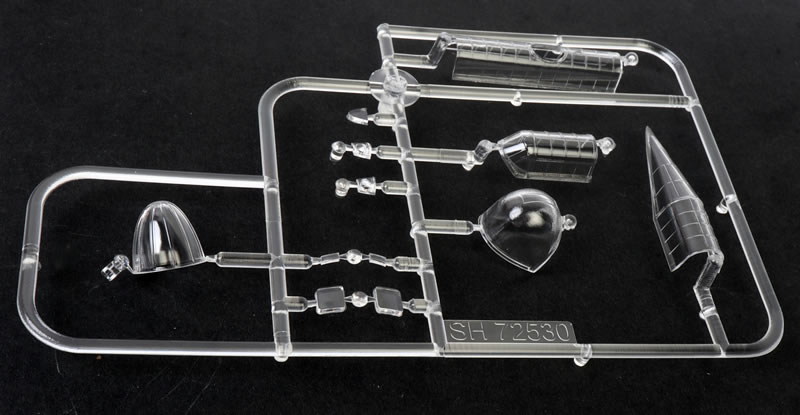
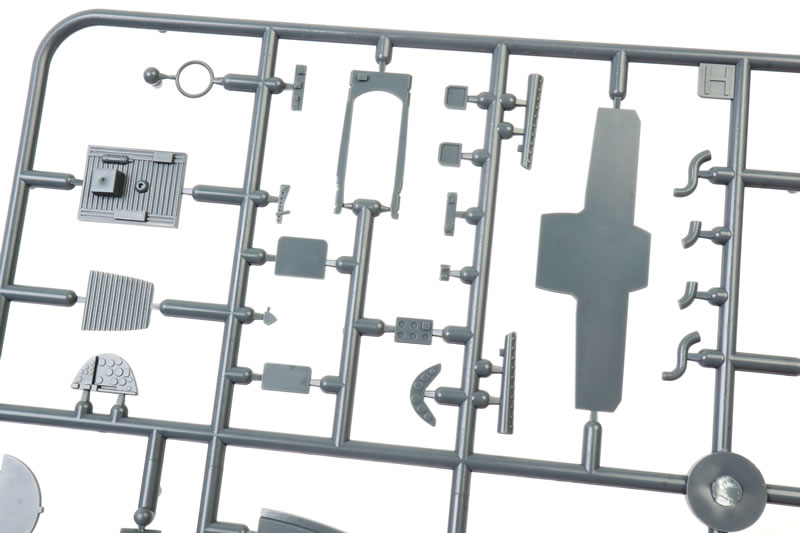
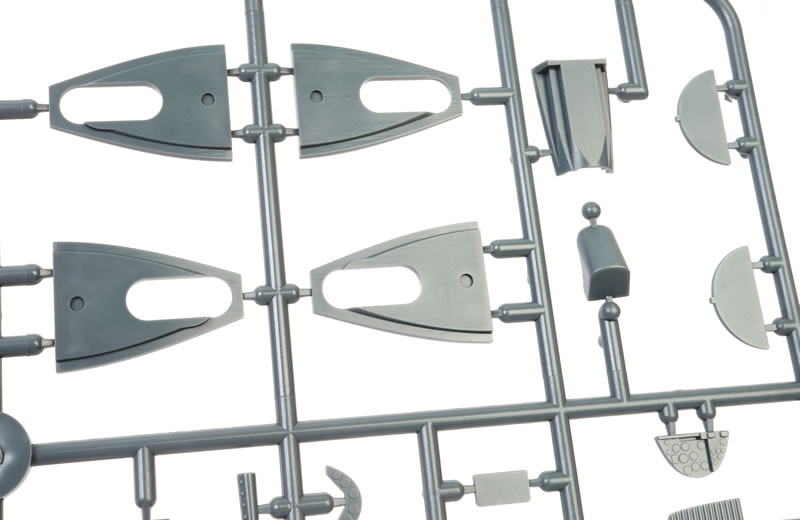
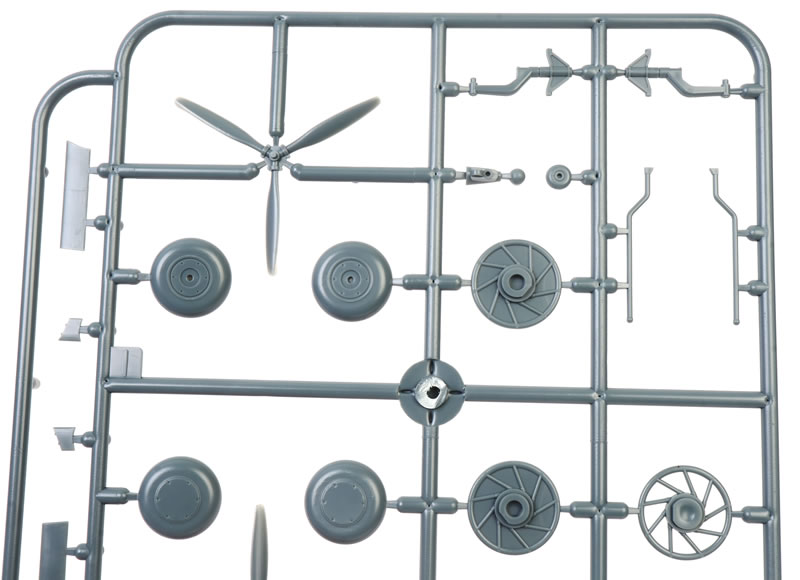
The kit comprises 100 parts in darkish grey plastic (less 30 parts marked not for use); 12 parts in clear plastic and markings for three Dutch options. Some earlier releases included a photo-etched fret but this one does not.
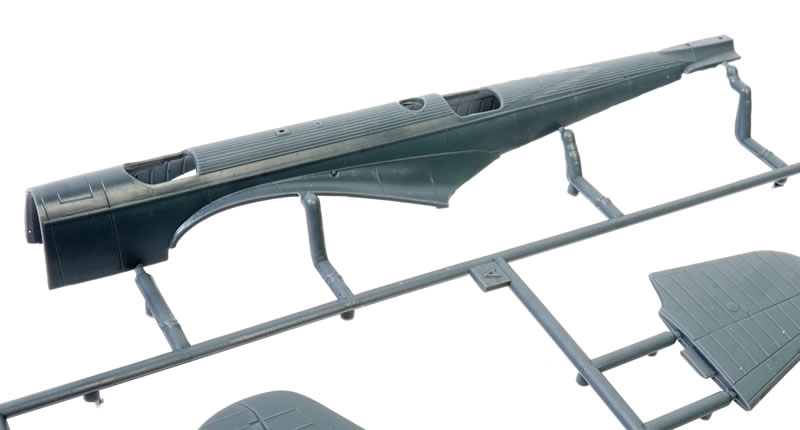
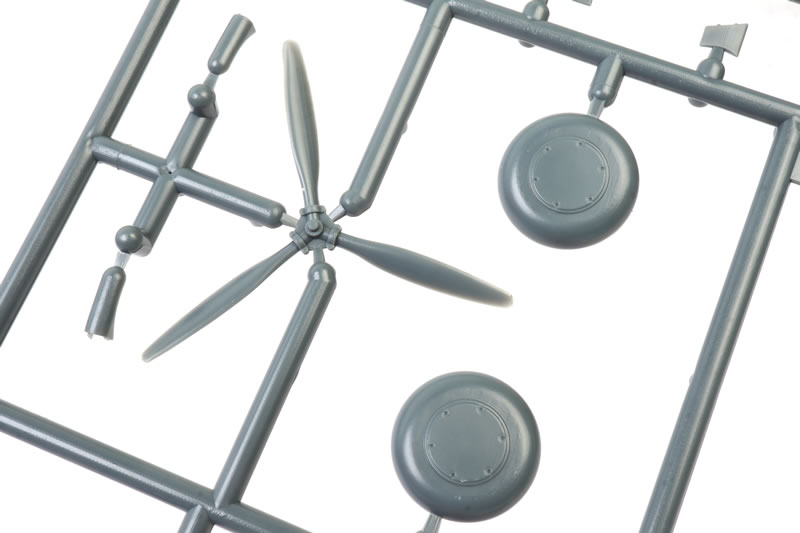
Moulding quality looks very good, with narrow sprue attachments and minimal flash.
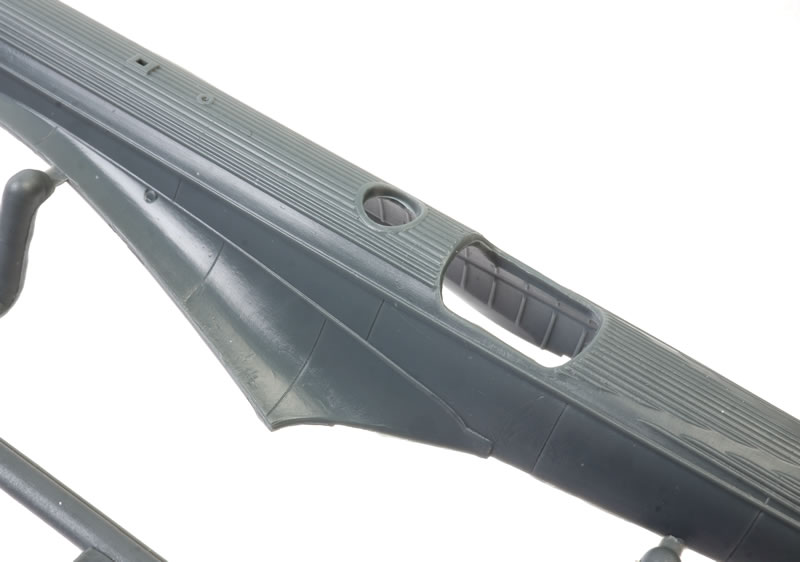
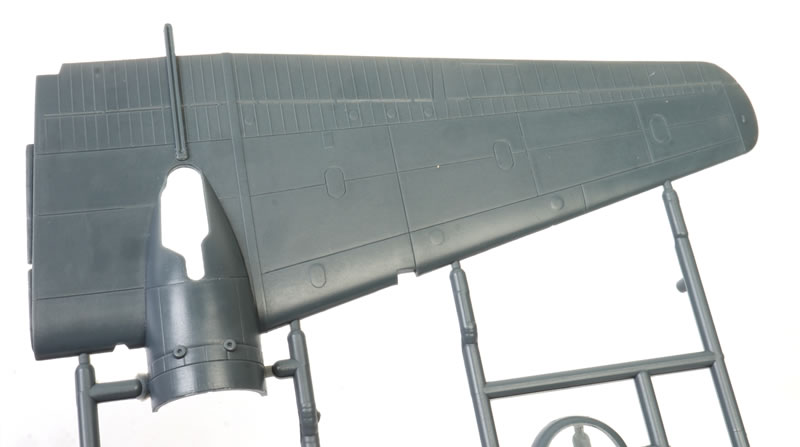
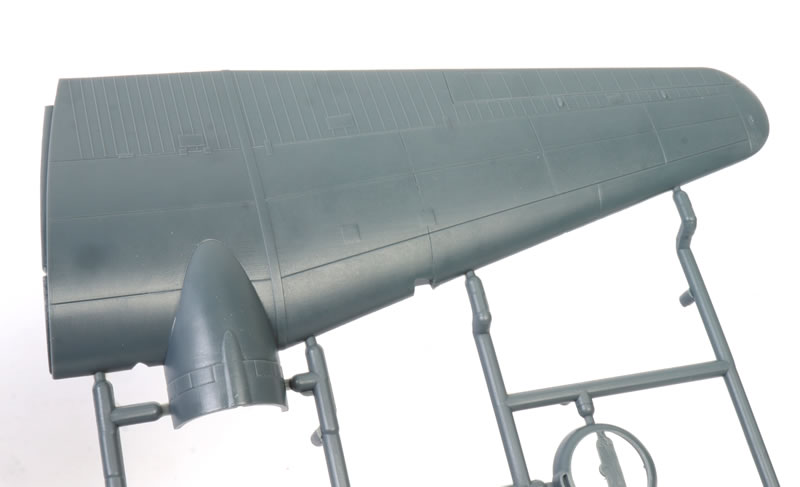
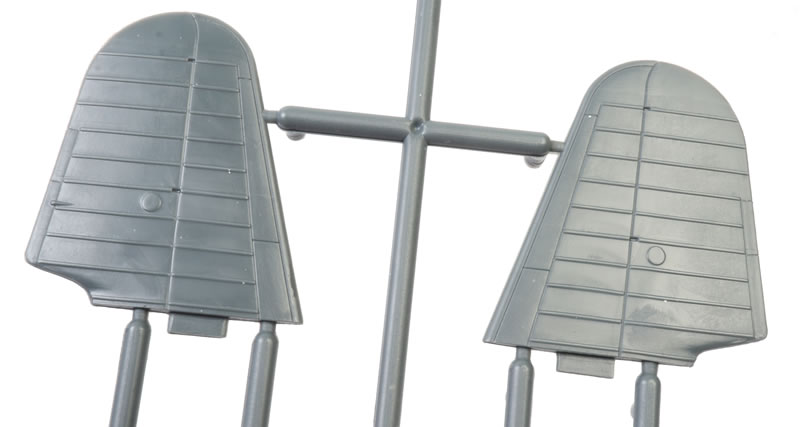
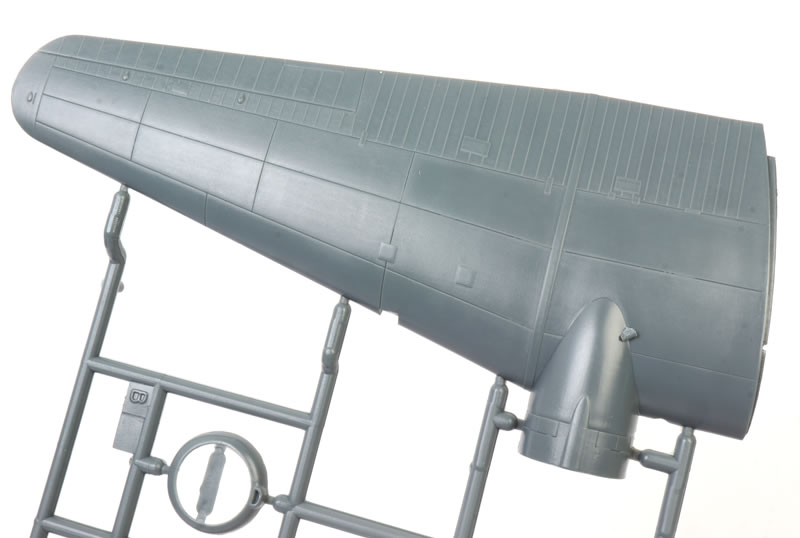
I particularly like the corrugated effect on the top and bottom of the fuselage, and the raised ribs on the flying surfaces. It is interesting that the fuselage halves are split into upper and lower halves. This thoughtful piece of planning means that you won't have to worry about restoring those nice corrugations along upper and lower joins.
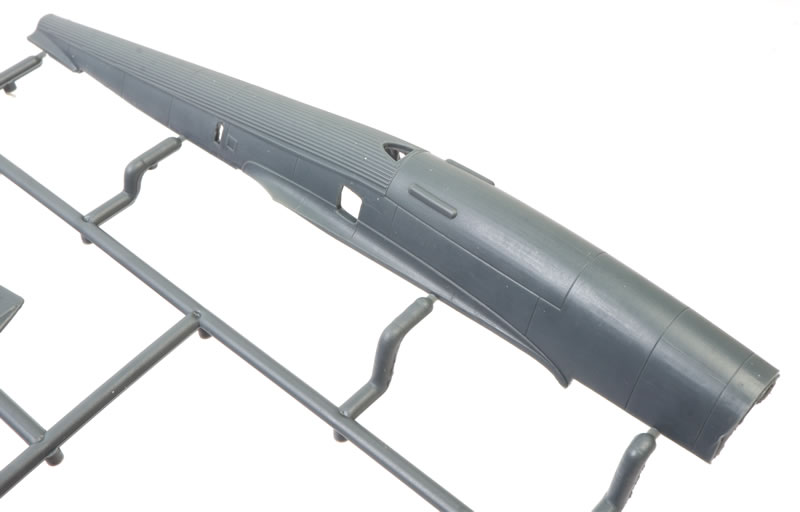
Being a limited run kit, we are not given the luxury of locating pins for the fuselage and smaller parts so some extra time and attention will be required for parts preparation, planning, alignment of parts (especially all those struts) and assembly.
Surface textures are really well done.
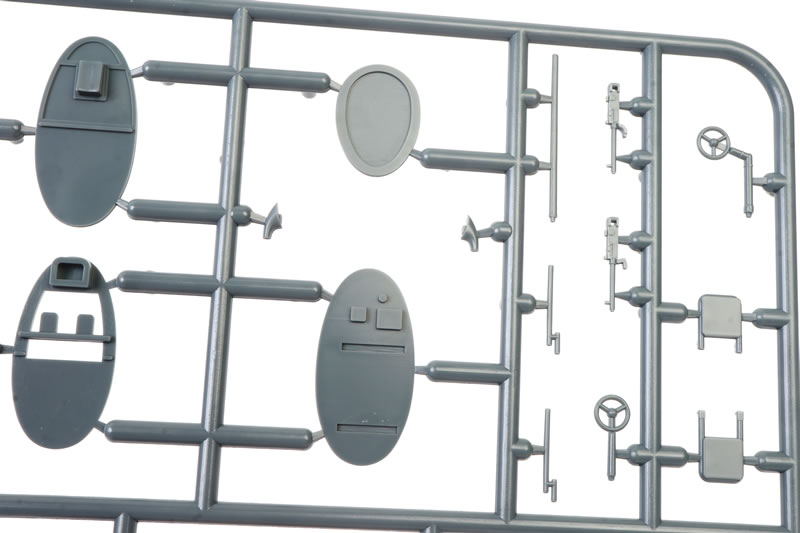
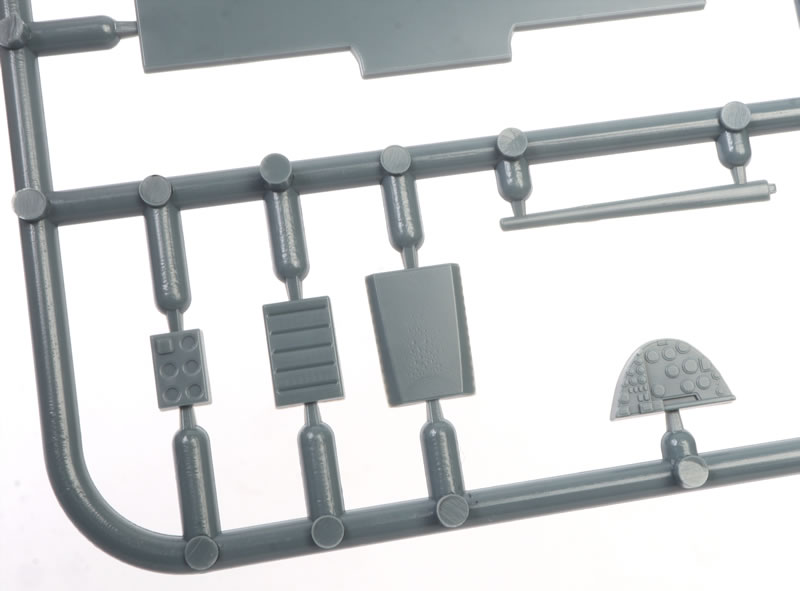
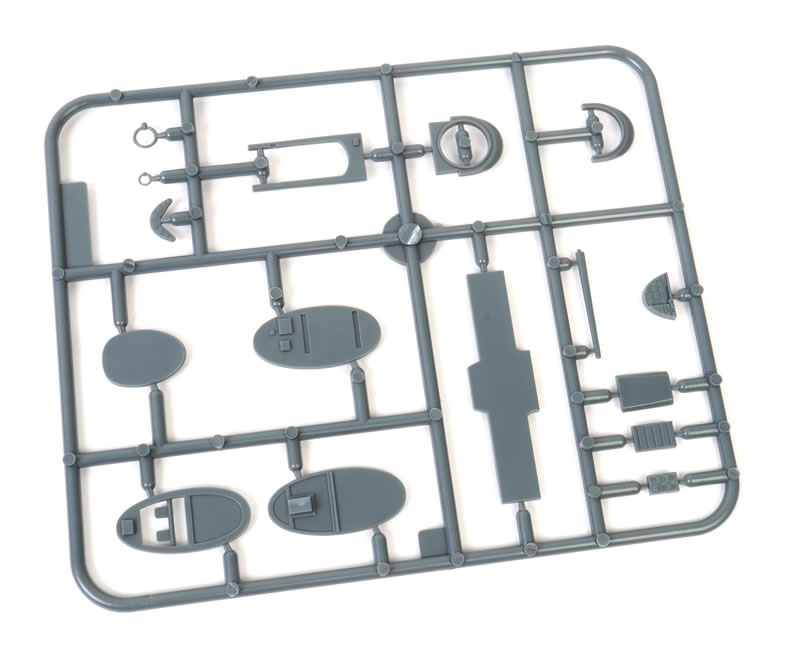
Cockpit and rear gunner's compartment detail is good with framework moulded onto the inside of the fuselage halves and harness straps supplied on the photo-etched fret. The instrument panels are plastic parts with decal dials. It is interesting that the gunner's position in the rear fuseage includes flying controls.
The engines are supplied as one piece each, including crankcase, with a plastic mount at the rear.
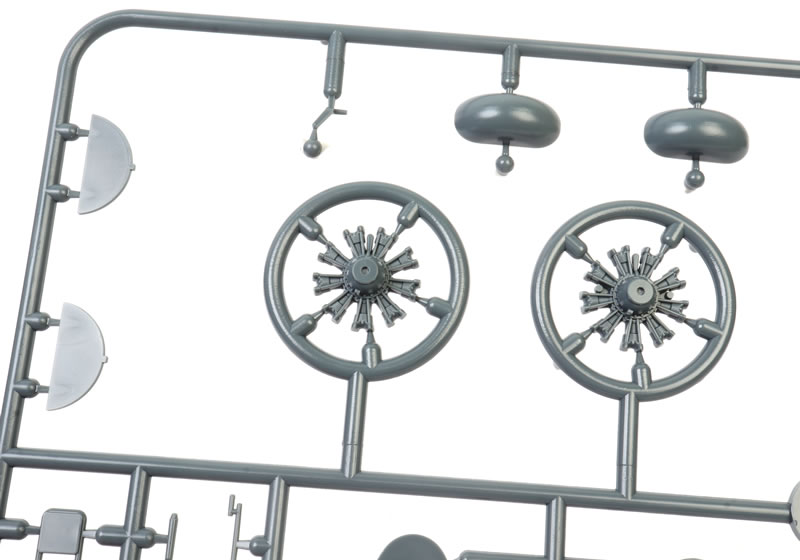
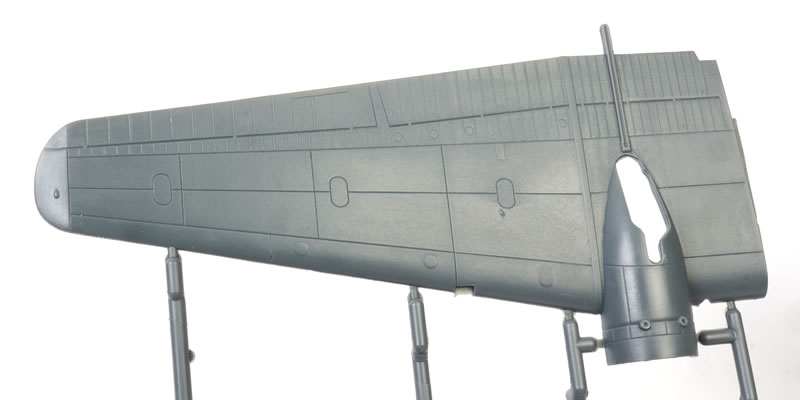
The wings are supplied conventionally, left and right upper and lower halves. Nice positive vertical spars are provided for the big wings.
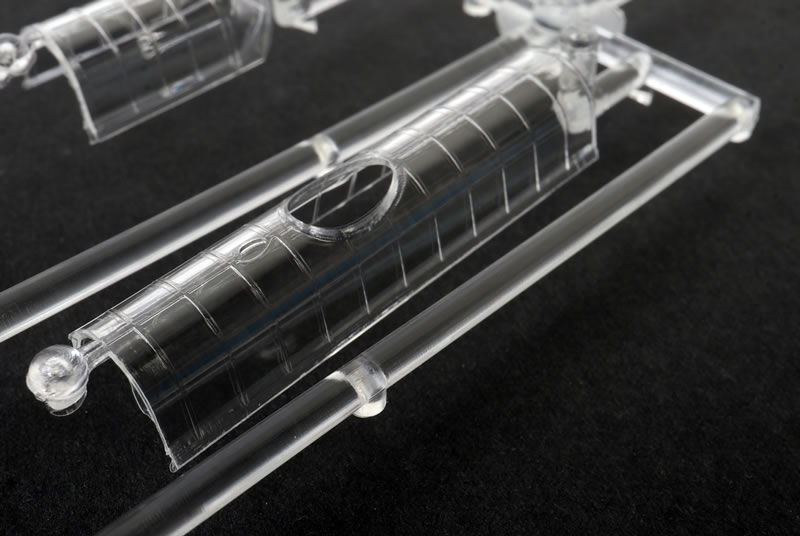
The clear sprue is well moulded.
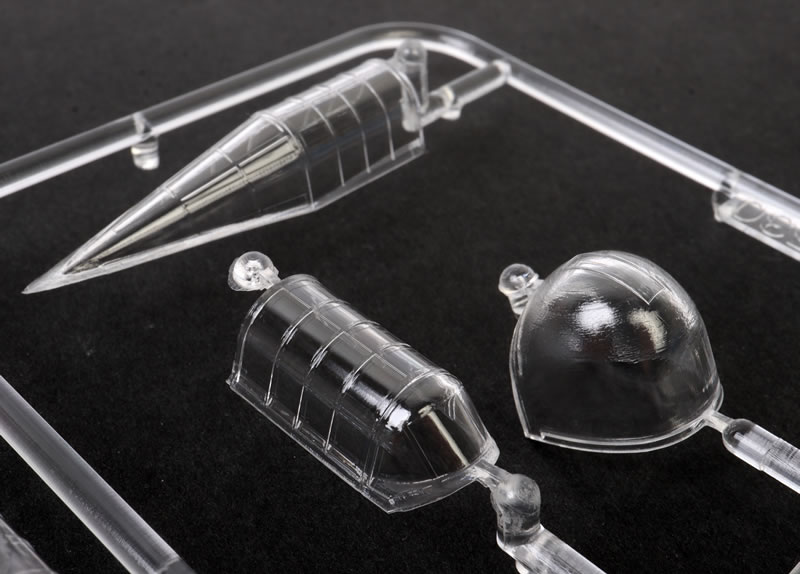
I note that Special Hobby already has a masking set for the glasshouse canopy available. I would highly recommend this as a time-saving essential.
Colours & Markings
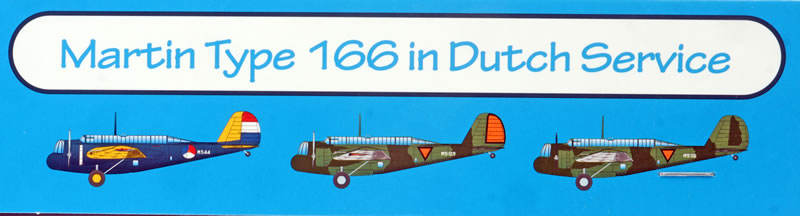
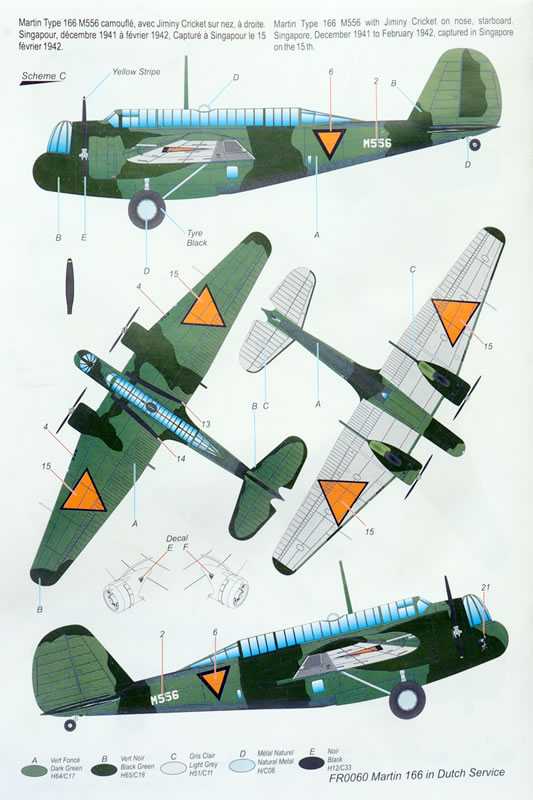
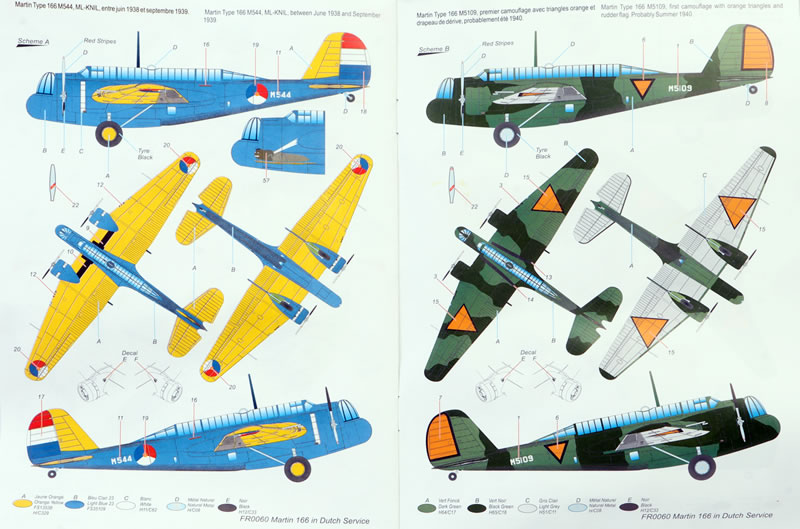
Markings are supplied for three subjects:
-
Martin Type 166 M597, ML-KNIL, July 1940 to December 1941 (the upper orange triangles were suppressed in June 1940)
-
Martin Type 166 M585 with rectangular flags in use from February 1942, only Martin to escape to Australia, on the 8 th of March.
-
Martin Type 166, coded White 12, Don Muang (Bangkok), Thailand, until October 1945 (ML-KNIL aircraft, captured by Japaneses and sold to Thailand). Was repainted, one may see the shadow of the Japanese roundels, and leading edge are painted in yellow.
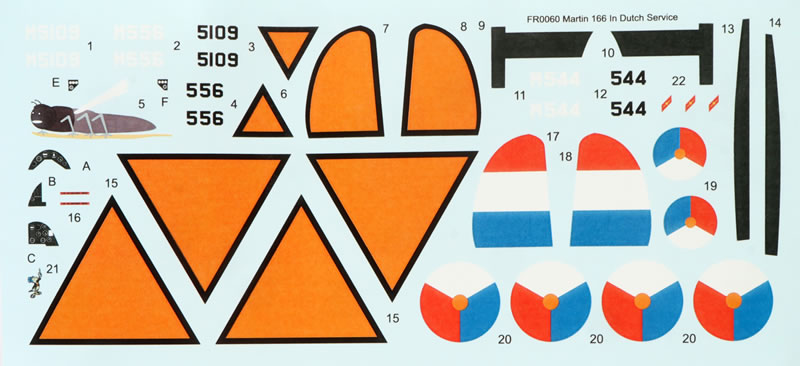
Wing walks, instrument panels, prop logos and propeller tip markings are supplied on the sheet.
The decals are well printed, glossy and in register.
This is a highly detailed kit of a groundbreaking bomber that saw service with a range of countries.
The limited-run nature of the kit means that it will be best suited to experienced modellers, but with time and care you will have an impressive and attractive result.
Thanks to Azur FRROM for the review sample.
Review Text & Images Copyright © 2026 by Brett Green
Page Created 23 April, 2026
Last updated
23 April, 2026
Back to HyperScale Main Page

|
 Home
| What's New | Features | Gallery | Reviews | Reference | Resource Guides | Forum |
Home
| What's New | Features | Gallery | Reviews | Reference | Resource Guides | Forum |